How to choose a fully automatic toilet paper machine manufacturer?
If you don't choose the right fully automatic toilet paper making machine manufacturer, your production line will either run easily or become a costly headache. Everything will be affected by the choice, from how well operations run and how consistent the products are to long-term profits and the company's ability to compete in the market. A trustworthy manufacturer not only sells tools but also offers full expert support, customization options, and service after the sale to keep your business running smoothly. When looking at possible partners, you should look at their track record, license requirements, automation skills, and ability to provide full turnkey solutions instead of just tools.This article also helps buyers understand how to select the right toilet paper production machine based on capacity and investment level.
Understanding the Importance of Choosing the Right Manufacturer
There's a lot more to choosing the right manufacturer than just looking at price tags and technical specs. Throughout the full lifetime of your tools, the choice you make has a direct impact on the reliability of the supply chain, the stability of your production output, and how you control costs. Working with a manufacturer with a lot of experience and knowledge of the tissue converting business can give you access to tried-and-true production methods, ongoing technology improvements, and quick problem-solving skills.
The Real Cost of Poor Manufacturer Selection
Many new businesses and manufacturers that want to grow have learned the hard way how expensive it can be to choose the wrong supplier. When companies don't choose the right manufacturers, machines break down often, the quality of the products isn't always uniform, and there is a lot of downtime that affects delivery plans. These practical problems hurt ties with customers and cut into profits faster than any money saved on equipment costs up front. Not having enough technical help or extra parts on hand can stop your production line for weeks while you try to find a solution. This can cause you to lose instant production.
Navigating the Global Supplier Landscape
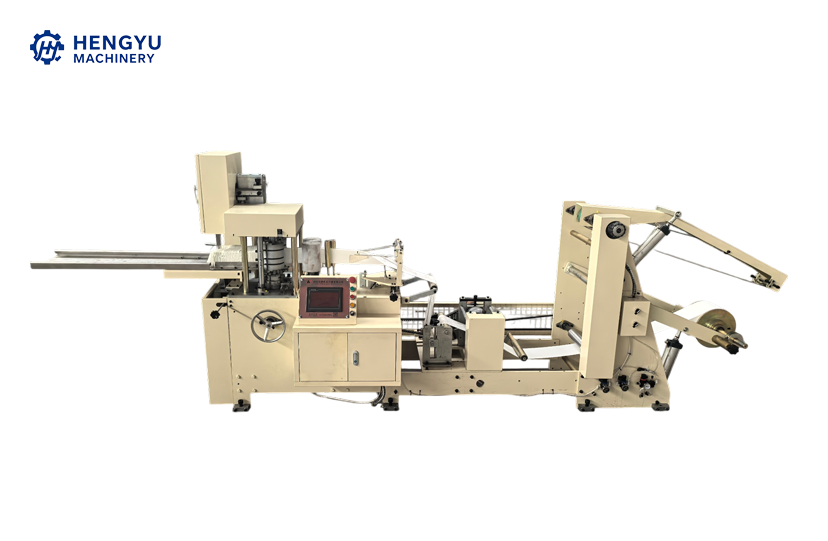
There are different types of suppliers in the tissue machinery market. These include original equipment manufacturers (OEMs) who create and build equipment, branded manufacturers with good names, contract manufacturers who make equipment under different labels, and trading companies that work as middlemen. By knowing these differences, you can choose the type of relationship that best fits your business needs and risk tolerance. OEMs usually offer more customization options and direct technical help, while well-known names offer reliability that has been proven and a lot of reference projects. Machine selection and manufacturer capability together determine production efficiency and ROI performance.
Key Criteria to Evaluate Fully Automatic Toilet Paper Machine Manufacturers
When looking at possible manufacturing partners, you need a structured review system that looks at many aspects of their skills and dependability. This methodical approach keeps you from making mistakes that cost a lot of money and makes sure that your investment gives you the returns you expect.
Production Capacity and Technical Capabilities
The output potential of a manufacturer of a fully automatic toilet paper making machine shows how well they can meet your deadlines and grow with your business. Look for factories that use cutting-edge manufacturing technologies, have quality control systems, and can test machines to make sure they work properly before sending them out. With more than 20 years of experience in tissue paper machinery, companies like Henan Hengyu Machinery show that they have the deep technical knowledge needed to build high-speed production systems that work well. Their knowledge includes integrating the whole production line, making sure that all of the parts work together without any problems.
Certification Standards and Quality Assurance
International approvals, like CE and ISO standards, are concrete ways to tell if a product is safe and of good quality. These licenses need to be audited on a regular basis and have quality improvement methods in place all the time to protect your investment. Manufacturers who follow these standards usually use strict quality control procedures all the way through the production process. This makes it less likely that equipment will break down or safety events will happen. When reviewing suppliers, make sure you get copies of their certifications and quality testing methods to back up what they say.
Customization Capabilities and After-Sales Service
Because of room limitations, product specs, or local market tastes, your production needs may be different from standard setups. Strong ODM and OEM manufacturers can change machine configurations, working interfaces to your chosen language, and product sizes to meet the needs of your target market. The level of after-sales service decides whether small problems turn into big ones that stop production. Check to see if the manufacturer offers installation help, training for operators, online technical support, and assured spare parts available for the life of the equipment.
The best factory partners see service after the sale as the start of a long-term relationship, not the end of a deal. They have expert support teams that know their equipment inside and out and can quickly figure out what's wrong by doing diagnostics remotely or by visiting the spot if needed.
Comparing Fully Automatic Toilet Paper Machines: Features and Performance Insights
Knowing the technical features that set high-performance machines apart from basic models can help you make smart investment choices that will help you reach your production goals.
Automation Level and Production Speed
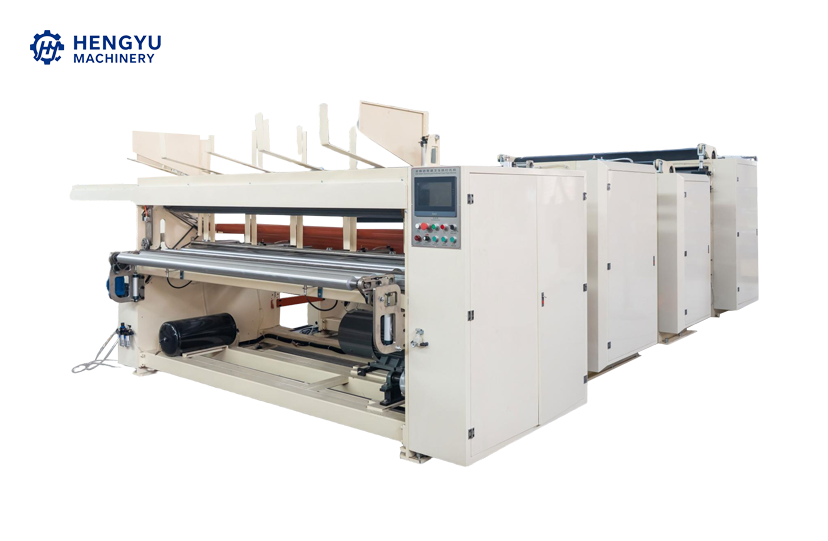
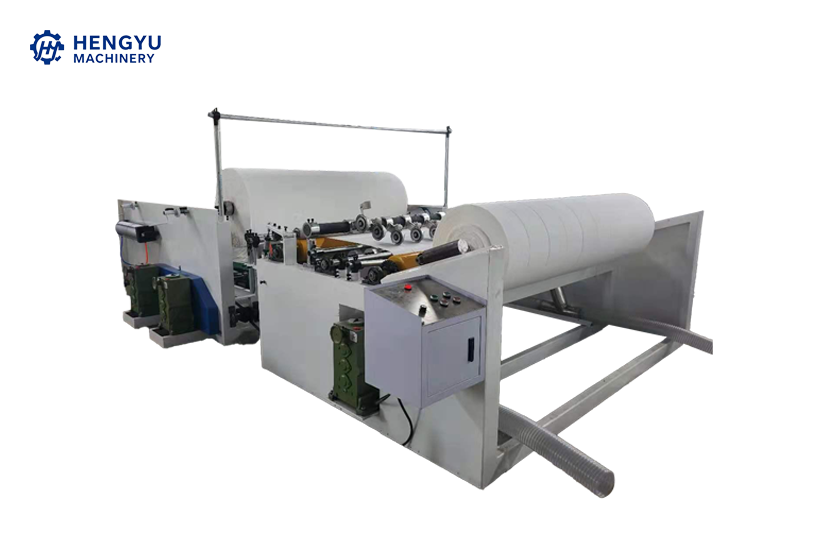
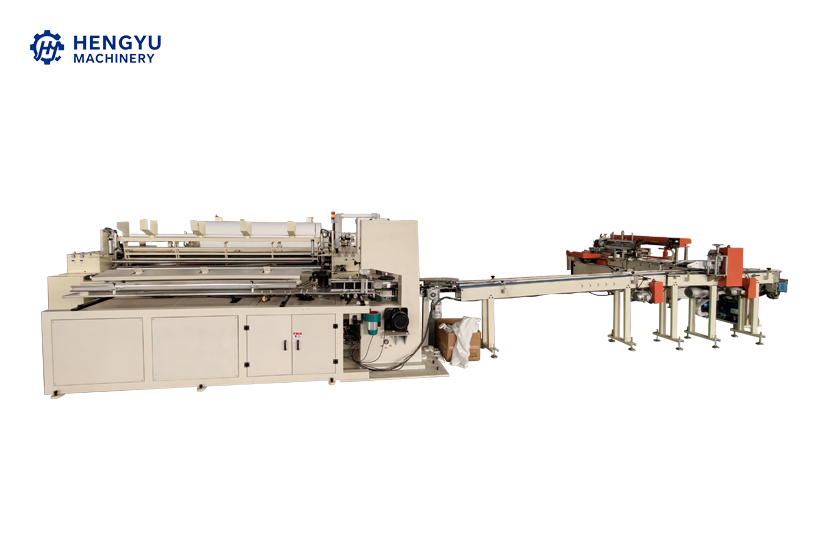
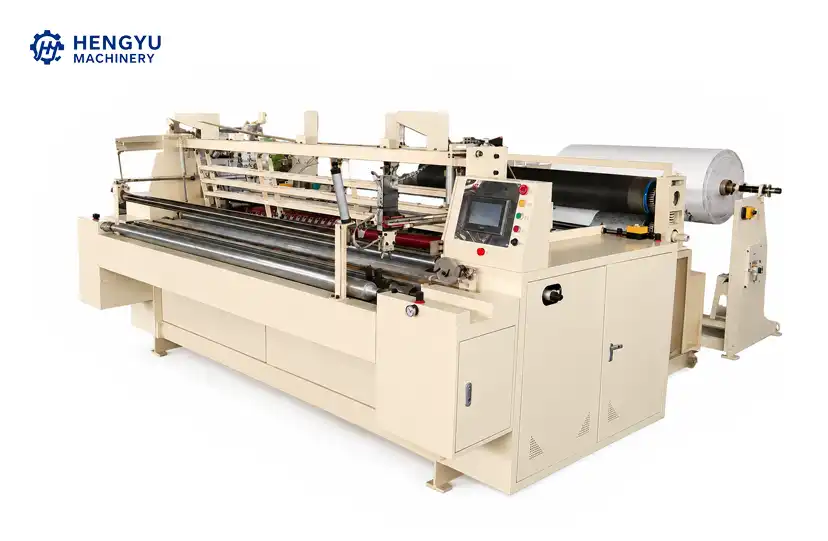
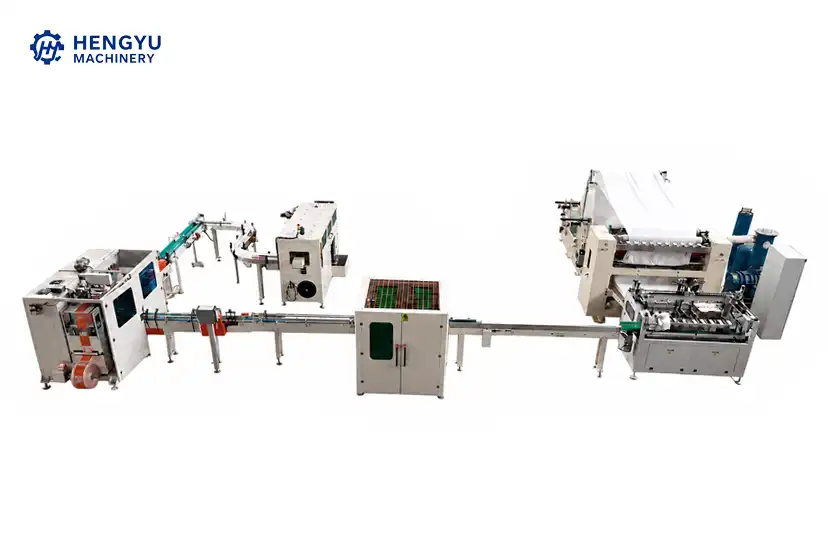
A fully automatic toilet paper making machine combines several production steps into one integrated system so that no manual intervention is required between processes. Modern systems, like the 3500mm rewinding machine, have automatic core feeding, perforation systems, glue spraying mechanisms, and links to cutting tools that work at the same time. With these built-in features, there are no more human handling bottlenecks that slow down production and cause quality to vary. Production speed rates are useful guides. More advanced systems can reach intended speeds of up to 280 meters per minute while keeping tension under control and producing high-quality goods.
Core and Coreless Production Flexibility
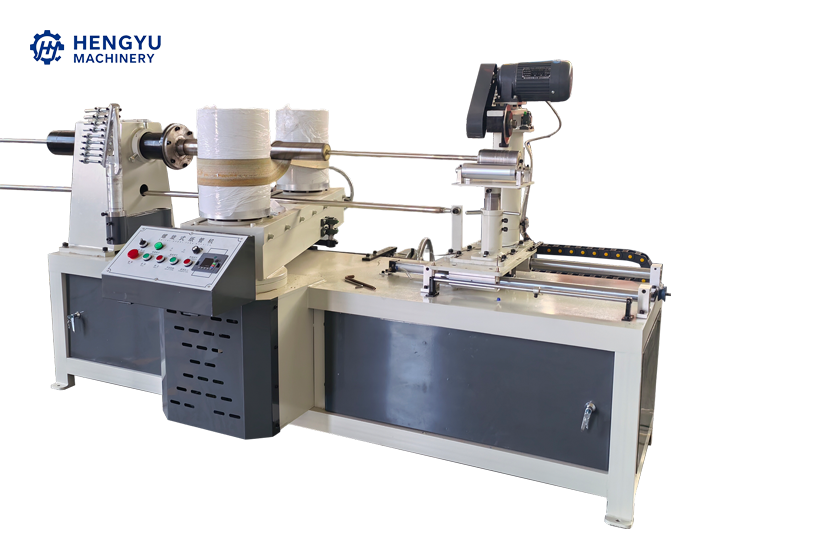
Market demand is very different depending on where you are and what kind of customer you are. For example, some markets like traditional toilet rolls with cores, while others like coreless goods because they are better for the environment. When a fully automatic toilet paper making machine supports both core and coreless production, it provides more market flexibility without requiring two separate production lines. The 30 mm thick wall-panel mainframe construction gives the machine the stability it needs to keep working precisely at high speeds, and the touch screen controls make it easy for operators to quickly change the rewinding length, speed, and diameter parameters when moving between product specs.
Cutting Precision and Packaging Integration
The automatic band saw cutting machine is a key part that affects the quality of the finished product and how efficiently the production process works. Cutting systems that can make 80 to 200 cuts per minute and precisely control the length get rid of the need for hand cutting, which slows down production and leads to uneven results.
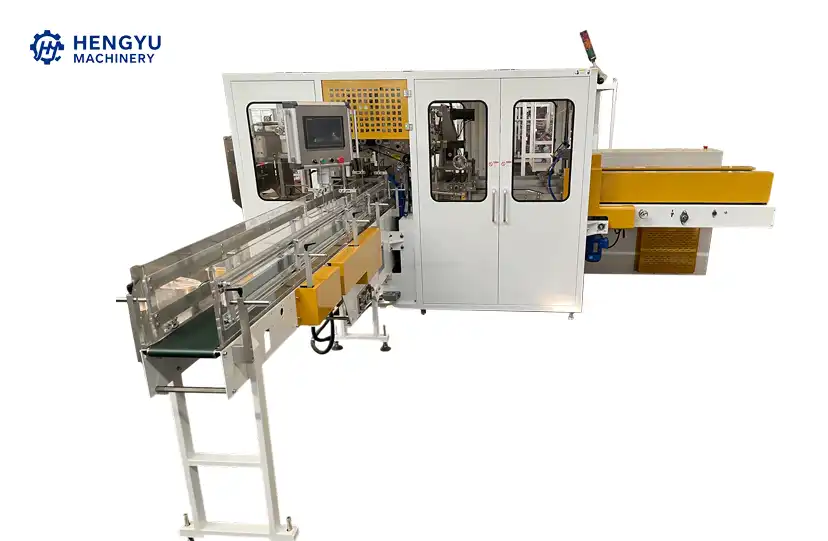
When cutting machines and packing machines work together smoothly, the whole production process keeps going. The last link in the automation chain is single roll packing machines that can handle up to 100 packages per minute. These machines give finished goods that are ready to be shipped without any extra work.
With these built-in features, a lot of problems can be solved at once. They cut down on labor costs and material waste from uneven cutting, keep standards for product look, and speed up the process of going from raw jumbo rolls to packaged finished goods.
Energy Efficiency and Total Cost of Ownership
When buying tools, the initial costs are what people focus on the most. However, how much energy it uses and how often it needs to be maintained are what determines its long-term profits. Over thousands of working hours, machines that are built with drive systems that use less energy and hydraulic parts that work better use less money. The fact that cutting equipment needs 7.5 kW of power and packing systems only need 6 kW shows that the electricity design is efficient, which keeps costs down. How easy it is to do maintenance and fix problems has a direct effect on your real production uptime compared to your ideal capacity.
How to Match Manufacturer Solutions to Your Business Needs
For different types of businesses and production levels, you need different kinds of tools and relationships with manufacturers. By matching your specific needs with the right solutions, you can avoid wasting money on features that aren't needed or not investing enough, which limits your growth potential.
Startup Operations Requiring Turnkey Solutions
When new factory owners get into the tissue paper business, they do best when the manufacturers offer full turnkey solutions instead of just selling machines. A complete strategy includes designing the production line, installing the equipment, training the operators, optimizing the first batch of production, and providing ongoing technical support to make up for the lack of in-house knowledge. Companies that offer these all-in-one solutions know that startup clients need more than just equipment. They also need practical advice and the sharing of knowledge that speeds up their path to profitability.
With a turnkey solution, you don't have to worry about getting suitable tools from different sellers and arranging installation on different platforms. They give a single point of responsibility when problems happen and make sure that all the parts work together correctly from the start.
Expansion Projects Focused on Capacity and Efficiency
When small and medium-sized tissue makers grow their businesses, they put different levels of importance on production efficiency, automation, and keeping long-term upkeep costs low. These clients benefit from manufacturers of fully automatic toilet paper making machine systems who can analyze production bottlenecks and suggest targeted upgrades. It takes a lot of technical know-how to be able to add new high-speed equipment to current systems while keeping production as smooth as possible during installation.
OEM and Private Label Manufacturing Requirements
Channel partners and wholesalers who sell more than one brand need manufacturers who can make customized equipment configurations with a variety of branding choices. Through OEM relationships, these companies can offer unique products under their own brand names while still using well-known production skills. Private labeling lets you change things like machine specs, control interfaces, and even the shapes of the boxes so that they fit with your specific market positioning strategies.
Procurement and Risk Management Tips When Dealing With International Manufacturers
When you buy industrial tools from foreign manufacturers, there are certain risks that need to be managed in a proactive way throughout the whole process.
Credential and Certification Verification
Don't take licenses at face value without checking them yourself first. Get copies of the real certifications, make sure they are still valid, and get in touch with the certification groups directly when big investments are at stake. Manufacturing companies should show proof of their quality management systems, statements about their production ability, and completed projects in the past. When looking at new sources for big purchases of capital equipment, site visits or checks by a third party can give you more peace of mind.
Warranty Coverage and Spare Parts Availability
In order for a warranty to be fully comprehensive, it should cover not only broken equipment but also performance guarantees that make sure tools meet their stated production standards. A basic one-year quality guarantee is good safety, but you should check to see what parts and failure situations the warranty covers. Whether small component failures turn into long production shutdowns depends on how readily available spare parts are. Manufacturers who keep extra parts in stock in your area or offer sure delivery times show that they are committed to supporting your ongoing operations.
Installation Support and Technical Training
Equipment comes in pieces that need to be put together by a professional in order to work properly and meet performance standards. Manufacturers should give clear instructions on how to put their products, offer expert help on-site during commissioning, and give full training to operators that covers both normal use and basic problem-solving. PLC control systems and touch screen interfaces make operation easier than mechanical controls, but workers still need to be properly trained to get the most out of their tools and spot problems early on.
Logistics Coordination and Import Compliance
When you buy tools from another country, you have to coordinate a lot of different logistics, such as export paperwork, ocean or air freight, customs clearance, and final delivery to your location. Manufacturers with a lot of experience can help with these steps by giving the right export paperwork, working with goods forwarders, and making sure the equipment comes safely and securely. Knowing about import taxes, customs rules, and local rules for compliance in your area can help you avoid delays and extra costs in the last steps of delivery.
Conclusion
To choose the best fully automatic toilet paper making machine manufacturer, you need to look at more than just the cost of the equipment itself. Your ideal production partner has a track record of strong technical knowledge, full support services, and the ability to make changes that fit your business plan. They don't just sell machines; they also offer full solutions that include installation, training, and ongoing technical support to make sure your long-term success. You can set up your tissue paper business for long-term growth and profit by carefully checking the records of manufacturers, the capabilities of their tools, and their promises to help you after the sale.
FAQ
What advantages do fully automatic machines offer over semi-automatic versions?
Fully automatic toilet paper making machine production systems don't need any help from people in between steps of processing. This greatly speeds up and ensures stability of production while cutting down on labor costs. They make loading, rewinding, perforating, glueing, cutting, and packaging paper all part of a constant automated process that makes sure the standard of millions of units stays the same. In semi-automatic systems, workers have to move materials from one stage to another by hand, which slows down production and can cause quality differences due to uneven handling.
How can I ensure reliable maintenance and minimize downtime?
Reliable repair starts with choosing tools that make it easy to get to important parts and have clear monitoring systems that find problems quickly. Build partnerships with manufacturers that offer responsive technical help, keep extra parts on hand, and can do diagnostics from a distance. Set up preventive maintenance schedules based on what the manufacturer suggests, teach your maintenance staff common ways to fix problems, and keep track of all service activities to find trends that can help you predict when something might go wrong.
Are customized machine solutions available for specific production needs?
Reputable manufacturers give you a lot of ways to customize your machine, including changing its size, speed of output, control interfaces, and ability to work with other systems. Customization includes a range of roll diameters, perforation patterns, stamping designs, and package layouts that meet the needs of your target market. Some businesses, like HENGYU, offer ODM and OEM options that can change tools to fit your needs and the needs of your products.
Ready to Start Your Tissue Paper Production Journey?
HENGYU is ready to be your trusted fully automatic toilet paper making machine manufacturer and partner for all of your production line needs. We offer turnkey systems that blend cutting-edge automation technology with useful operating support. We have been doing this for more than twenty years. Our 3500mm rewinding machines with built-in cutting and packing systems give your business the dependability and performance it needs to stay ahead of the competition. Please email our team at doris@hytissuemachine.com to talk about your unique needs and look into options that are tailored to your business's goals. Our technical know-how and full range of support services will make sure that your investment brings the productivity and profits you expect, whether you're opening a new production plant or increasing the size of an existing one.
References
1. Chen, W., & Liu, Y. (2021). Modern Tissue Converting Technology: Equipment Selection and Operational Optimization. Industrial Press.
2. International Tissue Manufacturers Association. (2022). Best Practices for Tissue Paper Production Equipment Procurement. ITMA Technical Guidelines.
3. Martinez, R. (2020). Automation in Paper Converting Industries: A Comprehensive Guide to Equipment Selection. Manufacturing Technology Publishers.
4. Roberts, J., & Thompson, K. (2023). Quality Control Standards for Tissue Paper Manufacturing Equipment. Global Standards Institute.
5. Wang, H. (2022). Risk Management in International Manufacturing Equipment Procurement. Supply Chain Management Journal, 18(3), 45-67.
6. Zhang, L., & Anderson, P. (2021). Comparative Analysis of Tissue Paper Production Technologies: Automation Levels and ROI Considerations. Paper Industry Research Quarterly, 29(4), 112-135.
_1787294187070.webp)
_1784082301486.webp)