What Is a Shrink Wrap Tunnel and How Does It Work?
A shrink wrap tunnel is a heated chamber that shrinks loose plastic film tightly around a product or a multipack. After a machine wraps or seals the film around the item, a conveyor carries the package through the tunnel, where controlled hot air makes the film contract into a clear, snug cover. The process protects products from dust and handling, gives them a retail-ready look, and works for tissue rolls, stationery, small appliances, and many other goods. In this guide, I explain how the equipment works, which options exist, and how to choose a model that fits a small or mid-sized factory.
I wrote it for paper product traders, contract packers, and private label owners, including buyers in the United States who want a lower-cost step up from pre-made bags. I base the product details on our own HENGYU equipment and on published packaging references.
How Does a Shrink Wrap Tunnel Work?
The Shrink Process Step by Step
The process has five steps. The things are first put on an infeed belt or stacked. After that, film is put over it to seal it. You fold the film over the item and seal two edges in the shape of an L with an L-bar sealer. This makes a loose bundle. Third, the package goes into the shrink wrap tunnel on a moving belt. Hot air warms the film there. Fourth, as the film shrinks, the sides get closer together. Fifth, the package comes out of the shrink wrap tunnel and cools down. The film will harden into its new shape. The package is then put into a box or on a truck after the wrap is checked. A flaw that shows up when it shrinks is a weak seal upstream.
Main Components Inside the Chamber
In a standard shrink wrap tunnel, there are heating elements, circulation fans, a conveyor, temperature sensors, a control panel, and safety features like an emergency stop. The warmth stays inside, and the outside is safe to touch. Fans move hot air over the film, so the package is warm on all sides. There is a timer inside that tells each package how long it can stay there. The HENGYU HYN5030SL has a chamber that is 1200 × 500 × 300 mm and a chain rod runner that moves the boxes. There are often cool spots at the end of shrink wrap tunnels that help the film dry faster before it is handled.
How Temperature, Airflow, and Speed Work Together
It shrinks because heat relieves the stress that was put on the film when it was being made. ASTM D2732 says that plastic film can shrink in a straight line without any boundaries. There is a difference between the films because of this. Putting in more heat won't make a bad setting better. Not enough heat can make wrinkles, holes, or writing that is wavy or soft. Too much heat can do the same. The film type, temperature, airflow, and conveyor speed must all be just right for the job to be done. Running tests with the real thing and film is always a good idea. Change the heat a little at a time until the wrap looks clear and tight.
Shrink Wrap Tunnel Types and Film Options
Electric, Gas, and Automation Choices
Most small and medium-sized factories use an electric shrink wrap tunnel because it is simple to set up and only needs to be plugged in. Models that are heated by gas can work in some big plants, but they need a fuel source and more safety planning. Tunnels can be simple chambers or ones with areas that keep the air cool. They can also be fully or partially automatic, or you can have to use them by hand. With semi-automatic systems, the operator has to spend more time and money, but the output stays the same. Automatic systems cut down on work. What kinds of packages can fit depends on how wide the chamber is, how long the heating element is, and how much the moving belt can carry. That big pack shouldn't be the reason you choose a shrink wrap tunnel. You should use it for normal items.
Polyolefin, PVC, and Polyethylene Films
To make shrink wrap, you can use three main types of film. Polyolefin (POF), which is clear and shiny, is often used to package food and goods for sale. A lot of lines are made so that food can touch it. It's easy to shrink PVC, but closing it can let fumes out, so make sure there is enough airflow and follow all the rules in your area. Thick and tough, polyethylene is good for big multipacks and industrial boxes. However, it takes more heat to tear. POF is clear, strong, and cheaper than ready-made bags, so it works well with the HENGYU method for paper and market goods.
Matching Film to Product and Environment
The film should be chosen based on the size of the item, the risk of punctures, and how it will be packed, kept, and shipped. Box edges that are sharp can cut through thin film, so heavy things need a stronger gauge. If you store paper goods in damp places, they can change both the product and the final wrap. You should write down your choices for each season because the temperature can change with the seasons. For a few months, make sure you have enough film. Keep the rolls dry and away from heat. You should try both the film and the product together before starting mass production, since a sample on a bench doesn't always show how the wrap will work at 30 packs per minute.
How to Choose the Right Shrink Wrap Tunnel
Define Your Product and Output
Start with some facts about your goods, like how long, wide, tall, heavy, and heat-sensitive they are. Then pick how many packs you want to make every minute and what kind of packs you want to make, such as single boxes, rolls, or multipacks. Make a list of the film you want to buy and how thick it needs to be. These facts will help you figure out what chamber size, speed, and heater power you need. The HYN5030SL, for example, can hold things up to 400 × 250 mm and 20 kg, so it's good for light store items but not for heavy boxes. In this case, you won't buy a machine that is too big or too small.
Check Utilities, Space, and Compliance
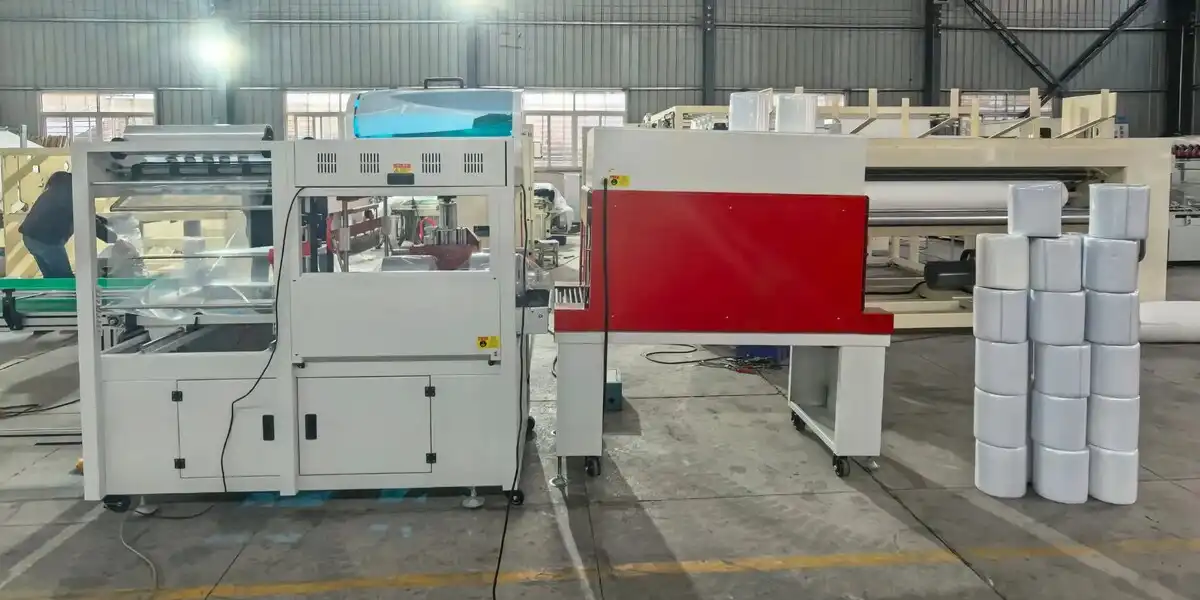
Next, check to see if the shrink wrap tunnel will fit in your building. Make sure you know the voltage, phase, and source of compressed air before you buy. The HY-550A needs 220V at 1.5 kW and 5–7 Bar of air. The HYN5030SL needs 11 kW of power and can work with 220–380V. Also, measure the area on the floor. The shrink wrap tunnel is 1600 mm long, 860 mm wide, and 760 mm high, and it weighs 100 kg. The sealer is 1450 mm high, 1750 mm long, and 900 mm wide, and weighs 350 kg. It's important to know the rules for electrical and machine safety where you work in the US. For example, OSHA Publication 3067 has information on how to guard machines. Machinery made by HENGYU meets CE and ISO norms.
Compare Total Cost, Not Just Machine Price
Low cost to buy is helpful, but earnings depend on how much it costs to run. Film, power, staff, spare parts, and downtime are some of the things you should compare. If you switch from pre-made bags to POF film, you can save up to 40% on these things. This is important if you pack a lot of boxes every week. Check with each seller to see if they offer testing, training, help with installation, guarantees, and extra parts. If you are on a tight budget, a used shrink wrap tunnel might be a good choice. But before you buy it, make sure you check the heating elements, fans, conveyor, wires, and controls, and ask to see the shrink wrap tunnel in action. Suppliers who answer your technical questions clearly before the sale are more likely to give you better service after the sale as well.
HENGYU Shrink Packaging System for Tissue and Consumer Goods
What the HY-550A and HYN5030SL Offer
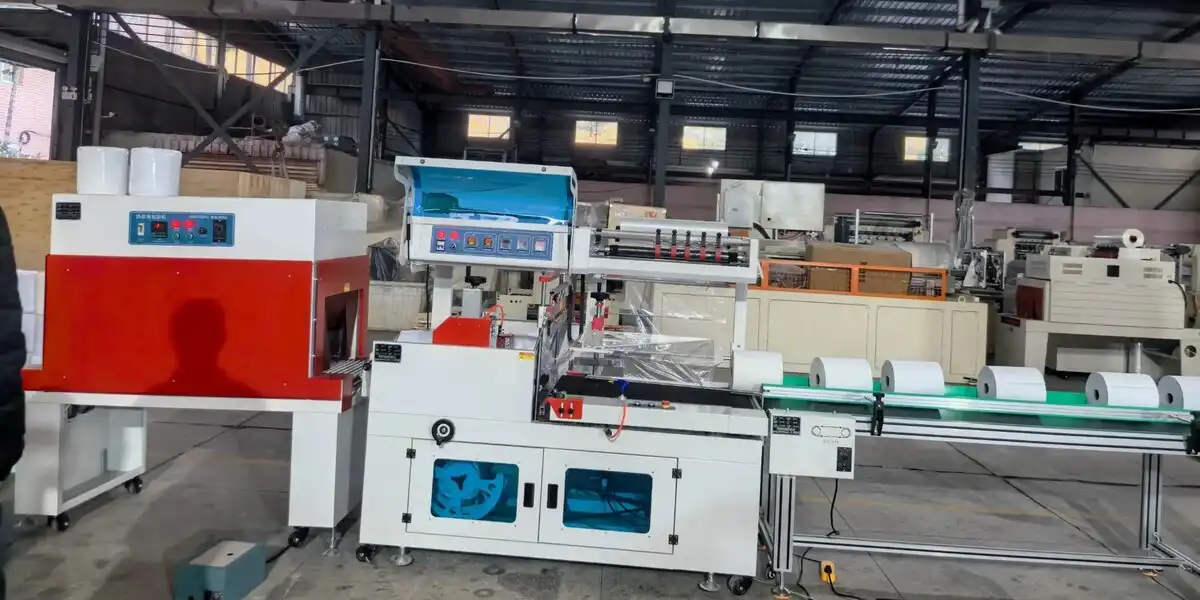
In our setup, the HY-550A automatic L-bar sealer and the HYN5030SL shrink wrap tunnel work together. To pack 15 to 30 packs per minute, they use POF film. The sealer can cover an area of 650 mm x 550 mm and work with items that are up to 600 mm long and 500 mm wide. Each item is found by photoelectric sensors, which then start the closing process on their own. There are always the same seals in a system that keeps the temperature the same. The shrink wrap tunnel conveyor moves at a speed of 15 to 30 m/min. Things like rolls of toilet paper, kitchen towels, napkins, stationery sets, and small tools are bound by these rules.
Where the System Saves Money
This works well for small businesses because they first ask me about cost. For every POF film bag you buy, you get one that is already made for up to 40% less money. It's also not nearly as expensive to set up as a system that does everything for you. Users only need to keep an eye on the line because feeding, sealing, and shrinking are all done automatically. People don't need to work as much now. That way, you can change sizes without having to take out big pieces or stop the line for a long time. Keeping the temperature steady means that fewer packages are sent back. For grocery stores, hardware stores, and wholesalers, having a lot of small sales saves a lot of money.
Installation, Training, and Support
A lot of people, especially small teams, are scared to buy new gear. More than 95% of our customers finish installation with help from afar. HENGYU has been making things for more than 20 years. You can reach our team of experts 24 hours a day, seven days a week. They are happy to answer your questions and show you how to use, manage, and fix common issues through video lessons. The one-year warranty covers parts that break because of something other than human error, and for as long as the machine lasts, our engineers will be able to help you from afar. Paper dust can make photoelectric sensors dirty, so you should wipe them down every day.
Shrink Wrap Tunnel vs. Other Methods, Energy Use, and Maintenance
Tunnel vs. Heat Gun and Steam
A heat gun can be used to make prototypes, fix things, and make very small amounts of something. How well and quickly you use it will determine the outcome. It is possible to keep making things in a shrink wrap tunnel because it keeps hands away from hot air, spreads heat out evenly, and always does the same thing. Steam tunnels can be useful for some things, but they need more infrastructure, better water treatment, better control of moisture, and more airflow. Semi-automatic equipment costs less at first, but it needs more work and can't grow as fast. Think about every order you have now and every order you will have in a year. With an automatic line, you don't have to make a second buy if business keeps going up.
Controlling Energy Use
The temperature, chamber area, insulation, heating power, conveyor speed, package load, and time not in use all affect how much energy is used. Kilowatt-hours per finished package is a better way to measure power than just rated power. Make sure the shrink wrap tunnel is the right size, the holes are small, the temperature is lowered when it's not needed, and the transport speed is matched to the heat to cut down on waste. During long breaks, turn off the heat if your controls let you. You should also keep an eye on the amount of film used, failures, work, and downtime. These numbers will show you how productive you really are. You can tell if a change worked by looking at them every month.
Troubleshooting and Maintenance
It's usually easy to figure out what's wrong. If the shrink wrap tunnel won't heat up, you should check the power, the emergency stop, the switches, the heating elements, and the temperature monitor. Most of the time, film that is wrinkled or loose means that there isn't enough speed or heat. If there are holes, it means that too much heat or air is stuck. Not all of the film may shrink if the airflow stops or if there is a bad seal upstream. The shrink wrap tunnel and sensors need to be cleaned every day. The temperature should be set regularly, and the conveyor and guards should be checked once a week. Extra heating elements, thermocouples, fans, relays, and emergency-stop parts should be kept on hand to cut down on downtime.
Conclusion
In a shrink wrap tunnel, controlled heat and airflow pull plastic film tight around items. Temperature, airflow, conveyor speed, and film type must all be balanced for results that are all the same. The best types for everyday use are electric ones. Because POF, PVC, and polyethylene are all different, the choice depends on how heavy it is, how it looks, and how well it conforms to the rules. You need to know more than just the buying price when choosing a machine. You need to know how big it is, how much it will make, how much space it will take up, and how much it will cost altogether. When you need to keep making things, a shrink wrap tunnel is better than heat guns and steam tunnels because the results are more even and can be repeated. Regular checks, cleaning every day, keeping an eye on energy use, and having extra parts on hand all help keep output steady. This is what the HY-550A and HYN5030SL pair does. It has POF film, automatic detection, and can make up to 30 packs per minute.
FAQ
1. What does a shrink wrap tunnel do?
When it warms up, film that was wrapped around something loosely shrinks into a clear, tight cover. And it looks neat and ready to sell on the shelf. This keeps the item safe from dust and dirt.
2. Which films work in a shrink wrap tunnel?
Polyolefin, PVC, and polyethylene are the ones most people pick. If you need to ship heavy items, polyethylene is a good choice. POF is good for clear food and retail packs, but PVC needs to be able to breathe. Try the film on your own thing first before you buy a lot of it.
3. Is a tunnel better than a heat gun?
Yes, for making things that never end. The heat and effects are always the same in a shrink wrap tunnel, where your hands stay out of the hot air. A heat gun can still be used for fixes, tests, and very small amounts.
4. What should I check if the tunnel does not heat?
The heat elements, the switches, the emergency stop, the power source, and the temperature monitor should all be checked. You can tell the supplier's expert team what's wrong by giving them pictures and a short note. After that, they'll help you fix it.
Request a Shrink Wrap Tunnel Recommendation from HENGYU
This is HENGYU. Based in the United States, they have been making shrink wrap tunnels for more than 20 years. If you email hengyu@hytissuemachine.com, our team will help you set up the HY-550A and HYN5030SL in a way that works for the size of your product, the film you use, and the amount of work you do each day.
References
1. Food Packaging: Principles and Practice, 2012
2. Plastic Films in Food Packaging: Materials, Technology and Applications, 2013
3. Wiley Encyclopedia of Packaging Technology, 2009
4. ASTM D2732, Standard Test Method for Unrestrained Linear Thermal Shrinkage of Plastic Film and Sheeting, 2014
5. OSHA Publication 3067, Concepts and Techniques of Machine Safeguarding, 2001
6. Handbook of Plastic Films, 2003