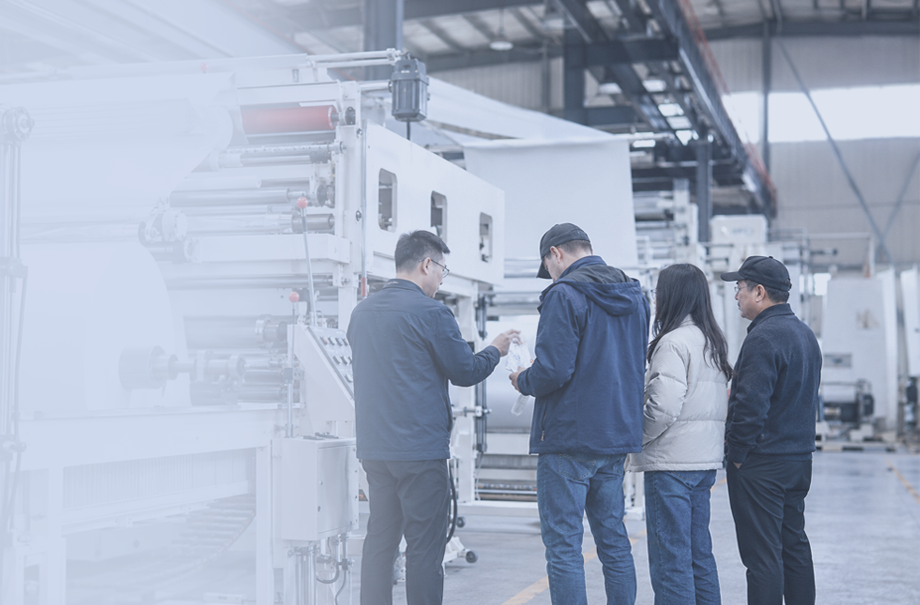
Toilet Paper Manufacturing Equipment: Key Machines and Their Functions
Toilet paper manufacturing equipment refers to an integrated production system that converts large jumbo parent rolls into finished bathroom tissue products. A complete tissue converting line typically includes a rewinding machine, embossing unit, perforation system, log saw cutter, and packaging machine. Each component performs a specific function that directly affects roll quality, output consistency, and operational cost. For mid-to-large manufacturers supplying modern retail channels, selecting the right tissue converting equipment means balancing production speed, product flexibility, and automation depth — all of which determine your ability to win and hold supermarket supply contracts.
Understanding the Toilet Paper Production Process
Before you judge a machine, it's helpful to know how the whole process fits together. The process of converting tissue begins with a large roll and ends with a finished product that is shrink-wrapped. To avoid delays and poor quality, each stage must stay in sync with the others.
Jumbo Roll Unwinding and Tension Control
The first step is to put a giant parent roll on a mechanical unwind stand. These rolls can be up to 1,500 mm wide and weigh up to 2 tons. Controlling the tension at this point is very important. When tension isn't managed well, paper breaks during high-speed operation. This stops production runs and wastes more materials.
Embossing and Lamination
This is what the tissue web looks like after it goes through the embossing unit after it goes into the conversion area. This step adds roughness to the surface, which makes it look better and give the impression of being softer. When you single-emboss, you only use a basic design on one ply. When you double-emboss, you treat each ply separately before laminating, which makes the product look better. Steel-to-steel edge embossing holds the ply sides together, so the final rolls don't come apart, which is a key quality indicator for buyers in stores.
Rewinding, Perforation, and Log Cutting
The rewinding machine cuts tissue into logs with a set width, and four high-precision screw knives make holes in the logs at exact intervals. Accurate perforation within ±3 mm makes sure that sheets tear off cleanly, which shoppers and people who buy in supermarkets notice right away. After that, a log saw cuts the long log into individual rolls of the right length.

Types of Toilet Paper Manufacturing Machines and Their Features
Tissue converting equipment ranges from basic units that are only partially automatic to high-speed toilet paper manufacturing equipment lines that are fully automated. What you need to know about your output goals, product range, and channel needs will help you choose the right setup.
Full-Automatic Converting Lines
Full-automatic lines combine rewinding, embossing, piercing, core feeding, glue closing, and diameter control into a single system that works together and is controlled by a PLC and an HMI touch screen. The HENGYU HY-1500 model works at 180–240 m/min and stops the line as soon as a sheet of paper is detected, so as little waste as possible is created. These lines work well for companies that make goods for supermarkets and newer retail channels where audits for consistency are common.
Coreless Production Systems
Coreless tissue production gets rid of the cardboard core completely, which lowers the cost of materials and meets the needs of markets in the Middle East and North Africa that are becoming more environmentally conscious. The HY-1500 has an extra coreless module that lets makers switch between cored and coreless modes. This way, they can use the same machine to make two different products.
Semi-Automatic and Manual Options
Smaller businesses with smaller capital budgets can use semi-automatic configurations. But they need more help from an operator, which raises the cost of labor per unit and makes roll density and diameter consistency less consistent. Semi-automatic equipment often doesn't meet the volume and quality check standards that modern retail buyers want from companies that want to sell to supermarkets.
These types of machines show very different business views. A fully robotic line like the HY-1500 helps medium-sized companies compete in retail outlets by increasing their production speed and product variety without having to hire more people.
How to Choose the Right Toilet Paper Manufacturing Equipment?
Buying choices for tissue converting lines are based on a number of things that affect each other. If you get one wrong, it could affect the results of your plant audit, the time it takes to start production, and your long-term running costs.
Production Speed and Capacity Match
The speed of your machine needs to match the number of orders and shifts you have. The HY-1500 can produce enough at 180–240 m/min to meet commercial supermarket contracts. Full-auto toilet paper manufacturing equipment tissue lines that can go between 180 and 300 meters per minute are the standard for current retail supply in growth areas, according to figures from the industry.
Certification and Quality Audit Readiness
Before accepting a supplier, supermarket chains and big buyers check out the plant. CE certification shows that a product meets European safety standards and is widely seen as a sign of quality when buying things from other countries. Because the HY-1500 meets CE and ISO standards, it can directly help with your plant audit paperwork.
After-Sales Support and Service Terms
The support system behind equipment is very important to its dependability. HENGYU offers a quality guaranty for one year, remote technical support 24 hours a day, 7 days a week, and video-guided installation help. Over 95% of customers finish installation with help from afar, which cuts down on the time it takes to start production no matter where you are.
Maintenance Tips and Best Practices for Toilet Paper Equipment
Regular repair keeps your investment safe and cuts down on output downtime. It's also helpful to have an organized maintenance routine ready for buyer quality checks.
Blade and Perforation Knife Inspection
Depending on how rough the paper is, perforation blades need to be checked every 8–12 hours of use and replaced every 15–30 days. When blades are dull, they make ragged holes that don't pass consumer tear tests and may cause buyers to reject the quality. Having a spare set of blades on hand cuts down on production delays that aren't necessary.
Lubrication and Drive System Checks
According to the manufacturer's maintenance manual, all mechanical drive parts need to be oiled on a regular basis. Different frequency drives (VFDs) keep the drive train safe when it starts up and when the speed changes. Checking the VFD parameters and motor temperatures on a regular basis can help find alignment issues early on, before they become expensive failures.
Operator Training and Documentation
Trained workers can fix small problems faster and correctly without having to wait for help from outside sources. As part of the installation package, HENGYU gives training for toilet paper manufacturing equipment operators. The PLC touch-screen interface shows real-time production data that helps the operators spot problems early.
Environmental Impact and Technology Trends in Tissue Machinery
In many target areas, following environmental rules is no longer a choice. Regulatory pressure and store standards for sustainability are changing the equipment specs that buyers value the most.
Energy Consumption and VFD Integration
Compared to older fixed-speed systems, modern tissue changing lines use less energy because they have variable frequency drives (VFDs) at all the main drive spots. The HY-1500 uses between 7.5 and 15 kW of fixed power, which is a good amount for its speed class. Your margin on retail contracts goes up when the cost of energy per unit produced goes down.
Coreless Technology and Plastic Reduction
Coreless roll production gets rid of the cardboard tube, which means less packaging material is needed. In places where reducing plastic use is actively encouraged, coreless paper goods really stand out in stores. As environmental rules get stricter in the Middle East and Africa, manufacturers who build this potential now will be in a better situation.
IoT Monitoring and PLC Automation
Modern tissue lines have a PLC and HMI control system that lets you see speed, tension, width, and paper break events in real time. This information helps with production reporting for buyer audits and figuring out problems that keep happening without having to go to the site. The ability to troubleshoot remotely cuts down on downtime and the cost of technical support over the life of the machine.
Conclusion
It is both a production and a market placement choice to choose the right toilet paper manufacturing equipment tissue converting tools. Every part of the machine, from the rewinding unit to the coreless module and the embossing system, has a direct effect on the quality of the goods that people will buy in stores. The HENGYU HY-1500 has a production speed of 180–240 m/min, a number of different embossing choices, the ability to work without a core, and quality control that is CE-certified. It is a full line. HENGYU has been providing tissue converting solutions around the world for more than 20 years. They give mid-sized manufacturers the technical knowledge they need to confidently win contracts with supermarkets and expand their product lines.

FAQ
How fast can the HY-1500 tissue converting line run?
The HY-1500 can make things at a speed of 180 to 240 m/min. This speed range meets the output needs for commercial contracts with supermarkets while keeping the accuracy of the roll diameter and perforation.
Can one machine produce both cored and coreless rolls?
Yes. The HY-1500 can do both standard production with a core and optional production without a core. Manufacturers can meet both standard store demand and environmental compliance requirements in markets with packaging rules by switching between the two modes.
How often do perforation blades need replacement?
Usually, blades need to be checked every 8 to 12 hours of use. Replacement is needed every 15 to 30 days, based on the GSM of the tissue and how rough the paper is. HENGYU suggests having extra blades on hand so that output doesn't stop.
What certifications does HENGYU equipment carry?
The tissue-converting tools made by HENGYU meets both CE and ISO norms. These certifications back up workplace audit paperwork for buyers in supermarkets and institutions that need to make sure their equipment sellers meet quality and safety standards.
What after-sales support does HENGYU provide?
You can get quality assurance for a year, technical support 24 hours a day, 7 days a week, video installation instructions, and training for operators from HENGYU. Over 95% of customers do the installation themselves, which speeds up the time it takes for international buyers to start making things.
Get Your Tissue Converting Line from HENGYU — Trusted Toilet Paper Manufacturing Equipment Supplier
For more than 20 years, HENGYU has helped makers build stable, high-output tissue conversion lines for the retail and institutional markets. The HY-1500 is a tried-and-true machine that can do flexible embossing, coreless printing, and performance that is CE-certified. Get in touch with our technical team right away to talk about your production needs and get a custom equipment proposal. To find out more, email us at hengyu@hytissuemachine.com or go to hytissuemachine.com.
References
1. TAPPI — Tissue Paper Manufacturing: Process Technology and Equipment Standards, 2021.
2. PricewaterhouseCoopers — Global Tissue and Hygiene Products Market Report, 2022.
3. Food and Agriculture Organization of the United Nations — Pulp and Paper Capacities Survey, 2022.
4. Euromonitor International — Away-from-Home Tissue and Hygiene: Middle East and Africa Regional Outlook, 2023.
5. International Finance Corporation (IFC) — Cleaner Production in the Pulp and Paper Industry, 2020.
6. ASTM International — Standard Test Methods for Tissue Paper Products: Tensile, Perforation, and Softness Measurement, 2021.