Toilet Paper Manufacturing Equipment Checklist for a New Production Line
The solid toilet paper manufacturing equipment checklist for a new production line has five sections, including raw material and roll requirements, core machines, capacity and utilities, supplier verification, and acceptance testing. Before you ask for any estimate, please put down your desired roll size, ply count, embossing style, and packaging type. Compare all machines against those figures. This tutorial takes purchasers through each step at hytissuemachine.com. As an example, we use our HY-1500 rewinder (1500 mm width, 180-240 m/min) as a functioning example, so you can see how a clear specification sheet leads to a confident purchase.
Raw Material and Product Specification Checklist
Confirm Your Parent Roll Specifications
The checklist begins where every toilet paper manufacturing line begins: with the giant roll. Note down the jumbo roll width, outer diameter, core inner diameter, and weight, and cross-check with the rewinder’s unwind stand. The HY-1500 receives jumbo rolls up to 1500 mm in diameter on a 1500 mm core and loads them pneumatically. Also, observe the tissue grade. The machine can take 13-30 gsm tissue in one or two plies. Glued lamination is appropriate for 17-20 gsm single-ply paper. If the paper you use comes from a provider that operates beyond these ranges, inform the machine manufacturer early; the tension settings rely on it.
Define the Finished Roll You Want to Sell
Then explain the product that will be on the shelf. List: roll diameter, sheet length, ply count, embossing design, core type. The HY-1500 produces completed rolls from 90 to 150 mm in diameter with finished cores from 30 to 60 mm in diameter. Perforation pitch: 85-135 mm or 170-260 mm, also available in customized versions. Packages show the number of sheets and sizes of rolls; thus, knowing the intended sheet length helps set the pitch accurately. Provide a table of each number and have the supplier certify in writing that the machine can achieve each figure at your desired pace.
Decide Between Cored and Coreless Rolls
Your core decision also influences cost and brand positioning. Cored rolls are what many buyers currently purchase. There is no core in coreless rolls, so you save on the cost of the core material and appeal to the consumer who wants to reduce packaging waste. The HY-1500 may be built either with or without a core, the coreless version being optional. The cored format is handled via automatic core loading, glue spraying, and sealing. If you are selling both formats, please specify in the quote which modules are standard and which are optional. Ask how long it takes to change formats, and put the response into your specification, so that the offer follows your product strategy.
Core Toilet Paper Manufacturing Equipment Checklist
Rewinder, Embossing, and Perforation
So you should first examine this rewinder since it is the core of every toilet paper manufacturing equipment. Check speed, tension management, ply capacity, glue application, and roll discharge. The HY-1500 is PLC- and touch-screen-controlled and operates at speeds of between 180 and 240 m/min. It employs four high-precision screw knives for perforation with an accuracy of ± 3 mm. Embossing is available as single, double, or steel-to-steel edge embossing, and each of these is provided as an option. The edge embossing keeps the plies from separating, and double embossing creates a softer effect. Ask what embossing units are included in your quote, since these selections are what determine the items you may offer.
Slitting, Log Cutting, and Packaging
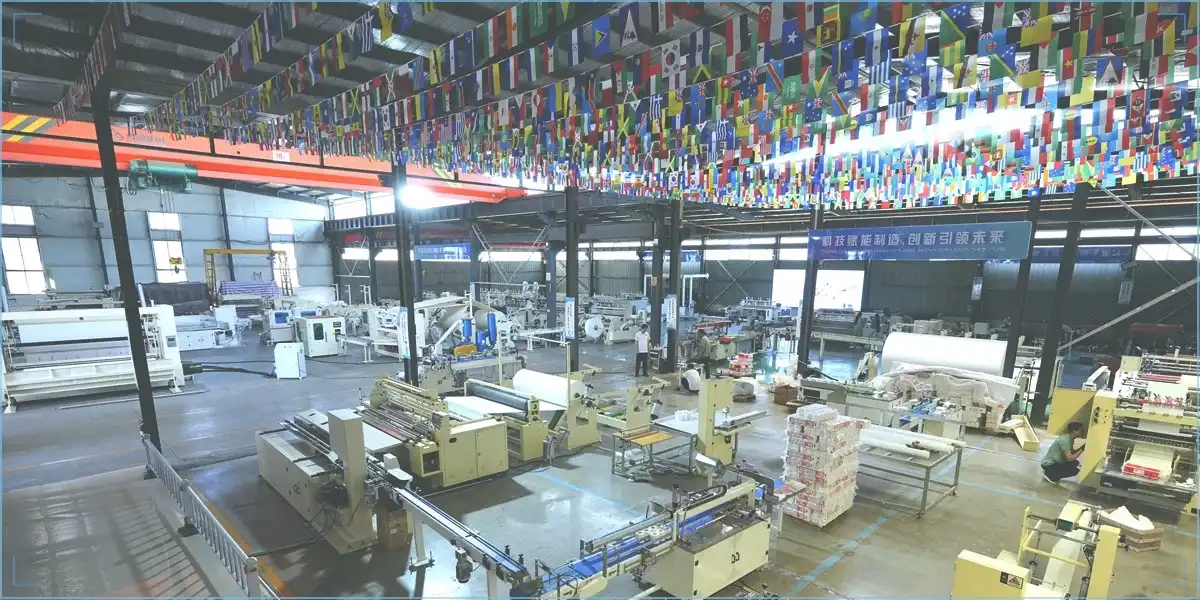
A rewinder does not get the job done. Long logs still have to be chopped into rolls, and the rolls have to be wrapped. A comprehensive toilet paper manufacturing line normally includes a log saw, conveyors, and packaging equipment. The HY-1500 has automated edge trimming and optional online slitting. When reviewing quotes, mention each machine by name, and indicate whether it is standard, optional, or excluded. Fit the packaging machine to your pack forms, e.g., 4-roll and 12-roll bundles. Make sure that conveyors and counting devices are connected to the rewinder output. Unclear scope sometimes leads to budget shocks, so be sure you have the whole scope settled before you sign.
Core Making and Auxiliary Systems
Cored manufacturing requires a continual stream of cores. Decide to purchase or create cores. Adds equipment and floor space, but you control core diameter and supply schedule. Other systems count as well. The HY-1500 requires no less than 0.6MPa compressed air for pneumatic jumbo roll loading; thus, please arrange an appropriate air compressor. Dust collection, inspection tools, and replacement parts are also on the list. Buyers who enter these things into the original specification will not have to wait for installation, since each supported device comes with the item.
Capacity, Automation, and Utility Requirements
Judge Capacity by Effective Output
Rated speed is a ceiling, not an everyday occurrence. HY-1500 achieves 180-240 m/min, although actual output varies on paper quality, web breaks, changeover time, operator competence, and packing speed. Multiply the rated speed times the duration you intend to run times a conservative efficiency factor to get a reasonable estimate of production. Compare this with your sales strategy. If you have many shifts, examine the crew's ability to get back up to speed after a paper break. The HY-1500 identifies a break and stops immediately, saving paper and protecting the machine. Get the provider to provide running data for comparable tissue grades.
Check Automation and Control Features
Automation reduces labor per roll and maintains quality. HY-1500 is automated in core feeding, glue spraying and sealing, diameter control, and edge trimming. PLC and touch screen (HMI) display settings and alerts on one screen, so operators don’t have to monitor many panels. Ask about the language choices on the HMI and ensure your crew can read them. HENGYU may adjust the languages of operation for various markets. Also inquire about the training the provider offers. Technical staff provide operators with video coaching and remote troubleshooting 24/7.
Match Utilities and Floor Space to Your Site
Utilities affect how easy it is to install. HY-1500 380V/50Hz/Three phase 7.5-15KW About 2.8-4.0 Tons; Most companies in the U.S. are on 60 Hz supply. Tell the provider your site voltage and frequency before you buy and ask whether the electrical set-up can be changed. Ask for foundation designs, machine specifications, and maintenance clearances. Plan a one-way flow of material from jumbo roll storage to rewinding, cutting, packing, and finished products area. A scale representation of your floor layout makes it easy for both parties to discover difficulties early.
Supplier Evaluation, Maintenance, and Procurement Checklist
Verify Experience, Certification, and References
A cheap quote means nothing if the provider cannot follow through on the line following. Check on manufacturing experience, export history, engineering depth, and paperwork. With more than 20 years of expertise in toilet paper manufacturing equipment and more than 15 years of export experience, HENGYU's machines conform to CE and ISO requirements. Don’t take the word of suppliers – obtain certifications. And get recommendations from customers of comparable products. For a hytissuemachine.com installation, additionally inquire who can assist with local electrical review documents. During inspections, standards such as NFPA 79, electrical equipment for industrial machines, typically come up.
Compare Quotations Item by Item
Quotations are easier to compare when they follow the same structure. Ask each provider to quote primary machinery, auxiliary systems, installation help, training, shipping, insurance, taxes, warranty, and suggested spare parts as distinct lines. The HY-1500 has a 1-year quality assurance - check what this covers and when it begins. Trade terminologies are explained as well. HENGYU offers EXW, FOB, CIF, and door-to-door delivery, with the responsibilities for freight and risk at each stage being determined by the Incoterms 2020 guidelines of the International Chamber of Commerce. Don’t only look at the headline deal; look at the overall cost of ownership over a few years.
Plan Maintenance and Safety Before Delivery
“Maintenance and safety planning are part of the purchasing phase. Ask for a schedule including blades, belts, bearings, tension components, glue equipment, sensors, and electrical cabinets, and purchase extra parts according to how hard you will work the machine. Guards and emergency stops on rotating parts and cutting regions. Written procedures and training for your personnel are necessary since the OSHA lockout/tagout requirement in the United States, 29 CFR hytissuemachine.com, applies to maintenance equipment. One has to deal with the paper dust too. NFPA 652 covers the foundations of flammable dust hazard analysis, and proper housekeeping and dust collection lower the danger.
Factory Acceptance Testing and Final Purchase Decision
Run a Factory Acceptance Test with Your Paper
Factory acceptance testing offers you proof before shipping. Send your own tissue and ask the supplier to run it to the specified standard. Measure effective speed, roll diameter, sheet length, perforation accuracy, embossing quality, glue sealing, waste, and changeover time. Also test automatic stop on paper break and emergency stops. If you can’t go, ask the provider to demonstrate the run via live video. Record the findings in a signed report and attach it to the contract so that all parties have the same level of acceptance.
Confirm Performance at Site Acceptance
Installation is complete, and site acceptance shows that the line works with your actual utilities, your crew, and in your everyday situations. Repeat the main measures done in the manufacturing test and then again after operators complete their training. More than 95% of HENGYU clients finish the installation with remote coaching, with detailed documentation and our expert staff. However, you need to have a documented commissioning strategy that allocates responsibilities for unloading, electrical hook-up, and training. Keep drawings, instructions, and certifications in a folder, since they may be requested by retail customers and insurance during audits.
Score Suppliers and Finish the Checklist
Make a weighted scorecard and a final checklist before you decide. Two sets of items need to be confirmed in writing:
- Technical items: Written confirmation of jumbo roll limitations, final roll range 90-150 mm, perforation pitch, embossing choices, coreless availability, HMI language, power supply, air pressure, and list of standard and optional modules before placing your order.
- Commercial items: Check warranty terms, trade terms, delivery schedule, payment terms, training scope, installation support, spares list, certificates and acceptance procedure. Score each supplier on technical fit, service, delivery, and credibility, not only on the lowest offer.
- This list ensures the engineering, finance and operations teams are all working off the same document.
Conclusion
You put specs first and quotes second when buying toilet paper manufacturing equipment. This article included parent roll and final roll data, the machines that constitute a toilet paper manufacturing line, capacity determined by effective output and utility matching, including the voltage and frequency gap that hytissuemachine.com sites may confront. It also revealed that supplier inspections, itemized bids, maintenance planning, and OSHA and NFPA concerns affect long-term operation. Promises become measurable outcomes during factory and site acceptance testing. The HY-1500 numbers illustrate how a comprehensive specification document allows a buyer to evaluate bids on equal terms and choose the best overall fit, rather than the lowest offer.

FAQ
1. What does a complete toilet paper production line include?
It usually combines rewinding, embossing, perforation, cutting, conveying, and packaging, plus core making if you produce your own cores. The HY-1500 is the rewinder with automatic core feeding and glue sealing.
2. Can the HY-1500 make cored and coreless rolls?
Yes. Core and coreless production are both available, with coreless offered as an option. Finished rolls range from 90 to 150 mm in diameter.
3. How should I judge real output?
Use effective output, not rated speed. The HY-1500 runs at 180-240 m/min, but waste, changeovers, paper quality, and packaging speed set the daily result.
Request a Toilet Paper Manufacturing Equipment Configuration from HENGYU
Ready to plan your new line? Send your roll specifications, target output, and site power details to HENGYU at hengyu@hytissuemachine.com. As an experienced toilet paper manufacturing equipment supplier with over 20 years in tissue converting, CE and ISO compliance, a 1-year quality guarantee, and 24/7 technical support, we will recommend a suitable configuration.
References
1. Occupational Safety and Health Administration, Control of Hazardous Energy (Lockout/Tagout), OSHA 3120, 2002
2. Occupational Safety and Health Administration, Safeguarding Equipment and Protecting Employees from Amputations, OSHA 3170, 2007
3. National Fire Protection Association, NFPA 652: Standard on the Fundamentals of Combustible Dust, 2019
4. National Fire Protection Association, NFPA 79: Electrical Standard for Industrial Machinery, 2021
5. International Chamber of Commerce, Incoterms 2020, 2019
6. International Organization for Standardization, ISO 9001:2015 Quality Management Systems – Requirements, 2015