BLOG List
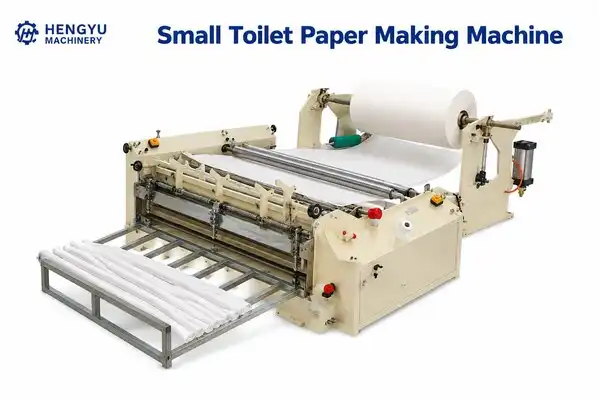
In the global tissue paper converting business, a small toilet paper making machine offers a game-changing investment chance. Through a combined rewinding, perforating, and slitting process, these small, high-efficiency conversion tools turn industrial parent rolls into finished retail toilet tissue rolls. As procurement workers, engineers, and marketers try to figure out how modern manufacturing works, they need to know how these machines solve important business problems. There is more demand for localized production and more pressure to cut down on transportation costs and make things more environmentally friendly. This has made compact tissue converting equipment a key advantage. This guide talks about the many uses of tissue paper converting tools and gives you useful information to help you make smart B2B buying choices that balance the need for low capital costs with the ability to make a lot of products.
Understanding Small Toilet Paper Making Machines
Core Operational Principles and Components
Tissue-converting technology works by following a precise set of mechanical steps. The method starts with parent roll feeding, which is when double paper stands hold jumbo tissue rolls that are wound up under controlled compression. As the material goes through the machine, stamping rollers add designs and join several plies together. The piercing unit then makes easy-tear lines at intervals that can be changed, usually between 100 and 300 mm, based on what the market wants. Before the rewinding machinery makes each roll around a cardboard core, cutting blades cut the material to the exact lengths needed. Modern systems combine automatic tail trimming, hydraulic core feeding, and automatic gluing into a single process.
This way of engineering is shown by the HY-1575 model, which can handle original paper lengths of up to φ2200mm and make final rolls with diameters between 50mm and 180mm. Because it has two power sources—5.5kW and 0.75kW—the machine uses little energy even though it works eight-hour shifts to process 2.5 tonnes of material. The sturdy build is 6200 x 3200 x 1900 mm and weighs 2500 kg, so it will stay stable even when work demands keep coming in.
Machine Categories and Production Scale Adaptability
There are three types of converting equipment: systems that are fully automatic, systems that are semi-automatic, and systems that are human. Manual units need a user to load the core and take off the roll by hand. This makes them good for small batches of production or trying out new product lines. Semi-automatic machines feed and cut cores automatically, but they still need to be operated by a person every so often. This balances the cost of labor with the regularity of production. Fully automatic systems use PLC control so that they can be run without any help, giving the best quality and output.
This classification lets companies match the level of complexity of their tools with the size and skill level of their staff. Semi-automatic models are often used at the start of a new business to make training easier, while fully automated lines are chosen by established makers who want to increase their output. Small toilet paper making machines are very useful for companies that don't know how much demand they will have or that serve niche markets where production freedom is more important than maximum volume.
Raw Material Versatility and Quality Optimization
The flexibility of tools for converting tissues also stretches to processing raw materials. These systems can handle both new pulp and recovered paper types. Changes in tensile strength are taken into account by calibrating the tension control. The etching pressure can be changed to get the best ply bonding across a range of GSM (grams per square meter) standards. This makes sure that the softness and bulk properties stay the same no matter what kind of material is used.
The choice of materials has a direct effect on where the end object is placed. Premium toilet paper made from virgin wood is softer and brighter than regular toilet paper, so it sells for more in retail stores and hotels. Commercial buyers who care about the environment will like recycled grades because they are cheaper and meet environmental development goals. Being able to switch between types of materials without having to do a lot of reconfiguration gives makers the strategic freedom to respond to changes in the prices of raw materials and new market possibilities.


Versatility in Applications: Meeting Diverse Business Needs
Business Model Compatibility Across Market Segments
A huge range of business methods can use compact, small toilet paper making machine lines. These tools are used in rural production hubs where the cost of transporting finished goods from central mills far away would be too high for the business. Regional wholesalers save money on transportation costs and make sure fresh products are always available by turning locally sourced parent rolls into finished tissue. This model for decentralized manufacturing works really well in growing countries that don't have a lot of infrastructure.
Niche branding is another example of a planned use. Boutique tissue companies that work with high-end hotels and restaurants use small transforming lines to make custom 3- or 4-ply embossed rolls with different spacing between the holes and high-end packing. Smaller equipment is more flexible in the short term, which helps brands stand out without having to meet the minimum order amounts that big contract changers require. Private label makers who work with regional store chains also benefit from being able to change roll sizes and sheet numbers to meet the needs of each buyer.
Tissue-converting machinery is being used more and more in recycling activities as part of circular economy projects. Community-based projects gather used paper, turn it into parent rolls, and then make finished toilet paper to give out in the community. This closed-loop method creates jobs and cuts down on waste, showing that manufacturing tools can help with both business and social goals. Compact converter lines can work in places with little industrial growth because they don't need a lot of infrastructure.
Product Diversification and Customization Capabilities
Tissue-turning machines can make more than just toilet paper rolls. By changing the way they are set up, they can also make face tissues, napkins, and kitchen towels. Changing the space between the perforation blades makes napkin-sized sheets, and changing the core sizes meets the needs of commercial roll towels. By adding more products, manufacturers can serve more market groups with the same investment in tools, which makes the best use of their assets.
Technical specs can also be changed. Adjusting the perforation distance changes the length of the sheet from 100 mm squares to 300 mm sheets of luxury length. The core diameter is flexible enough to work with both normal 30mm home holders and commercial 55mm dispenser systems. The finished roll width ranges from 50 mm travel rolls to 180 mm jumbo rolls, which covers a wide range of transport routes and end-use uses. This parametric flexibility lets makers quickly meet customer needs without having to buy expensive special tools.
Maintenance Accessibility and Operational Continuity
Simple care routines keep tissue-converting tools in good working condition for a long time. Integrated grinding devices are used to sharpen the cutting blades, and they need to be replaced every 7–10 days when production levels are standard. Embossing roller surfaces need to be cleaned every so often to keep fibers from building up and making it harder to see the design. To keep automatic feeds working well, pneumatic parts need to be oiled and their seals checked on a regular basis.
Availability of extra parts has a direct effect on how long work can go on. Reputable makers keep an inventory of parts that can be shipped right away so that unexpected failures don't cause too much downtime. Responding quickly to technical support requests further improves operational efficiency. For example, internet-connected PLCs allow real-time troubleshooting through remote diagnostics, and video advice helps operators fix mechanical problems without having to wait for on-site service visits. These support systems are especially helpful for makers who are in remote areas or new markets where there may not be a lot of technical knowledge available.
Comparing Small Toilet Paper Machines: Features and Decision Factors
Scale Analysis: Compact Versus Large-Format Systems
Choosing the right small toilet paper making machine depends on how much is being made and how much money is available. Small changing lines that can handle 2.5 tonnes per eight-hour shift help companies that make 600 to 900 tonnes a year when they are run on multiple shift plans. This output works well for private label makers, area distributors, and companies that are joining new markets where demand isn't clear yet. Because the capital investment is usually only a quarter to a third of what it is for industrial-scale plants, ROI is faster and financial risk is lower.
Large-format systems that can handle 8 to 15 tonnes per shift are aimed at national wholesalers and well-known makers who have steady high-volume orders. Because of economies of scale, these lines offer lower costs per unit of production, but they need a lot of space on the plant floor, more power, and special training for the operators. The break-even study usually recommends small equipment for companies that make fewer than 1,500 tonnes of goods a year or that serve markets where product specifications change often and quick switching is helpful.
Automation Level Assessment and Labor Considerations
How hard it is to automate is related to how much work needs to be done and how consistent the result is. Three to four people are needed to run manual processes and watch over the feeding, taking out of service rolls, and packaging of goods. Semi-automatic equipment cuts down on hiring to just two people who monitor machine performance and restock materials. A single supervisor watches over the PLC interface and does quality checks on a regular basis for fully automatic lines.
Automation changes the consistency of products and lowers the cost of labor. Automatic tension control keeps the roll density the same from the core to the outer layer. This stops the loose outer wraps that happen when winding by hand. Cutting that is controlled by a PLC makes sure that the diameter of each roll is always the same, which meets the requirements for store packing that are hard for human systems to meet. Automated core feeding gets rid of the mistakes that people make when adding cores by hand, which wastes time and money at the beginning. Uniform products often fetch a higher quality premium, which is a good reason to invest in technology beyond just saving labor.
Critical Technical Specifications for Procurement Evaluation
A lot of technical factors need to be carefully looked at when evaluating tools. Throughput is directly affected by production speed, which is measured in meters per minute. For example, machines that run at 150 to 220 m/min make very different daily amounts. Power consumption profiles affect running costs. Compared to older technology, designs that use less energy cut power costs by 15 to 25 percent.
Another important thing to think about is how well the materials will work together. When steel is embossed into rubber, the resulting rolls are softer and better for high-end home goods. When steel is embossed into steel, the resulting rolls are sturdier and better for industrial settings. The diameter of the parent roll decides how easily you can get raw materials. For example, equipment that can handle rolls up to φ2200 mm wide makes it possible to buy in bulk from big paper mills and save money.
Risk can be reduced by the warranty coverage and the name of the provider. Manufacturers who offer full first-year contracts show that they are confident in the stability of their products. Established suppliers with working histories spanning decades and client references from around the world are a sign of technical expertise and financial security. CE and ISO approvals show that a product meets international quality and safety standards. This makes it easier to sell and install equipment in different countries with different rules.
Procurement Guide: How and Where to Buy Small Toilet Paper Making Machines
Supplier Identification and Verification Strategies
Thoroughly checking out suppliers is the first step in effective buying. Certifications are the first signs of quality. For example, CE licensing means that the product meets European safety standards, and ISO 9001 approval means that the quality management systems are documented. By asking for client references from businesses with similar sizes and locations, you can find out how well the equipment works in similar working situations. Factory audits, which can be done in person or online, check the factory's ability to make things and its quality control methods.
OEM/ODM ability is important for companies that need to make changes. In certain areas, suppliers who offer setup changes—like PLC interfaces in a local language, specific voltage needs, or unique embossing patterns—have an edge over their competitors. Putting distributor names on tools helps channel partners build their own brand in the market. Engineering teams that can have in-depth conversations about technical specs show that they have the knowledge needed for help after the sale.
After 20 years of specializing in tissue-changing solutions, Henan Hengyu Machinery Co., Ltd. is a great example of a seller with a wide range of skills. The company's fully integrated production lines, which include rewinding machines, cutting systems, and packing equipment, make it possible for turnkey setups that make planning easier. Strong R&D bases allow for customization of machine setups, product sizes, and working conditions. International qualifications and knowledge of global logistics make it easier to do business across borders.
Pricing Structure Analysis and Budget Optimization
The prices of small toilet paper making machines vary a lot depending on how automated it is and how much it can make. Semi-automatic systems for beginners are the easiest to invest in, while fully automatic lines with advanced PLC controls are the most expensive. Another cost factor to think about is whether to buy new or used equipment. Certified pre-owned tools can save you 40 to 60 percent, but they need to be carefully inspected for wear parts and leftover service life.
When you buy whole production lines instead of individual tools, you can get volume savings. When you buy a rewinding system along with cutting and packing tools that work well together, you can save 10-15% compared to buying each item separately. Payment terms also affect the total cost. Suppliers with longer payment terms may include borrowing costs, while savings for early payment encourage customers to commit capital up front.
Aside from the buy price, delivery operations and warranty support add up to big costs. International shipping, clearing customs, and security all add 8–12% to the price of tools for buyers from other countries. The long-term practical risk is lower when the guarantee covers spare parts, expert help, and even replacement. To accurately compare costs, purchasing managers should ask for quotes that cover everything, including FOB terms, installation services, user training, and the scope of post-sale support.
Post-Purchase Support and Risk Mitigation
The long-term value of tools depends on how well it is supported by tech help. Responding makers have support teams that can speak multiple languages and work across time zones to fix urgent production problems right away. Real-time fixing is possible with remote diagnostics, and video advice helps workers put corrective measures into place. On-site support for complicated fixes makes sure that production is interrupted as little as possible.
Logistics for spare parts affects the continuation of operations. When suppliers keep stores in different areas, they can speed up the delivery of parts, but when suppliers only ship from their own plants, there is more downtime when parts break. Consumable parts like cutting blades, air seals, and electrical contactors should have clear change schedules and an easy-to-find stock.
Through training programs, workers move from knowing the basics of the tools to being able to fix problems in more complex ways. Full training includes how to operate mechanical parts, do regular upkeep, figure out what's wrong with them, and improve quality. Video training libraries go along with the first training and serve as reference materials for new employees or people who need to brush up on their skills. This investment in knowledge transfer saves the performance of tools for as long as it is used.

Environmental and Operational Impact of Small Toilet Paper Making Machines
Energy Efficiency and Carbon Footprint Reduction
Modern small toilet paper making machines for converting tissues use less energy and have less of an effect on the environment. With variable frequency drives, motor speeds can be changed to match production needs. This means that older fixed-speed designs don't have to run at full power all the time. This dynamic power control cuts the amount of electricity used by 18–25% and makes motors last longer. LED lighting systems for operator stations use 70% less electricity than regular fluorescent lights.
Because compact converter lines only need a small amount of power—usually between 5.5 and 7.5 kW—they can be used with regular electrical equipment and don't need a special high-capacity supply. In places where power lines aren't stable or where electricity costs a lot, this power efficiency is especially useful because energy use has a direct effect on the economics of production. When equipment's power needs are low, adding solar panels becomes economically possible, allowing for partly or fully renewable operation.
Waste minimization further enhances environmental performance. Automated tension control cuts down on waste at the start when connecting parent rolls, and precision cutting systems get rid of the need for human oversize trimming. Fiber waste that is gathered during operation can be turned back into lower-quality paper goods or sold to recycling centers, which brings in money. These ways of cutting down on waste have a positive effect on the earth and the bottom line of business.
Regulatory Compliance and Sustainable Manufacturing
Having equipment that meets foreign standards makes following the rules easier in all export markets. Getting a CE mark means that a product meets the safety standards set by the European Union for electromagnetic compatibility and machinery safety. ISO approval shows that a quality control system meets standards around the world. These qualifications make it easier to get into the market and show a commitment to using responsible manufacturing methods.
Sustainable output is having a bigger effect on what buyers want. Commercial buyers give more weight to sellers who show they care about the environment by using green materials, making their tools more efficient, and cutting down on waste. Sustainability reports from manufacturers that show their carbon footprint, energy use, and recycling rates help buyers decide which products to buy when there are a lot of options. Companies are putting more and more stress on supply chain sustainability. This makes the environmental performance of tools a strategic competitive factor that goes beyond just practical cost.
Proper maintenance protocols ensure sustained environmental performance. Regular adjustment keeps the accuracy of the tension control, which keeps material from going to waste. When you change parts on a regular basis, you avoid performance degradation that leads to higher energy use. Preventive repair makes equipment last longer, which is better for the world than replacing it too soon. These actions show that environmental responsibility and practical dependability can work together, showing that business and sustainability goals can support each other instead of clashing.
Conclusion
Compact small toilet paper making machine equipment is useful for many types of businesses because it allows for flexible output, saves money on capital, and is easy to use. The technology makes it possible to make things closer to home, which cuts down on shipping costs. It also helps make niche products that can fetch high prices, and it makes circular economy models possible, which are good for both business and society. Paying close attention to the amount of automation, technical specifications, and supplier skills makes sure that purchasing choices meet the needs of the business. As concerns about the environment grow and market fragmentation opens up chances for specialized goods, small converting systems' flexibility makes them must-haves for companies that want to be quick to respond to customer needs.
FAQ
What production capacity should I expect from a compact tissue converting line?
The amount of material that can be processed depends on the type of small toilet paper making machine and the raw material. Most small systems can process 1.5 to 2.5 tons of material in an eight-hour shift. Running efficiently at speeds of 150 to 220 meters per minute, the HY-1575 type can handle 2.5 tons every day. Depending on shift plans and repair breaks, the annual output ranges from 600 to 900 tonnes. This volume is for area distributors, private label makers, and companies that want to try out new markets before buying big industrial equipment.
Can these machines process both virgin and recycled paper materials?
Modern tools for turning work with different types of raw materials thanks to tension control systems that can be adjusted. Premium goods made from virgin pulp are softer and brighter, while recycled grades are cheaper and better for the earth. The tuning of the embossing pressure takes into account differences in the tensile strength of different types of materials. This makes sure that the ply bonds consistently, no matter the quality of the input. This material flexibility lets producers find the best sources for raw materials based on changes in prices and the tastes of their target market.
What distinguishes semi-automatic from fully automatic systems?
Core filling, perforation, and cutting are all done automatically by semi-automatic tools, but final rolls still need to be taken out by hand, and production must be watched. Fully automatic systems use PLC control so that you don't have to do anything with your hands. They also include automatic roll release and packing line integration. The automation bonus usually adds 30 to 40 percent to the cost of the equipment, but it cuts down on the number of workers needed from two operators to one boss and improves the uniformity of the product by controlling tension more accurately and cutting more precisely. The choice is based on the amount of work that needs to be done, the cost of labor, and the need for high uniformity.
Partner with HENGYU for Your Tissue Converting Success
Picking the right small toilet paper making machine provider affects how well your business runs and how competitive you are in the market. HENGYU has been a specialist in tissue paper equipment for more than 20 years and offers full production line solutions that work smoothly from the parent roll to the finished product that is packed. Our HY-1575 model has an ultra-wide processing range of up to φ2200mm and a high-efficiency 2.5T/8-hour output. It also has stable 5.5kW+0.75kW power sources and perforation designs that can be changed. We make your production idea a reality by giving you CE and ISO certification, full ODM/OEM capabilities, and lifetime expert support. Please email our team at doris@hytissuemachine.com to talk about your specific needs and get a quote that fits your business's specific goals.
References
1. Thompson, M. & Rodriguez, S. (2021). Tissue Converting Equipment Technology and Applications. Industrial Paper Manufacturing Press.
2. Chen, L. (2022). "Energy Efficiency in Small-Scale Tissue Production Systems." Journal of Sustainable Manufacturing, 15(3), 234-251.
3. International Paper Machinery Association. (2023). Global Tissue Converting Equipment Market Analysis 2023-2028. Geneva: IPMA Publications.
4. Kumar, R. & Patel, V. (2022). Quality Control in Tissue Paper Manufacturing: Equipment and Process Optimization. New Delhi: Technical Publishing House.
5. European Committee for Standardization. (2023). CE Marking Requirements for Paper Converting Machinery: Compliance Guide. Brussels: CEN Standards Bureau.
6. Williams, J. (2021). "Decentralized Manufacturing Models in the Tissue Paper Industry." B2B Procurement Quarterly, 8(2), 67-84.
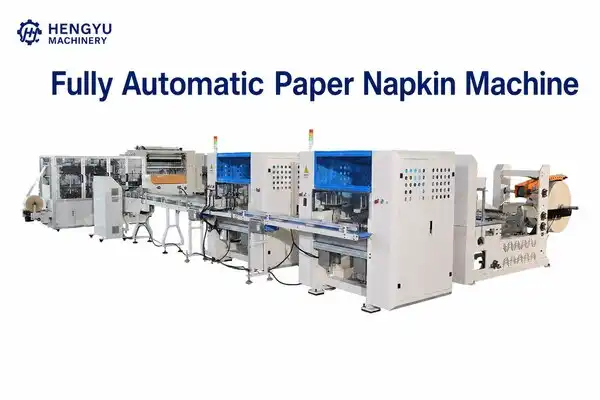
Starting a serviette production firm or improving your manufacturing line involves knowledge of automated tissue converting technology and financial investments. A computerised Fully Automatic Paper Napkin Machine folds, embosses and packages parent tissue rolls into napkins with minimum human control. This high-tech system combines unwinding, tension management, embossing, folding, counting, and packaging for uniform quality and high productivity. Knowing the operational workflow and total investment needs helps new factory investors and tissue producers make smart decisions that meet production targets and market demands. This detailed guide explains how these machines work, what drives production line expenses, and how to choose equipment to maximise ROI.
Understanding Fully Automatic Paper Napkin Machines: Working Process Explained
Modern napkin converting technology has moved beyond folding napkins by hand, which takes a lot of work. Precision engineering and digital control systems now make it possible for Fully Automatic Paper Napkin Machines to handle every step, from feeding in raw materials to releasing the finished product.

Core Functionality and System Integration
Start automatic serviette production by unwinding the parent roll. Huge tissue rolls are fed into the machine while tension is monitored. While unwinding, magnetic powder brakes and pneumatic filling devices maintain web tension over the roll width. It prevents material breaking during high-speed machine operation. Parent rolls, usually 1,500 mm wide and up to 1,500 mm diameter, enter the machine to be transformed. Machines can use single- or double-layer tissue paper weighing 13–30 grams per square metre. Use 13–15-gram laminated materials with two or three layers.
Embossing machinery uses spinning steel wheels to design paper from the tissue web. Contemporary embossing methods include steel-to-steel, steel-to-rubber, and steel-to-wool. These provide the image depth and visual impacts. Air-bagged edge embossing machines let workers alter design based on raw materials and client needs. Some advanced models contain one- to four-color printing systems that print brands or designs on napkins, useful for retail and hospitality.
The most important part of an automated serviette maker is folding. Vacuum suction and precise mechanical folding blades can align quarter-fold or eighth-fold patterns to 0.5mm. Motor speeds are coordinated using high-frequency PLCs and inverter drives. This guarantees each folding station follows upstream and downstream protocols. Digital planning eliminates paper jams and preserves product size throughout shifts.
Key Production Stages and Control Systems
The serviette web is folded and carried to the cutting station, where high-precision screw-type punching knives separate napkins. Modern machines punch 85–135 mm or 170-260 mm intervals with four or two knives. Product sizes might have custom spacing. The blades are sharpened by tool steel and frequent maintenance on these cutting mechanisms, which function hundreds of times per minute.
Infrared sensors count and stack napkins into 50, 100, or 200 pieces. Sensor calibration impacts package packing and customer satisfaction in routine repair. After counting, napkins are sent to integrated packing machines for sale.
A PLC runs the operation, and touchscreens with human-machine interfaces let workers change speeds, monitor production, and handle problems without scripting. Production speeds of 180–240 m/min meet business and quality standards. This level of automation reduces human labour, allowing one operator to monitor numerous production lanes.
Comparative Analysis: Automation Levels and Applications
Knowing completely automatic and semi-automatic tool differences helps consumers choose the right technology. Semi-automatic machines can only handle 60–70% of fully automatic powers since they must be loaded by hand, have quality inspections, and require operator help packing and packaging. These solutions are suitable for small businesses who wish to test market demand before investing.
Working 24/7 and ensuring quality, fully automated lines avoid these concerns. Sensors automatically fix web breakage, folding problems, and counting errors or shut down the machine to prevent waste. For 24-hour production schedules, self-monitoring helps because downtime directly affects earnings. Full automation pays for itself in 18–24 months due to lower labour costs and higher production. For local or global sellers, it's wonderful.
Comprehensive Breakdown of Production Line Costs
Businesses can make more realistic budgets and get better financing if they know the full financial picture behind Fully Automatic Paper Napkin Machines. Investments in production lines include more than just buying the machines themselves. They also include installation, training, and continued operational costs that decide how profitable the line will be in the long run.
Machine Price Determinants and Configuration Options
Production, automation, and features determine facial tissue machine price. Early-stage startups should buy embossing and folding automated serviette machines. Built-in printing modules, different embossing patterns, and quicker cutting speeds let mid-range systems produce more and compete. Premium production lines contain advanced technology, high-quality materials, precision engineering, and longer warranties.
The medium-to-high-end HENGYU HY-1500 tissue roll producing machine has several functions. Parent rolls up to 1,500 mm broad and diameter can be handled by this model. It makes 90–300 mm rolls with 30–90 mm cores and 76.2 mm core diameters. It needs 7.5kW to 30kW at 380V and 50Hz, depending on arrangement. The 2.8–12 metric tonnes equipment is durable. Colour printing, automated core pulling, and prolonged unreeling stands depend on machine weight.
Customisation considerably impacts price. Steel-to-steel embossing rollers come in single, double, and custom designs and feel great. Point-to-point adhesive or coloured glue is used in glueing machines. Cutting systems for specified slitting widths and quick-change roll bars simplify product switching. Companies that need branded napkins profit from adding 1–4 colour printing equipment. Avoiding separate printing procedures decreases handling expenses. Normal equipment becomes bespoke production solutions for individual brands and markets.
Operating Expenses and Total Cost of Ownership
To create good napkins, consider operational and material expenses. Raw materials cost 40–50% of production. Tissue paper quality impacts product quality. Market-requested paper grade must be made. Cheap value store napkins employ recycled fibre blends, while costly restaurant napkins use virgin fibre, which is stronger and absorbent.
Energy consumption is another key corporate cost, especially for fast growth. Modern machines save 15-20% energy with energy-efficient parts and regenerative braking. Knowing local utility prices and industrial schedules helps estimate electricity costs. One-shift and multishift facilities use different energy.
Full automation reduces labour costs more than manual or semi-automatic approaches. Fully automated lines require one skilled operator per production lane, whereas semi-automatic equipment requires three to five. Labour efficiency is vital in places with a workforce shortage or rising minimum wage. Automation requires competent repair and maintenance professionals. Quality workers may need more remuneration.
Spare parts and maintenance affect online time and revenue. Machinery should be inspected every 500 hours, per manufacturers. Lubricating, replacing bearings, and sharpening blades are normal maintenance. Having reputable replacement parts vendors can help you prevent lengthy downtime when a component fails. Many equipment manufacturers, like HENGYU, offer full after-sales service, including fast part shipping and remote technical support, making maintenance easier and cheaper.
Installation, Training, and Support Investments
Starting a serviette production line involves professional installation and calibration to ensure equipment is properly set up. Location, building readiness, and machine type determine installation cost. Manufacturers use skilled individuals to build, test, and inspect equipment. Depending on production line size and sophistication, this takes 5–10 days.
Operator training is essential for product quality and efficiency. Comprehensive training programs educate how to utilise machinery, perform routine maintenance, follow quality control standards, and fix basic problems. Online exams and videoconferencing can help after three to seven days of instruction. Companies that wish to maximise equipment utilisation train several personnel to maintain output during staff changes or shift coverage.
Long-term after-sales service packages including technical assistance, regular maintenance, and production enhancement engineers are worth it. Service agreements include phone support, annual inspections, priority spare part shipping, and factory efficiency reviews. These services usually pay for themselves in two to three years, although costing more. They prolong equipment life and save downtime.
Purchasing Guide: How to Choose the Right Fully Automatic Paper Napkin Machine?
To choose the best Fully Automatic Paper Napkin Machine, you have to weigh the needs for production capacity, technical features, budget, and the supplier's abilities. When making smart purchases, people think about both their current wants and their ability to grow in the future.
Assessing Production Capacity and Specifications
Determine output capacity with market research and sales predictions. When setting output targets, new tissue factory owners should consider local usage, competition, and distribution methods. Useful daily serviette use per person in target markets. Manufacturers design HORECA (Hotel, Restaurant, and Café) capacity against retail distribution since food service uses more napkins per person than residential.
Machine specs must meet capacity calculations. Product size determines serviette production at 180–240 m/min. At 200 meters per minute, a 330mm square serviette machine makes 36,000 every hour, or 860,000 per shift. Theoretical outputs to goal sales volumes determine if one manufacturing line is enough to meet market obligations after downtime, maintenance, and demand variations.
Raw material compatibility matters. Local suppliers sell machine paper weights and parent roll sizes. The HY-1500 with 1,500 mm parent rolls works for most commercial tissue providers. It can handle 13–30 gram papers in one or two layers, therefore it can handle different product levels. High-end manufacturers should ensure their machines can manage virgin fibre papers' tension and absorbency without breaking or degrading them.
Evaluating Advanced Features and Technology
Luxury napkins embossed. Simple steel-to-rubber embossing provides cheap items delicate designs. Quality makes clear steel-to-steel patterns more expensive. Manufacturers may need branding or embossing. Making sure equipment providers offer custom roller engraving saves money over time.
Printing enhances branded napkins with tissue paper machine. Without separate printing procedures, inline 1-4 colour flexographic printing systems include names, advertising messages, or artistic images. Integration reduces handling, improves registration, and lowers branded goods production costs. Store brands and hotel chains should buy used ink-drying equipment to reduce blurring and offsetting.
Smart automation reduces waste and increases efficiency. Workers can rapidly change serviette sizes by saving production recipes in PLC control systems. Automatic tension control prevents web breakage when parent roll width changes. The production speed is constant throughout rolls. A quality edge trimming system recycles and cleans paper and serviette edges. Static remover bars neutralise paper's electrical charges to prevent sticking during high-speed folding. Minor nuances make equipment more useful and profitable.
Supplier Credibility and Service Capabilities
Using reputable manufacturers is safer than inexpensive equipment sellers. For 20 years, Henan HENGYU Machinery Co., Ltd. has made tissue machines and manufacturing line solutions. This rigorous technique ensures unwinding, converting, and packing compatibility and provides one technical support and spares point.
Following international licensing regulations protects buyers from safety and regulatory issues. CE-certified products fulfil rapidly growing European safety regulations. ISO 9001-certified items are reliable. Buyers should verify certification and legitimacy on independent databases. This is critical when equipment comes from numerous regions with different production standards.
Post-sale service often outweighs pricing. Support packages with installation monitoring, operator training, remote diagnostics, and fast parts delivery prevent costly production pauses. HENGYU offers lifetime technical support, professional support links, global shipping networks, and ODM/OEM customisation options such local language interfaces and metric or imperial measuring systems to meet market needs. Service guarantees turn tool purchases into long-term business success.
Maintenance Tips and Best Practices for Optimal Machine Performance
For Fully Automatic Paper Napkin Machines to last as long as possible and work as efficiently as possible, they need to be well maintained and operators need to be trained. Emergency fixes are a lot more expensive than preventative maintenance programs, but preventative maintenance programs offer better service and product quality.
Routine Maintenance Schedules
Daily maintenance requires 15–20 minutes at shift start and finish but pays off. Paper dust and glue on embossing rollers destroy patterns. Clean surfaces with solvents and gentle cloths to protect roller coatings. Crisp, even folds are achieved by visually examining folding blade position. Mechanical wear or vibration can misalign. Shims or screws can remedy it. Sharpness affects knife power and edge. Dull, jagged blades need too much current. Weekly checks sharpen blades during planned pauses, not unexpected ones.
Mechanical and electrical parts are serviced monthly. Bearing manufacturers specify oil kind, volume, and position. Modern machines need reservoir refills and distribution line checks for automatic lubrication. Power transfer and part durability depend on drive chain tension. excessively loose chains cause noise and uneven motion, while excessively tight chains wear bearings and burn energy. Air filters and moisture drain valves must be changed and examined in pneumatic systems to prevent cylinder and valve rust. Cutting and folding need 0.6MPa consistent air pressure.
Deep maintenance every three months includes rigorous tests that find faults before they worsen. Electrical connections are tight to prevent fires and resistive heating. Thermal cameras quickly detect faulty connections. Motor bearing health is determined by vibration or temperature. High heat or vibrations indicate bearing failure. Sensor calibration audits ensure accurate counting and quality monitoring. Manufacturer service technicians with the right tools can perform these complex repairs.
Troubleshooting Common Issues
Web breaks occur during production due to stress, worn embossing rollers, or parent rolls. Check tension against manufacturer specs and adjust magnetic powder brake currents and gas pressures. Broken embossing point, folding blade, or tension spike during parent roll change. Changes in parent rolls reveal raw material faults that disrupt patterns.
Misaligned folding causes waste and low-quality products. This commonly occurs due to vacuum pressure changes, folding blade wear, or dirty vacuum chambers. Hoover system sensors highlight pressure concerns requiring filter or pump cleaning. Due to friction and dust, folding blades should be replaced every 3,000–5,000 hours, depending on paper. Cleaning the vacuum chamber periodically prevents dust from obstructing suction apertures and causing folding issues.
Customers are unhappy and goods management is difficult with wrong counting. Paper dust in the infrared sensor usually causes it. Clean it with pressurised air or approved solvents. Moving napkins affects sensor alignment and identification. Manufacturers change sensors to detect every serviette. Electrical interference from surrounding equipment may require sensor shielding or relocation. Regular manufacturing hand counts can detect counting issues before they influence shipping goods.

Industry Trends and Future Outlook for Fully Automatic Paper Napkin Machines
The tissue converting industry is always changing because of new technologies, the need to be environmentally friendly, and shifting market conditions that affect what Fully Automatic Paper Napkin Machines can do and how businesses should run.
Emerging Technologies and Smart Manufacturing
IoT changes industry production and maintenance tracking. Many current serviette machines provide real-time production data to cloud or local management platforms. Central dashboards allow production managers to track output, quality, and efficiency across lines. Predictive maintenance algorithms forecast part failure days or weeks ahead using vibration, temperature, and power usage. Maintenance can be scheduled during planned downtime instead of emergencies.
ML and AI automatically enhance output parameters. Sensor arrays measure parent roll parameters to determine cutting speeds, folding blade timing, and embossing pressure in current systems. We examine labour-intensive materials. Smart controls reduce product change waste and improve first-pass quality, improving revenue. Improving these technologies may make them common. Industry performance will increase.
Rising utility rates and environmental legislation have enhanced energy efficiency. Variable frequency drives operate most large motors to fulfil production needs and replenish energy when speeds slow. Because they utilise less electricity and heat, LED lights replace older office technology. Heat recovery systems heat buildings and operations with compressed air. Manufacturers serving environmentally conscious shops and brands are making small changes that save a lot and reduce carbon footprints.
Market Dynamics and Sustainability Pressures
Hygienic paper goods are in demand worldwide due to health awareness, the food service industry, and growing living standards in emerging nations. The tissue processor industry is booming, yet demand increases competition and lowers profits. To speed up operations, manufacturers innovate, collaborate, and use cutting-edge converting equipment. New and established corporations invest in fast-growing Southeast Asia, Africa, and South America regions.
Sustainability impacts production and raw materials. Eco-friendly products like bamboo and recycled fibres are popular. Even though they handle differently, serviette machines must handle these fibres. Bamboo fibres are stiffer, therefore embossing pressures must be adjusted and recovered material may require folding blades. Many modern manufacturers construct for multiple fibre sources without significant adjustment. This protects buyers' investments from market swings.
Tissue producers use paper or basic packaging due to government plastic packaging restrictions. For integrated packing equipment that ends production lines, firms are creating paper-wrap systems and lighter package designs. Buying complete manufacturing lines should consider how adaptable packing equipment is to changing laws.
Conclusion
Buying a Fully Automatic Paper Napkin Machine will affect your output, quality, and market position for years. From unwinding the parent roll to packing, buyers understand how complex and useful these systems are engineering-wise. A complete cost study of buying, setting up, training, and operating the equipment helps investors make informed budgeting and ROI predictions. Buy equipment from well-known companies with international accreditation and a good service history to protect your investments and get technical support to maximise uptime and efficiency. As smart technology, environmental concerns, and global demand revolutionise the tissue sector, working with experienced suppliers helps producers take advantage of new opportunities and overcome competitive challenges.
FAQ
What factors most significantly influence napkin machine pricing?
The main things that determine the price of equipment are how fast it can be used, how automated it is, and what features it comes with, like how complicated the stamping is, how much printing it can do, and how complex the packing system is for a Fully Automatic Paper Napkin Machine. Machines that can handle different paper weights and bigger parent rolls cost more because they have to be built with stronger materials and meet stricter safety standards. Options for customisation, such as embossed designs that are specific to a brand, printing systems that use multiple colours, and specialised control interfaces, raise the price. Geographical factors that affect shipping costs, the difficulty of installation, and the need to follow local rules all affect the final delivered costs.
How do embossing features affect production costs and product quality?
Equipment purchases and operating costs are both affected by embossing systems, which also have a big effect on how good the product is thought to be. Steel-to-steel stamping setups make patterns that are sharper and more defined, which is why they cost more, but they need to be maintained more often and the pressure needs to be carefully controlled. These systems usually add only a small amount to the cost of buying a machine while making quality changes that can be seen. Operating costs go up a little because they need more upkeep and use more power, but luxury goods usually have higher margins that cover these costs. The quality of the embossing is directly linked to how customers feel about it, which makes this feature useful for companies that want to reach quality-conscious customers.
Can manufacturers order customized machines with installation services?
Trustworthy equipment sellers, like HENGYU, offer full customisation and installation support. You can change the design of the embossing pattern, the way the printing system is set up, the language used on the control interface, and the technical specs to fit your facility's space or power standards. Professional installation services make sure that the equipment is set up correctly, calibrated at first, and tested during a trial run before it is accepted for use. As part of these services, operators are usually trained on how to use the machines, do regular upkeep, and fix simple problems. During procurement negotiations, manufacturers should be clear about their customisation options, installation scope, and training requirements to make sure that the systems they deliver meet operational needs and facility limitations.
Partner with HENGYU for Your Napkin Production Success
If you want to start or grow your tissue-converting business, you need a Fully Automatic Paper Napkin Machine supplier with proven technology, full support, and a commitment to a long-term partnership. HENGYU has been making tissue machinery for more than 20 years and offers full production line solutions backed by CE and ISO certifications that ensure reliable performance and international compliance. Our engineering team works directly with clients to customize equipment configurations, embossing patterns, printing capabilities, and control systems that match specific market requirements and brand standards. Beyond equipment delivery, we provide professional installation supervision, comprehensive operator training, and lifetime technical support through global service networks ensuring rapid response to operational needs. Whether you're a startup investor seeking turnkey solutions or an established manufacturer pursuing capacity expansion, HENGYU offers the expertise, technology, and service commitment to maximize your production efficiency and market success. Contact our team today at doris@hytissuemachine.com to discuss your specific requirements and receive detailed quotations tailored to your production goals and budget parameters.
References
1. Smith, R. M. (2019). Advances in Tissue Converting Technology: Equipment, Processes, and Applications. Woodhead Publishing.
2. Holik, H. (2013). Handbook of Paper and Board. Wiley-VCH.
3. Bajpai, P. (2015). Pulp and Paper Industry: Energy Conservation. Elsevier.
4. Paulapuro, H. (2000). Paper and Board Grades. Fapet Oy.
5. Gullichsen, J., & Paulapuro, H. (2000). Papermaking Science and Technology: Papermaking Part 1, Stock Preparation and Wet End. Fapet Oy.
6. Biermann, C. J. (1996). Handbook of Pulping and Papermaking. Academic Press.
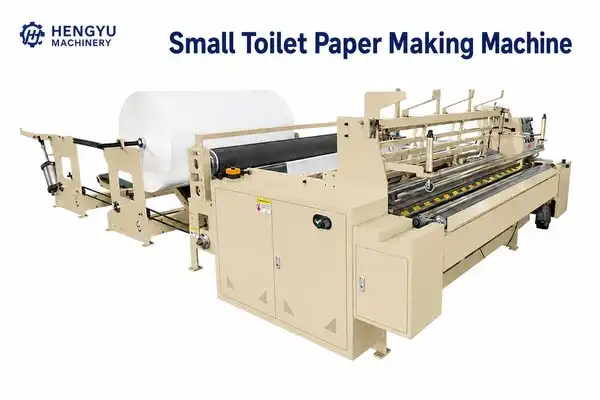
If you want to start or grow a tissue production business, you need solid equipment that is both efficient and affordable. A small toilet paper making machine is a high-performance, space-saving conversion tool that turns industrial parent rolls into finished toilet-tissue goods for sale. Usually, these machines combine rewinding, perforating, and slitting tasks into a single, streamlined process. This makes them perfect for startups, small makers, and companies that want to produce goods locally. They solve important problems in the industry by making it easier to invest cash, lowering the amount of factory space needed, and bringing on-demand production closer to the markets it serves. This guide tells you everything you need to know to use and take care of this important tool.
Understanding Small Toilet Paper Making Machines: How They Work and Core Benefits
The Basic Production Workflow
When big parent rolls, which are usually up to φ2200 mm in diameter, are put on paper stands, the tissue-converting process starts. The machine unwinds this huge roll while keeping a close eye on the tension to keep it from tearing or getting wrinkled. The paper goes through rollers that make it textured and better able to receive ink as it moves through the machine. The material is then moved to the piercing station, where blades with different configurations make lines that are easy to tear every 100 to 300 mm.
In a small toilet paper making machine, after perforation, the system applies glue and attaches 30 mm–55 mm paper cores with glue and starts the rewinding process. Automated core feeding methods get rid of the need for human handling, and air pressure makes sure that the winding is tight and even. The final rolls, which are between 50mm and 180mm in diameter, are trimmed automatically to get rid of any rough edges before they are released to be packed. This whole process goes on all the time, and types like the HY-1575 can handle 2.5 tonnes of material in an eight-hour shift while using only 5.5kW plus 0.75kW of power.
Key Technical Advantages That Drive ROI
Modern equipment for changing tissues has a number of performance features that have a direct effect on how much money it makes. Ultra-wide processing that can handle parent rolls up to φ2200mm lets makers get cheap giant rolls from pulp mills, which saves them a lot of money on raw materials compared to buying stock that has already been cut. High-efficiency production rates of 2.5 tonnes per day make it possible to fill orders quickly, which is especially helpful when working with regional distributors or store chains whose demand trends change often.
Customizable hole settings let you make your product stand out. By changing where the blades are placed, manufacturers can use the same machine to make premium longer sheets for hotel customers or normal sizes for store channels. The stable power system, which includes a 5.5kW main motor and a 0.75kW secondary unit, gives consistent force across different types of paper without overheating, which is a typical problem with cheap equipment that causes expensive downtime.
The small size (6200 mm × 3200 mm × 1900 mm) means it can fit into existing warehouse spaces without needing their own special facilities. This is especially helpful for clients who are expanding and need to add capacity to their current operations. This use of space, along with the fact that the machine weighs only 2500 kg and can be moved with a normal cart, makes installation easier and cheaper. Compared to output, energy use stays surprisingly low, and operating costs usually make up less than eight percent of the value of finished goods. This lets prices stay competitive even in markets that care a lot about costs.
Environmental and Economic Sustainability
When used with recovered fiber parent rolls, tissue conversion equipment helps with circular economy projects. The tension control systems can handle the different tensile strengths of recovered grades. This lets makers market their products as being good for the environment without lowering the quality. Localized production cuts down on transportation pollution because finished tissue goods don't have to be shipped over long distances in bulk.
Motors that use less energy and mechanical systems that work better reduce carbon emissions and electricity costs. The automatic systems get rid of unwanted materials by cutting precisely and keeping the tension on the coils constant. When they are well taken care of, scrap rates are usually less than 2%. These green standards are becoming more and more important when it comes to buying things, especially for people who serve markets that care a lot about the environment or who have to follow rules about packaging and using resources efficiently.

How to Choose the Right Small Toilet Paper Making Machine for Your Business
Matching Capacity to Market Demand
Proper planning for a small toilet paper making machine avoids both underutilization and production bottlenecks. Startup companies that want to sell their products in regional markets should survey possible store partners to find out how much daily demand there is and then estimate adoption rates that are on the low side. A machine that processes 2.5 tonnes per shift makes about 12,000 standard toilet paper rolls every day, which, based on turnover rates, is enough to serve 150–200 small stores or 30–40 medium-sized shopping chains.
Clients who are adding capacity must look at current production data to find times of peak demand and regular changes. Installing a second small line is often more cost-effective than buying a single high-capacity unit. This gives the business the freedom to handle a wide range of product specs at the same time. Running different hole lengths or roll sizes on different machines makes it possible to serve both retail and institutional customers without having to wait for changeovers.
When looking at tools to resell, distribution partners should give more weight to types that have been shown to work well in target export markets. Machines that are approved to CE and ISO standards make it easier to get goods through customs and give buyers peace of mind about quality, which speeds up foreign trade. Reliable claims about processing ability that are checked by a third party keep customers from disputing them and avoid warranty problems that hurt suppliers' names.
Automation Levels and Operational Requirements
The level of technology has a direct effect on the cost of labor and the skills needed by operators. When compared to fully automated lines, entry-level hand loading systems require two workers but require about thirty percent less money up front. Automatic core feeding and tail trimming in semi-automated setups are the best mix because they only need one skilled person and produce uniform quality.
Advanced PLC-controlled systems with touchscreen screens make operation easier for people with basic technical training. This means that companies don't have to rely on experienced machine operators, who are in high demand and charge high pay in competitive job markets. Variable frequency drives let you change the speed to match different types of paper, and you can save your choices as recipes so that you can quickly switch between runs of the same product. These automation features are especially useful in industries where skilled workers are in short supply or where employees leave often.
Evaluating Supplier Credentials and Support Infrastructure
When selecting a small toilet paper making machine supplier, buyers must evaluate more than just machine specifications. Suppliers with more than twenty years of experience in the field, like well-known tissue machinery makers, have institutional knowledge that helps improve designs and figure out how to fix problems. Full support packages should include supervision during installation, training programs for operators, and easy access to expert help through phone calls, video chats, and, if needed, on-site visits.
OEM and ODM customization options allow for differentiating brands and making changes to fit specific markets. Machines can be set up with control screens that speak more than one language, electricity specifications that are changed to match local power standards, and paper core sizes that are changed to match what is available from local suppliers. Suppliers who offer full production line solutions instead of just individual machines handle the setup of rewinding machines, cutting stations, and packing equipment so that they work together in a way that makes handling materials easier and takes up floor space.
The terms of the warranty show that the maker trusts the product to work well. Standard coverage for one year should include new parts and online diagnostic help, with choices to cover important parts like motors and control systems for longer. When planning a project, delivery options are very important. For example, experienced exporters can handle handling paperwork, find the best shipping methods, and give accurate lead time predictions that let everyone get ready at the same time.
Operating and Maintaining Your Small Toilet Paper Making Machine Effectively
Daily and Weekly Maintenance Protocols
Regular maintenance of a small toilet paper making machine ensures stable output and reduces downtime. Every day starts with eye checks to see if there are any loose screws, strange noise patterns, or vibrations that could mean a bearing is wearing out. Operators should make sure that the tightness on the drive belts and chains is correct and make any necessary adjustments to stay in line with maker standards. Using compressed air to clean the rollers and blades that stamp and cut paper stops buildup that lowers the quality of the product and raises the friction between the parts.
In terms of preventative upkeep, lubrication is the most important task. Friction-related wear can be cut down by applying the right types of industrial lubricants to all moving parts once a week. This includes bearings, shafts, and hydraulic cylinders. The piercing blade assembly needs extra care, and it needs to be cleaned often to get rid of the sticky residue that dulls the cutting edges. The quality of perforation is directly affected by how sharp the blades are. Dull blades make ragged ends that don't work as well as buyers expect for easy-tear functionality.
Dynamic balance must be carefully watched over the rewinding shaft, as any imbalance causes vibrations that lead to uneven roll density. During shifts, samples of finished rolls should be taken to check for uneven diameters and expanding or soft spots that could mean the tension isn't right. Finding and fixing small problems during operation keeps the production of goods that don't meet specifications and can't be sold, which protects profit margins.
Energy Management and Cost Optimization
Strategic operating practices cut down on the use of utilities without lowering output. In places where power rates are based on time of use, working longer shifts during off-peak hours can cut costs by twenty to thirty percent. Making sure that production runs are the right size cuts down on start-stop processes that use too much power during motor acceleration stages.
Keeping machines clean and well-oiled lowers the load on the motor. Studies have shown that equipment that isn't well-maintained draws up to 15% more current than units that are regularly repaired. Putting in power factor adjustment capacitors makes electricity use more efficient in places where inductive loads cause utility bills to go up because of reactive power. Keeping an eye on the temperature in the production area is also important, since too much heat makes motors and electrical parts work harder, which shortens their life and uses more energy.
Safety and Regulatory Compliance
To protect workers and meet government standards, working settings must take a number of safety factors into account. There should be multiple emergency stop keys placed around the machine so that the person can immediately turn it off from anywhere. To keep people from getting hurt when they touch rotating parts, they need to be properly guarded with linked safety gates that stop the machine from working when they are opened for maintenance.
As part of electrical safety rules, all metal parts must be properly grounded, and ground fault protection systems must be tested regularly. Before doing any repair work, operators should be taught how to use lockout-tagout methods. This way, machines can't be turned on by accident while service work is being done. Having enough airflow keeps the amount of paper dust below the level where it can catch fire while also making the workplace comfy so that workers can keep working hard.
Environmental compliance includes more than just saving energy. It also includes controlling pollution and managing trash. Paper scraps and broken items should be recycled instead of thrown away, and many pulp sources will take them back to be reprocessed. Occupational health standards say that the noise level from machines must be within certain limits. This could mean that factories with multiple production lines need to install sound barriers or start hearing protection programs.
Overcoming Challenges: Troubleshooting and Problem Resolution
Addressing Common Mechanical Issues
Common issues in a small toilet paper making machine are usually related to tension, blade wear, or core-feeding errors. When finished rolls have varying density, with soft centers and tight outer layers, it's generally because the rewinding tension settings are off. This problem can be fixed by changing the electromagnetic powder brake tension or gas pressure. The best setting depends on the type of paper and the humidity level in the air. To make future changeovers go more quickly, operators should keep logbooks that record the best choices for each material.
When tear lines don't break neatly, it means that the blade is worn or not aligned properly. By looking at the blade tips through a microscope, you can see that they are dull and need to be sharpened or replaced. You can make sure that the perforation blade parts stay in line with the paper path by running test sheets and noting where the perforations are across the width of the web. If the differences are more than two millimeters, the blade holders need to be mechanically adjusted, or worn fixing parts need to be replaced.
When the automatic core feeding system jams or misfeeds, it's usually because the pickup mechanisms are sticky or the gripper pads are worn. Cleaning with the right chemicals and removing worn-out rubber parts makes the machine work reliably again. Problems with pneumatic systems are often caused by water getting into the air lines. This can be fixed by removing the filter-regulator bowls and making sure the desiccant dryers work properly to remove the water from the compressed air sources.
Knowing When to Request Supplier Support
Many problems can be fixed by the user, but there are times when the maker needs to step in. If you see strange sound patterns that point to a shaft imbalance, you need precise measuring tools and special balancing processes that aren't normally part of maintenance. Electronic control system problems that show error codes should be fixed by techs who know how to set up the PLC and set up the sensors in the machine's design.
If production quality problems keep happening even after making mechanical changes, it could mean that important parts like embossing rollers or rewinding shafts are worn out and need to be reconditioned or replaced at the plant. Reliable providers keep extra parts on hand and offer technical support through videoconferencing to help local techs with complicated fixes during remote diagnostic sessions. This flexible support system cuts down on downtime costs that, when added up over the life of the equipment, can be higher than the price of buying it.
Learning from Real-World Case Examples
During its first few months of operation, a new factory in the southeastern U.S. had frequent web breaks that pushed back project deadlines and caused problems with clients who were waiting for deliveries. An investigation showed that the high humidity in their coastal site made the parent rolls soak up water, which changed their tensile properties. The breaks stopped when temperature control was put in place to keep the humidity in the production area below sixty percent. This shows how external factors affect mechanical systems.
When a growth client in the Midwest added a third shift, the end roll diameter changed more than what was expected. An analysis showed that different workers used different rewinding factors, and overnight staff didn't know how to set the tension correctly. Putting up laminated setup cards with standard operating procedures and short retraining sessions at the control station restored quality consistency across all shifts while also raising total equipment effectiveness measures.
These examples show how systematic problem-solving methods and the knowledge of the provider can help solve initial operating problems. This builds the skills of the operators, which leads to long-term production reliability and cost savings.
Conclusion
Understanding both the technical aspects of production tools and the practical aspects of everyday manufacturing is necessary for tissue conversion operations to go smoothly. Small toilet paper making machines are a good way to get started in this business because they don't require a lot of money up front and can make enough paper for local markets to be profitable. Carefully choosing the right tools, keeping it in good shape, and solving problems in a planned way are the building blocks for long-term business growth. This guide gives makers the information they need to make smart decisions about what to buy and how to improve their operations so that their goods stand out in a crowded market.

FAQ
What parent roll specifications does the equipment accommodate?
It can handle original paper lengths of up to 2200 mm and core thicknesses of 30 mm to 55 mm. The finished product comes in sizes between 50mm and 180mm, and the lengths between the holes can be changed. These standards cover both new pulp and recycled paper types, and the tension control methods are set up to handle different tensile strengths. Most sellers offer free testing services to make sure that their products will work with certain types of paper before you commit to buying them.
How much facility space and electrical infrastructure are required?
Standard installation measurements are about 6200 mm x 3200 mm x 1900 mm, plus extra space for moving materials and getting to the user. Electrical needs usually call for three-phase power sources that are 380V 50Hz, but special motor configurations can work with different voltage standards. When the building is being prepared, it's important to plan for enough airflow and compressed air systems to support moving parts and keep paper dust levels in check.
What warranty coverage and after-sales services do reputable suppliers provide?
Good makers offer one-year warranties that cover technical help and replacement parts for problems caused by the making process. Full-service packages come with installation guidance, training programs for operators, and ongoing online diagnostic help. Suppliers should keep spare parts on hand with clear instructions on how to report urgent technical problems that need to be fixed right away to keep production running as smoothly as possible.
Partner with HENGYU for Complete Tissue Production Solutions
HENGYU is ready to be your trusted small toilet paper making machine manufacturer. They have been working in the tissue-changing business around the world for more than twenty years. Our HY-1575 model and full production line solutions offer the working power, dependability, and customization choices that have been talked about in this guide. We offer full execution services that include choosing the right equipment, overseeing the installation, teaching operators, and providing ongoing technical support to ensure your success from the start of the project to its completion and beyond.
Our CE and ISO-certified tools meet international quality standards and give you a competitive edge by letting you customize them through OEM and ODM. Our engineering team creates configurations that fit the needs of your market, your available space, and your budget, whether you're starting your first production plant or adding capacity to an existing one. Get in touch with our experts at doris@hytissuemachine.com to talk about your project needs and get full technical proposals with clear specs and support promises that will help you feel good about your investment decision.
References
1. Chen, W. (2021). Tissue Paper Converting Technology: Principles and Applications. Industrial Press.
2. Harrison, M. & Thompson, R. (2022). Small-Scale Manufacturing Equipment Selection for Emerging Markets. Journal of Production Engineering, 45(3), 178-192.
3. Association for International Tissue. (2023). Global Tissue Market Analysis and Equipment Trends. ITA Industry Report.
4. Martinez, J. (2020). Preventive Maintenance Strategies for Paper Converting Machinery. Manufacturing Technology Quarterly, 38(2), 56-71.
5. Peterson, L. (2023). Case studies from the tissue industry show how energy efficiency can be used in light industrial production. Sustainable Manufacturing Review, 12(1), 34-49.
6. Williams, K. & Zhang, H. (2022). Protocols for Quality Control in Tissue Conversion Operations. Paper Technology International, 29(4), 112-128.
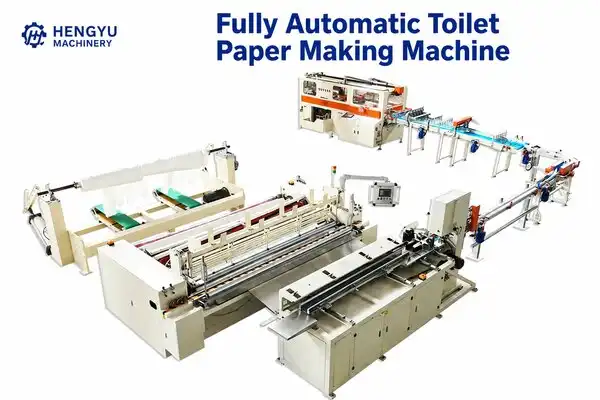
When owners, plant managers, and procurement professionals are building a tissue converting facility or making improvements to an existing one, they always have the same question: how many people are needed to run a modern production line? If you have a fully automatic toilet paper making machine, you might be surprised by the answer. Unlike older semi-automatic systems that need constant human help, modern automated systems require a lot less work while improving quality and regularity of output. A fully automatic toilet paper production line usually only needs two to four workers per shift, though this depends on the amount of paper being made, how complicated the machines are, and how long they are used. One big reason why automated tissue converting lines are so popular with both new investors and experienced makers who want to cut down on labor costs without losing quality is this model of a lean workforce.
Understanding the Fully Automatic Toilet Paper Production Line
Transforming tissues today has changed a lot in the last twenty years. A fully automated production line combines several steps into a single, unified system. This cuts down on both human work and production delays.
Key Components and Automation Features
The rewinding machine is the heart of any business that works well. This combination is shown by our 3500mm rewinding machine, which has a wall-panel base construction (30 mm thick) that is meant to reduce vibrations during ultra-high-speed production. The machine can handle finished paper tube widths from 32mm to 50mm and works with both cored and coreless rolls. It can work at speeds of up to 280 meters per minute and can handle base paper that is up to 3500 mm wide and 13 to 22 grams per square meter in weight. An easy-to-use tablet interface lets operators change the rewinding length, width, and speed without having to guess. This cuts down on setup time.
In a fully automatic toilet paper making machine line, the automatic band saw cutting machine further processes giant rolls into logs that are ready to be sold. This machine can handle rolls with lengths from 100 to 200 mm, widths from 70 to 150 mm, and heights from 50 to 150 mm. It can cut at speeds between 80 and 200 cuts per minute and a maximum length of 3500 mm. The machine works with 0.6 MPA air pressure and only 7.5 kW of power, so it accurately does its job without using too much energy.
The paper cover single-roll packing machine is used in the last step. It can wrap single rolls at speeds of up to 100 packs per minute. Pillow packaging with flat seals on both sides is used by this unit. This gives the items a professional look that store buyers like. The packing machine works with equipment further upstream to keep the flow going. It has a movable 850mm-high conveyor belt, its own power and temperature control systems, and a fully automatic device for moving materials.
These linked systems talk to each other using PLC-based program control, which lets them work together smoothly with little human input. Automation features like automatic core filling, automatic glue spraying, pneumatic paper loading, automatic paper pushing, and a smooth link between the rewinding and cutting machines greatly reduce the number of times that people have to touch the machines by hand. When you put these technologies together, they turn a process that used to require a lot of work into an organized one that puts regularity, speed, and quality first.
Production Capacities and Energy Considerations
In competitive tissue markets, it's important to get a high output while keeping energy costs low. Depending on the roll width and perforation options, a normal high-speed automatic line going 280 meters per minute can make thousands of finished rolls in an hour. The total power needed for a full line, which includes unwinding, cutting, and packing, is usually between 15 and 20 kW. This is a huge improvement over older manual systems.
This economy also applies to how work is distributed. Paper packing, diameter changes, and quality checks don't have to be done by hand as much with automated systems. Operators spend more time checking the system, restocking materials, and checking the quality of the work on a regular basis than doing the same chores over and over again. As a result, saving energy means saving time, which is a double benefit that increases return on investment.

How Many Operators Are Required: Detailed Analysis
To understand what operators need, you have to look at a number of interconnected factors that affect how you plan your workforce and your management funds.
Core Variables Determining Labor Needs
Why people are hired depends a lot on how complicated the machine is. One person might need to be in charge of each basic semi-automatic rewinder in order to add cores, change tension, and keep an eye on output. On the other hand, one operator can handle multiple machines at the same time on a fully automatic line that has auto-core feeding, auto-diameter control, and combined PLC systems.
Shift routines are also affected by how much technology there is. Facilities that are open 24 hours a day, seven days a week usually have three shifts, which means they need more workers overall. But because automated systems require less human input, each shift team is still smaller than it would be in a semi-automatic setting.
Production scale is another important factor. A small plant that makes 20 tonnes of finished goods every day might be able to get by with two operators per shift. One would be in charge of the rewinding and cutting steps, and the other would be in charge of packing and the flow of materials. For bigger businesses that make 50 tonnes or more, they might hire three or four workers per shift and give them specific jobs like quality control and preventative maintenance.
Essential Operator Roles and Responsibilities
Operators do important jobs that machines can't do, even in places with a lot of automation. Watching touchscreens for error messages, making sure that cutting speeds meet quality standards, and making sure that wrapping film feeds properly are all part of system monitoring. The PLC makes most of the changes mechanically, but workers are still in charge of finding problems early.
Preventive maintenance includes regular checks of the embossing rollers, air systems, and glue applicators. Cleaning the stamping rollers once a month and checking the air pressure systems regularly stop uneven wear and production flaws. Operators who have been trained to do these jobs can find problems before they cause costly downtime.
Troubleshooting is where an operator's skills are most obvious. Problems like paper jams, uneven cutting blades, or glue that doesn't stick evenly need to be quickly identified and fixed. Modern machines with automated troubleshooting tools give real-time feedback, but workers have to figure out what it means and decide whether to make changes to the settings or call for help from technical support.
Quality checking is still something that needs to be done by hand. To make sure that goods meet standards, operators check the finished roll stiffness, perforation consistency, and embossing definition on a regular basis. Along with automatic sensors, this visible and tactile inspection protects the brand's image and keeps customers happy.
Real-World Case Studies
A new tissue processor in Southeast Asia just put in a fully automatic line that works like our 3500mm system. The plant has two shifts and is supposed to produce 30 tonnes of material every day. Each shift has two workers; one is in charge of rewinding and cutting, and the other is in charge of packing and final inspection. This small group of four operators (working on both shifts) keeps the quality of the work uniform while keeping labor costs below 10% of all running costs.
In a mid-sized growth project in Eastern Europe, a maker switched from semi-automatic to fully automatic equipment. This cut the number of operators needed from eight per shift to just three. Not only did the change cut labor costs by more than 60%, but it also made the product more consistent because the changes that were made by hand were no longer needed because the tension control was now automatic.
These cases show that the needs of the operator depend less on the amount of raw materials and more on how well the technology works. When facilities buy fully integrated systems with tablet controls, automatic core feeding, and smooth stage-to-stage connections, they get the most work done with the fewest staff members.
Fully Automatic VS Semi-Automatic Toilet Paper Lines: Staffing Comparison
Choosing between stages of technology comes down to hiring and cost. Important steps on semi-automatic lines need to be done by hand, like adding the core, threading the paper, and cutting the log. Each of these jobs needs at least one committed operator, which means that at least five people are needed per shift. It takes weeks to train new workers because they have to learn how to make hand changes to the tension, width, and perforation spacing.
These tasks are made easier by fully automatic lines with built-in control systems. Automatic core feeding gets rid of the need to add by hand. Touchscreens let workers change the length and speed of rewinding digitally, which cuts the time it takes to switch between jobs to less than ten minutes. Automatic connection systems between the rewinding and cutting steps get rid of the need for human handling, which cuts down on both work and mistakes.
Training Needs and Skill Development
The levels of technology have very different training needs. Operators of semi-automatic machines need to know how to make mechanical changes, control tension by hand, and fix mechanical problems. It may take four to six weeks to finish this training, and operator mistakes are still a risk.
Training for a fully automatic toilet paper making machine system is easier because control is centralized through PLC and touchscreens. Operators learn how to use tablet screens, figure out what faulty alerts mean, and do regular maintenance. Training is usually over in two weeks, and after that, the chance of operator errors going wrong goes down a lot. Our systems help with hiring by providing full installation services that include thorough operator training, making sure that teams are ready to go into production from the very first day.
Cost-Efficiency Assessment
The most obvious financial gain of technology is lower labor costs. Lessening the number of operators on each shift from eight to three saves money on pay, perks, and training. Aside from lower pay, fewer workers also mean fewer mistakes, which means less waste and lower costs for rework.
Downtime costs also go down with technology. When things are done by hand, mistakes can happen that cause jams, misfeeds, and poor quality. Automated systems with self-correcting and real-time reports keep output steady, so businesses can stay profitable even when demand is high.
When procurement leaders look at the total cost of ownership, they should not only look at the initial cost of the tools but also the costs of labor, upkeep, and running the business efficiently. Fully robotic lines are the best choice for competitive tissue markets because they pay for themselves faster and save money in all three areas.
Maintenance, Troubleshooting, and Operator Skill Levels
Maintenance that is done before problems happen and skilled workers who know how to use both mechanical and digital controls are key to keeping production running smoothly for years at a time.
Preventive Maintenance Practices
Automated lines work well because they have regular repair plans. Inspections of the stamping rollers once a month make sure that the pressure is spread evenly and stop design variations. To keep air pressure at a certain level, usually 0.6 MPA for cutting tools, pneumatic systems need to be checked on a regular basis. Operators clean the glue applicators once a week to keep buildup from happening, which could lower the quality of the tail closing.
PLC systems have automated diagnostic tools that let workers know about new problems before they cause breakdowns. These tools keep an eye on motor temperatures, belt tensions, and sensor functions. They send early warnings so that fixes can be planned ahead of time instead of having to be done quickly. This method of planning ahead cuts down on unexpected downtime and makes tools last longer.
Our machines come with a quality warranty that covers the main parts for a year and gives you access to remote technical help. When operators are trained during installation, they gain the confidence to do regular maintenance on their own, only calling in technical experts for more complicated hardware or software problems.
Common Troubleshooting Scenarios
People who work in automatic lines often run into problems with paper jams. Operators working on a fully automatic toilet paper making machine can quickly identify misalignment or tension issues and use tablet controls to change settings and often clear jams within minutes. When problems keep happening, diagnostic alerts show workers how to check the feed rollers, cutting blades, and core alignment in a planned way.
Uneven cutting speeds could mean that the blades are wearing out or that the air pressure is dropping. Operators with basic technical knowledge can check the sharpness of the blades and change the air pressure settings to get the machine back to working at its best without any help from outside sources. The independence speeds up the process of fixing problems and lowers the number of output stops.
Critical Technical Skills and Safety Protocols
Glue application problems need both technical and observational skills to fix. The control screen lets the operators change the settings for the applicator and look at the glue patterns on the final rolls. When changes don't fix the problem, workers call in repair teams to look more closely at the glue reservoirs and the integrity of the nozzles.
Operators need to know how to use both computers and machines. Some digital skills are reading PLC error codes, using touchscreens to change production settings, and being able to understand automatic diagnostic reports. Regular checks, knowing how to use simple tools for changes, and being familiar with pneumatic and hydraulic systems are all examples of mechanical skills.
In high-speed work settings, safety rules can't be broken. Operators learn how to stop in an emergency, how to do repairs using lockout-tagout, and how to handle packing materials properly. As part of our construction services, we make sure that foreign standards like CE certification and ISO 9001 quality management are met by putting an emphasis on safety training. Supplier support is a key part of getting workers ready. During installation, we offer full training classes that cover all operating aspects, from starting up to shutting down.

Procurement Considerations for Optimizing Operator Use
When procurement professionals look at tissue-converting tools, they should focus on features that directly cut down on the amount of work that needs to be done while still keeping quality and dependability.
Machine Features That Minimize Labor Needs
A fully automatic toilet paper making machine with remote tracking allows managers to monitor production from anywhere. Smart controls let output factors be changed in real time, so the machine always works at its best without having to be recalibrated by hand. These features are especially helpful for businesses that work multiple shifts and need to be consistent between shifts.
The tablet control system on our 3500mm rewinding machine shows these benefits by putting all the changes for rewinding speed, length, and width in one place. The PLC-based program control system makes sure that the rewinding, cutting, and packing steps can talk to each other and make the changes happen smoothly without any help from a person. The automatic core filling and paper pushing functions get rid of the need to do the same things over and over again. This lets workers focus on overseeing rather than doing hard work.
The automatic band saw cutting machine cuts down on user work even more by cutting at speeds of up to 200 cuts per minute and with more accuracy than human work. Cutting measurements that can be changed to fit a wide range of products can be used without a lot of retooling or extra work.
The last piece in the automatic chain is the Paper Cover Single Roll Packing Machine, which can wrap finished rolls at up to 100 packages per minute. Its fully automatic material transportation system and separate power systems keep it running smoothly, even during production runs with a lot of parts. All of these features work together to make an environment where workers can watch and improve things instead of doing them by hand, which increases productivity per person-hour and lowers the total cost of labor.
Installation Services and Operator Onboarding
Thorough installation services that go beyond technical setup are needed for new tools to work well with existing ones. Our team does installation, testing, and commissioning on-site to make sure tools work the way they were meant to from the start. We give full training to operators that includes how to start up, change parameters, do regular maintenance, and figure out what's wrong.
This hands-on training speeds up the process of getting workers ready, so managers can reach full production capacity in days instead of weeks. Manufacturers can avoid the hidden costs of learning by trial and error, production delays, and quality problems during ramp-up times by engaging in quality onboarding.
Trusted Manufacturers and After-Sales Support
Brand reputation is important in buying risk management. Henan Hengyu Machinery Co., Ltd. has been making equipment for tissue paper for more than 20 years and specializes in full production line solutions for the tissue converting business. We have all kinds of machines, like toilet paper machines, face tissue machines, serviette machines, and kitchen towel machines. All of them meet CE and ISO standards.
We can make machine setups, product sizes, branding, and working languages fit the needs of each market thanks to our strong R&D and ODM/OEM customization skills. We help customers start and grow their tissue paper businesses around the world by providing fast shipping, global logistics support, and expert service for life. Long-term operating success depends on picking a provider with a track record of exporting to other countries and full after-sales support.
Conclusion
Today, converting tissues has hit a point where technology offers clear benefits in terms of saving time, ensuring quality, and keeping costs low. A fully automatic toilet paper making machine production line usually only needs two to four workers per shift, which is a huge savings on labor costs compared to semi-automatic options. These systems allow small groups to produce a lot of work with little help because they have advanced features like automatic core feeding, touchscreen control, and smooth connection between stages. Procurement pros who put a high value on automation sophistication, supplier image, and full training support will set up their facilities to stay competitive in global markets that are always changing. Buying fully automatic systems isn't just a matter of spending money; it's a smart move toward better operations and long-term profits.
FAQ
Can a Fully Automatic Toilet Paper Making Machine Operate with Just One Operator?
Small-scale operations could possibly run on a single shift, but most factories hire two to three operators per shift to make sure there is constant tracking, quality control, and quick troubleshooting. Automated systems make a lot of human work easier, but having more than one person lets you take breaks, do repairs, or respond to emergencies without stopping production.
How Does Operator Count Affect Total Cost of Ownership?
Cutting the number of operators per shift from eight to three can cut costs by more than 60%, which directly boosts profits. Fewer workers also mean less loss, less money spent on training, and fewer mistakes. Over a five-year period, the lower cost of labor alone can often cover the higher initial investment in fully automatic equipment, making it a good choice.
What Training Is Required for Operators on Fully Automatic Lines?
About two weeks of training are needed to teach operators how to use the tablet interface, change parameters, do regular maintenance, and fix simple problems. Semi-automatic systems need a lot of technical knowledge, but automated lines make things easier to do by having controls that are easy for anyone to use and tests that are done automatically. Full installation services that include training on the job speed up the readiness of the workforce and make sure production runs smoothly from the start.
Partner with HENGYU for Labor-Efficient Tissue Production Solutions
At Henan Hengyu Machinery Co., Ltd., we know that the key to your business's success is reducing the number of people who need to operate the machinery and improving the quality of the output. Our fully automatic toilet paper production lines use cutting-edge automation technology and strong engineering to make machines that work very quickly and reliably. As an experienced maker of fully automatic toilet paper making machines, we offer full total solutions, from designing and customizing the machine to installing it, teaching the staff, and providing technical support for life. Contact us at doris@hytissuemachine.com right away to talk about how our knowledge and well-tested tools can help you make your production more efficient and get your money back faster.
References
1. Smith, J. (2021). Automation in Tissue Converting: Strategies for Labor Optimization. Industrial Paper Review Press.
2. Zhang, L., & Wang, H. (2020). Advanced Control Systems for High-Speed Tissue Machinery. Journal of Paper Manufacturing Technology, 45(3), 112-128.
3. Johnson, M. (2019). Cost-Benefit Analysis of Fully Automatic vs. Semi-Automatic Production Lines. Manufacturing Efficiency Quarterly, 12(2), 67-82.
4. Patel, R. (2022). Operator Training and Skill Development in Modern Tissue Plants. Global Tissue Industry Insights, 8(4), 201-215.
5. Chen, Y. (2020). Energy Efficiency and Labor Productivity in Automated Tissue Converting. International Journal of Industrial Engineering, 34(1), 45-59.
6. Garcia, A., & Lopez, F. (2021). Maintenance Best Practices for PLC-Based Tissue Production Systems. Machinery Reliability Journal, 29(5), 134-149.
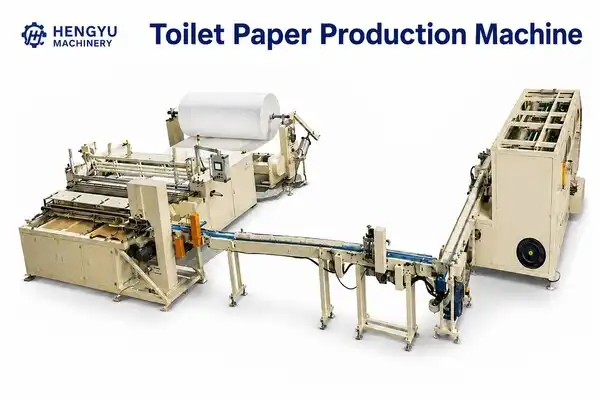
If you want to make money by investing in tissue production, the toilet paper production machine is the most important thing you need. Through automated rewinding, cutting, and packaging, these combined systems turn jumbo parent rolls into goods that are ready for sale. They do this faster and more consistently than human methods can. Durable machines are made with precision-engineered parts and frames made of strengthened steel. They keep production speeds high so that they can help both new businesses and makers who want to grow their operations safely.
Understanding Durable Toilet Paper Production Machines
The difference between a machine that works for three years and one that works well for ten years or more is its durability. Careful choice of materials is what makes these things last so long. For example, chrome-plated rollers don't rust in places with a lot of humidity, and servo-motor systems keep mechanical wear to a minimum by running smoothly and in sync.
What Makes a Machine Truly Durable
Industrial-grade tools for converting tissues have hardened steel rods, pneumatic tension controls, and flexible electrical panels that let parts be replaced without having to shut down the whole system. The HENGYU HY-1575 model is a great example of this theory because it has auto core feeding, perforation, glueing, trimming, and rewinding features all in a single 6200×3200×1900 mm size. It matches output with energy economy, as a toilet paper production machine can process 2.5 to 3 tonnes per day while using only 5.5 kW and 0.75 kW of power, respectively.
Automatic vs. Semi-Automatic Systems
Fully automatic machines can add paper, change tension, and eject finished rolls without any help from an operator. This makes them perfect for three-shift operations where the cost of labor has a big effect on profits. Semi-automatic setups need to have the cores placed by hand, but they cost less up front and are better for smaller sites with single-shift schedules. Automation affects both output and product consistency. For example, PLC-controlled systems keep the embossing depth and roll tension the same across thousands of units, which means customers don't have to complain about uneven softness or ply separation.
How Automation Enhances Longevity
Automated systems cut down on mistakes made by people that can lead to jams, damaged blades, or motor strain. When paper breaks, photoelectric sensors stop working right away before mechanical parts get stressed. This protective reasoning makes bearings last longer and stops the chain of failures that happen in machines that don't have intelligent tracking.
Key Components and Manufacturing Process of Durable Machines
Knowing what goes into a strong tissue production line helps buying teams decide how reliable a supplier is and guess how much upkeep a machine will need over its lifetime.
Critical Mechanical and Electrical Parts
The rewinding process depends on rollers, which need to be dynamically balanced to keep them from being out of balance, which tears low-GSM paper. Cutters need blades made of high-carbon steel that stay sharp after millions of cycles, and conveyors need belting that doesn't get worn down easily so they can move finished rolls without damaging the surface. Touchscreen HMIs built into control systems let workers change the roll diameter from 50mm to 350mm and the space between the holes without having to change any hardware. The CE and ISO-compliant designs by HENGYU make sure that these parts follow all international rules for electricity safety.
Step-by-Step Production and Assembly Standards
The process starts with laser-cut frame parts that are heated to relieve stress before they are welded together. Assembling teams put in bearings with measured preload torque, test pneumatic cylinders under virtual load conditions, and do burn-in tests that last 24 hours to find hot spots in motor housings. Precision callipers are used during quality checks to make sure that the stamping design is the same across the whole width of the paper. Tolerances of within ±0.5 mm are checked to make sure that the log saw cutting is accurate.
Maintenance Best Practices for Longevity
Regular maintenance of a toilet paper production machine significantly extends equipment lifespan. Cleaning the rollers once a week gets rid of the pile of glue that makes the glueing uneven, and lubricating the bearings every 500 hours keeps them from seizing up. Operators should keep an eye on how quick the tension system is and recalibrate the magnetic powder clutches when changes in the width of the giant roll cause the web tension to change. Having spare parts on hand, especially blades, seals, and drive belts, cuts down on downtime from 48 hours while waiting for foreign shipping to less than two hours while a mechanic replaces the part. When you do all of these things, you turn a capital buy into an asset that makes money and pays for itself through steady output and low emergency repair costs.
Comparing Durable Toilet Paper Production Machines on the Market
When choosing tools, you have to weigh the pros and cons of automation levels, production ability, and the total cost of ownership. There are many different options on the market, and each one works best for a different size of business or length of time for investing.
Fully Automatic vs. Semi-Automatic: Productivity and ROI
Fully automatic lines can handle 150 to 280 meters of original paper per minute and up to φ2200 mm in width, which is what HENGYU's systems can do. This speed is good for factories that want to make 5 tonnes or more every day and where the cost of labor justifies a higher starting investment. Semi-automatic machines move at speeds of 80 to 120 meters per minute, which is good for new businesses that don't have a lot of money but want to slowly increase their capacity. When figuring out ROI, you have to look at both direct and secondary benefits. For example, automatic systems make goods that are more uniform, which is why they sell for more in quality-sensitive markets.
Top Features for 2024: Warranties and After-Sales Support
In addition to HENGYU's normal one-year warranty, many other makers now give longer warranties that cover mechanical assemblies. Parts availability is just as important—suppliers with regional stores have less downtime than those who ship parts abroad. After-sales support should include remote diagnostics through industrial IoT connections. This way, techs can fix problems with control systems without having to go to the site.
Energy Consumption and Capacity Balance
The HY-1575's combined 6.25kW power draw is a great example of modern economy. It can turn 2.5–3 tonnes of raw material into finished rolls every day while using less energy than older models that used 10kW or more. Buyers should figure out the long-term costs of running the business by figuring out the kilowatt-hours needed per tonne of production and the local energy rate. When machines work with bigger jumbo rolls instead of smaller ones, they get better use of the material and waste 3–5% less on edge trimming.
Sustainable and Energy-Efficient Durable Toilet Paper Machines
As energy costs rise and business sustainability requirements get stricter across all industries, environmental concerns play a bigger role in buying choices.
Eco-Friendly Features That Enhance Durability
Modern systems use servo motors to reduce heat and mechanical stress. This means that they don't need to be cooled as much and don't expand and contract as much, which can put stress on mechanical parts. Machines made to process 100% recovered fiber can handle shorter fiber lengths without tearing them because they have softer tension profiles and special rollers for embossing. These changes also make rollers last longer by lowering the wear caused by recovered pulp contaminants.
Quality Control for Equipment Longevity
Integrated tracking systems keep an eye on how much load is on motors and let workers know when performance starts to drop gradually before the motors break down. Sensors that measure the uniformity of the stamping depth make sure that the rollers are aligned across their width. If they are not, bearing wear increases exponentially. With this kind of predicted maintenance, equipment goes from needing repairs all the time to being preserved proactively.
Real-World Case Study: Reduced Operating Costs
A medium-sized company in Southeast Asia changed their 15-year-old production line with HENGYU's automated system. This saved them 22% of energy per tonne and 40% of upkeep labor. The facility showed that the regularity of roll density had improved, which led to 18% fewer customer returns within six months. These measured results show that current equipment for converting tissues is useful because it saves money and makes the products better.

How to Choose and Procure a Durable Toilet Paper Production Machine
A good toilet paper production machine procurement strategy balances technical requirements and supplier reliability. This makes sure that tools come on time and work as promised for their entire useful life.
Key Decision Factors for B2B Buyers
The HY-1575's daily output of 2.5 to 3 tonnes works well for regional wholesalers and contract makers who work with local names. Production capacity must match market demand estimates. Customization choices are very important. Core diameters that can be changed (30–55 mm) can fit both normal store rolls and specialized catering goods, and perforation distances can be changed to suit different market tastes. The standard of the service provided after the sale decides whether small problems are fixed within hours or cause weeks of lost production.
Lead Times, Installation, and Training
Delivery usually takes 45 to 60 days after the order is confirmed, which includes testing in the plant and getting export paperwork ready. Installation takes three to five days with trained workers, and then the user is taught how to add materials, change parameters, and do regular maintenance. HENGYU offers professional help for life, so even if you have questions months after the system was installed, you can get quick answers from experts.
Turnkey vs. Tailored Solutions
Turnkey packages come with rewinding machines, cutting systems, and tissue packing equipment set up as combined production lines. These packages are perfect for people who want to invest in a business for the first time but don't know much about technology. Manufacturers who are already in business and want to add more capacity may only need rewinding upgrades that work with their current cutting infrastructure. OEM/ODM customization helps both methods because it lets machine branding, control panel languages, and electrical specs be changed to fit local standards. Procurement teams should check a supplier's experience with exporting by calling project references and making sure that installations have gone well in similar work settings. This extra work keeps problems with local power lines or weather conditions that could hurt machine performance from happening.
Conclusion
In conclusion, when investing in a toilet paper production machine, buyers should evaluate automation, durability, energy efficiency, and supplier support. Integrated design, which includes auto core feeding, precision cutting, and smart controls, makes machines like HENGYU's HY-1575 type both productive right away and reliable over time. Manufacturers set themselves up for long-term growth in competitive markets by putting an emphasis on tools made with materials that don't rust, features that let them plan repair ahead of time, and thorough training programs.
FAQ
How often should maintenance occur on production machines?
A three-step plan is used for routine maintenance: tension systems and blade sharpness are checked every day, adhesive-contact surfaces are cleaned once a week, and the machine is oiled every 500 hours of use. During yearly full checks, bearings should be replaced, electrical connections should be tightened, and control systems should be recalibrated.
What lifespan can buyers expect from quality equipment?
When properly kept, industrial-grade machines can usually work for 10 to 15 years. Every 8 to 10 years, they need big overhauls that make them last longer. The quality of the parts directly affects how long they last. For example, in wet places, chrome-plated rollers last 40–60% longer than normal steel ones.
Do eco-friendly machines compromise production capacity?
Modern designs that are more environmentally friendly get the same output as traditional systems while using 15–25% less energy. Servo motor technology and improved mechanical design keep the speed up while reducing the damage to the environment. This shows that sustainability and efficiency can go hand in hand.
Partner with a Trusted Toilet Paper Production Machine Supplier
Every client of HENGYU benefits from its more than 20 years of experience with tissue machines. It offers full production line solutions that are backed by CE and ISO standards. Our team specializes in setting up factories that are ready to go right away. This helps new owners get their businesses up and running quickly and gives existing makers ways to improve their equipment as they need to. You can email our engineering team at doris@hytissuemachine.com to talk about how our flexible systems, like the HY-1575, and fully integrated production lines, can be changed to fit your needs in terms of output, space, and budget. We offer full help, from the initial consultation to installation, training, and ongoing technology support, so you can be sure that your investment will give you the best returns year after year.
References
1. Chen, W., & Liu, H. (2023). Advanced Manufacturing Technologies in Tissue Paper Production Equipment. Industrial Engineering Press.
2. Martinez, R. (2024). Comparative Analysis of Automation Levels in Paper Converting Machinery. Journal of Manufacturing Systems, 58(2), 145-162.
3. Thompson, J., & Singh, P. (2023). Energy Efficiency Standards for Industrial Paper Processing Equipment. International Journal of Sustainable Manufacturing, 12(4), 287-304.
4. Kumar, A. (2024). Predictive Maintenance Strategies for Tissue Production Lines. Machinery Reliability Quarterly, 31(1), 56-73.
5. Rodriguez, M., & Yamamoto, K. (2023). Quality Control Protocols in Modern Paper Converting Systems. Packaging Technology and Science, 36(7), 512-529.
6. Williams, D. (2024). ROI Analysis Framework for Tissue Manufacturing Equipment Procurement. B2B Industrial Review, 19(3), 78-95.
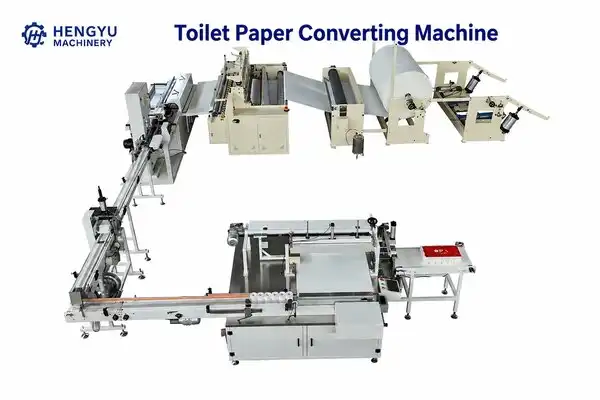
In 2026, selecting the right Toilet Paper Converting Machine means finding equipment that balances advanced automation, operational reliability, and flexible customization to meet diverse production needs. Modern tissue-converting systems transform massive jumbo rolls into precisely finished consumer products through integrated rewinding, embossing, perforation, and cutting processes. Leading manufacturers now offer complete production line solutions that address critical pain points—minimizing material waste, ensuring consistent roll quality, and reducing labor dependency—while meeting international certification standards. This comprehensive guide helps you navigate technical specifications, market options, and procurement strategies to make confident investment decisions that drive profitability and production excellence.
Understanding Toilet Paper Converting Machines: Process, Types, and Benefits
What Defines a Modern Converting System?
A Toilet Paper Converting Machine is the link between raw parent rolls and cleaning goods that are ready to sell. These high-tech systems can handle jumbo rolls that are up to 2500 mm wide and 1500 mm in diameter. They do this by processing them through mechanical stages that work together. The unwinding section carefully controls tension to keep the web from breaking. Embossing units, which come in steel-to-rubber or steel-to-steel configurations, add texture and make the product softer. With a pitch error of no more than 2mm, perforation machines make exact tear lines at standard intervals, usually 110mm. The rewinding device then makes final rolls with diameters between 40 mm and 180 mm, so they can be used for both cored and coreless production.
Modern equipment for converting uses PLC-based control systems with easy-to-use touch screen interfaces to let operators change parameters. Automation cuts down on the time needed to set up and train people on how to use these machines, so even new businesses that don't have a lot of technical know-how can use them. The combination of servo-driven and pneumatic tension control parts ensures stable performance across a range of paper grades, from 13 to 22 grams per square meter.
Core Processing Stages Explained
The process of changing starts with placing the parent roll on unwinding rods that have pneumatic core expansion. As the paper web goes into the embossing station, tension sensors keep an eye on it to make sure it stays stable. At the embossing station, synchronized rollers print patterns and laminate multiple plies as needed. Next, precision slitting blades cut the edges to exact widths, and perforation knives make tear points that are evenly spaced and set the size of each sheet.
The most important part of quality control is the rewinding stage. To meet store packing standards, finished rolls must have the same density and diameter within ±1mm of each other. This is done by closed-loop tracking of the diameter and automatic speed change in more advanced machines. Tail sealing devices use controlled amounts of adhesive to hold the upper sheet in place without making it harder for consumers to remove the first sheet. The finished logs are then sent to log saws, which cut them into rolls that are the right length for stores. The rolls are then automatically taken to stations for packaging.
Operational Advantages for Different Business Models
Adopting modern converting technology leads to measurable improvements in a number of performance areas. Operating speeds of up to 200 meters per minute make production more efficient by greatly increasing output compared to semi-automatic or human options. Precise tension management that cuts down on web breaks and edge waste increases material utilisation and has a direct effect on cost per finished unit.
It becomes possible to repeat and check that the product is consistent. Each final roll has the same number of sheets, spacing between perforations, and structural stability, which cuts down on customer complaints and returns. Another important benefit is that it saves energy. Frequency inverter technology and smart motor control make it possible to use only 45 to 65 kWh of power per tonne of changed tissue. These operational benefits mean that investments get their money back faster and companies are more competitive in both domestic and international markets.
2026 Market Overview: Top Toilet Paper Converting Machines and Brand Insights
Evaluating Leading Equipment Categories
There are three main types of Toilet Paper Converting Machines on the market in 2026: entry-level machines that are good for factories that are just starting out, mid-range systems that are made to add to existing capacity, and high-end industrial converters that are made for high-volume production. Entry-level types usually have semi-automatic operation with manual width control and standard perforation patterns. They work reliably and don't cost too much. These machines are perfect for entrepreneurs who want to start their own tissue brands in emerging markets where capital is tight and production volume is important.
Better automation features are added to mid-range tissue paper converting machines, such as touch screen controls, automatic core loading, and length settings that can be programmed. With these systems, makers can switch between different product standards without having to do a lot of mechanical reconfiguration. Having the ability to make both cored and coreless products opens up more market possibilities, since big buyers are asking for coreless forms more and more for environmental reasons.
High-end industrial converters have advanced features like servo-driven stamping synchronization, automatic web splice systems, and built-in quality tracking that make them very productive. These tools work great in store manufacturing settings with a lot of products. Embossing patterns and multi-ply construction make products stand out, which builds brand value. Their strong construction with 20mm steel plate mainframe frameworks makes sure they work smoothly even when production plans are constantly changing.
Key Manufacturer Capabilities and Certifications
Reputable companies that make tissue machines set themselves apart by offering full-service environments that go beyond just selling tools. Leaders in the industry keep up global networks of spare parts, offer remote diagnostic help, and do installation and training on-site. CE and ISO 9001 certifications show that a company follows international standards for quality management and safety. These are necessary credentials for buying equipment across borders.
Another important difference is the ability to customize. Leading providers can meet the needs of both OEM and ODM customers by changing machine sizes, control system languages, embossing roller designs, and even branding elements to fit the needs of each market. This adaptability is especially helpful for wholesalers who serve more than one regional market or for producers who make private-label goods for a wide range of store partners. Experienced manufacturers also offer turnkey factory planning services, which include choosing the right equipment for full production lines, such as systems for handling parent rolls and machines for packaging finished goods.
How to Choose the Right Toilet Paper Converting Machine for Your Business?
Matching Equipment Specifications to Production Goals
Before choosing a Toilet Paper Converting Machine, know your operational settings. Startup firms who wish to sell their products locally and make 20 to 50 tonnes per day should prioritize machines that are easy to use, have full training support, and are reliable over those with the fastest speeds. The HY-2500 is the best in this group due to its 200 m/min operating speed, easy-to-use touch screen controller, and 2.5-tonne steel frame for smooth operation.
Manufacturers need technology that works with their present production processes to enhance output capacity. Evaluation equipment should be compatible with your parent roll standards, able to create multiple sizes of completed products without many changeover processes, and energy efficient to reduce running expenses. Production can accommodate retail and institutional formats with machines that can handle parent roll widths up to 2500mm.
Large-scale producers should carefully review continuous operation technological details. Quality mainframe structure, bearing specifications, and embossing roller materials determine maintenance intervals and long-term dependability. PLC control allows workers to identify the ideal speed settings for different paper kinds, increasing output while maintaining quality across a wide variety of raw material qualities.
Financial and Logistical Considerations
The total cost of ownership of tissue converting machine is much higher than the price of the machine itself. Check the warranty to see what it covers. Reliable makers offer at least a one-year warranty, with the choice of an extended service contract. Check the supply of spare parts and how long it will take to send them, because production delays have a direct effect on income. Machines that use standard parts that are common across all types of industrial equipment usually have easier access to parts in the long term than machines with custom designs.
When doing business internationally, you need to think about more things than just shipping operations, clearing customs, and making sure that trade laws are followed. Experienced providers provide all the necessary export paperwork, handle freight forwarding, and help with technical certifications in the target country. Flexibility in the payment structure, such as the ability to make payments in stages based on production goals or equipment financing plans, can make managing cash flow for projects that require a lot of capital much easier.
Infrastructure for after-sales support should be carefully looked into. Check to see if there is technical documentation available in English, the ability to troubleshoot remotely through video consultation, and promises of on-site service response. Some makers keep regional service centers or networks of authorized technicians that make it much faster to fix mechanical problems. This ecology of support is often more useful than small changes in the specs of the base equipment.
Optimizing Performance and Maintenance of Toilet Paper Converting Machines
Maximizing Daily Production Efficiency
To get good Toilet Paper Converting Machine performance, you need to pay attention to operating best practices that keep you from getting stuck in common problems. Placing the parent roll correctly ensures even unwinding tension, which cuts down on web breaks that stop production. Before mounting, operators should check that the parent roll is concentric, because eccentric rolls cause changes in tension that affect the accuracy of the perforations and the quality of the final roll. Modern systems have touch screens that let you see important factors like current speed, finished roll count, and active diameter settings in real time.
Quality of perforation has a direct effect on how happy your customers are with your finished goods. The sharpness of the tear lines stays high as long as the piercing knives and spiral rollers are checked regularly. The standard punch line ratio of 3 mm to 1 mm makes clean separation points between sheets without making them weaker. When working with different types of paper, operators may need to change the machine's pneumatic control system to change the perforation pressure to account for the different thickness and tensile strength of the paper.
Another important performance element is the rewinding tension adjustment. Too much tension makes rolls that are too stiff and may break when handled, while not enough tension makes rolls that are too loose and come apart too soon. Modern converting machines can automatically change the tension based on feedback from the diameter. However, manual compression tests should be done on a regular basis to make sure that the settings stay optimal across all of your products.
Preventative Maintenance Protocols
Systematic ordering of repair protects the investment in equipment and stops expensive unplanned downtime. Daily checks should include looking at the embossing rollers to see if there is any debris buildup, making sure the piercing knives are sharp by cutting test pieces, and making sure the pressures in the hydraulic system are correct. Following the manufacturer's instructions for lubricating bearing assemblies and chain drives—usually once a week for high-speed operations—keeps the machinery running smoothly and stops it from wearing out too quickly.
As part of the monthly maintenance, electrical connections are checked, the status of the PLC batteries is checked, and the touch screen is calibrated. When the rollers for embossing aren't lined up right, they make patterns that aren't symmetrical, which makes the product look bad and can cause web tracking problems. The spiral roller and surface knives on the piercing device need to be sharpened or replaced every three to six months, based on how much paper is used and how rough it is. Tungsten steel parts last longer.
Full inspections every three months should keep track of the most worn-out parts so that they can be replaced before they break. Some important parts are tension roller surfaces, rewinding shaft bearings, core feeding mechanism parts, and air cylinder seals. Keeping detailed service logs creates a useful performance history that tells you the best time to replace parts based on your operating conditions and the material's properties. This will eventually extend the general life of the machine beyond the standard warranty period.
Procurement Insights: Pricing, Customization, and After-Sales Support
Understanding Investment Ranges and Value Factors
The price of a Toilet Paper Converting Machine depends on its technical specs, amount of automation, and support services that come with it. Entry-level systems that work partially automatically and come with standard configurations are often good places for new companies to start. The main functions of these machines are reliable: they can rewind, perforate, and cut, and the width and length sets can be changed by hand. While mid-range equipment with PLC control, touch screen interfaces, and automatic core feeding commands costs more, it greatly cuts down on the amount of work that needs to be done and the time it takes to set up between production runs.
Premium industrial converters earn their place at the top by offering advanced features like servo-driven embossing synchronization, automatic web splice, and built-in quality tracking systems. When used in high-volume settings where small gains in efficiency and less waste add up to big savings over time, these tools are a good value. When comparing different offers, carefully look at the parts that are included. For example, some sellers list the price of the base machine without including important extras like embossing rollers, piercing knives, and spare parts kits.
Customization needs affect how much the end project costs, but they also provide strategic value. Making OEM changes to fit different parent roll sizes, adding special embossing patterns to help brands stand out, or adding multilingual control interfaces for international operations are all investments that make a business more competitive in the market. Manufacturers with a lot of experience give detailed customization quotes with clear lead time implications. This lets you make an informed choice between standard and customized equipment configurations.
Service Agreements and Long-Term Partnership Value
Comprehensive support systems after the sale are what set premium equipment suppliers apart from transactional ones. Standard one-year warranties should cover both parts and labor, and the terms should make it clear what parts are covered, how long you have to respond, and how the service will be delivered. If you choose an extended warranty or an annual maintenance contract, you can plan your budget for ongoing service costs and often get special access to expert help and lower prices on spare parts.
Installation and teaching services are very important for success, especially for businesses that are new to tissue converting. For optimal performance, it is recommended to have a professional install the machine and make sure it is properly positioned, connected to utilities, and calibrated at the start. Hands-on training for operators that includes basic troubleshooting, regular repair, and routine operation speeds up production and keeps costly mistakes from happening during the learning phase.
Ongoing technical support skills should be carefully looked over. Remote diagnostic services, like videoconferencing and access to machine control systems, let problems be fixed quickly without having to drive and pay for time and money. When it's time to replace a part, suppliers who keep full inventories of spare parts with clear records of their availability and shipping schedules keep production running smoothly. This support system decides how often the equipment works and how consistently the production is done. It is therefore an important procurement factor along with technical specs.
Conclusion
To choose the best Toilet Paper Converting Machine in 2026, you need to find a balance between technical performance requirements and full supplier support and the ability to make changes as needed. Modern machines like the HY-2500 show how well-thought-out engineering can meet the needs of a wide range of market segments, from new businesses just starting out to manufacturers that are growing. These machines have a 200 m/min operating speed, easy-to-use touch screen controls, and the ability to produce with or without cores. Choosing partners who offer full solutions, including installation, training, upkeep support, and easy access to extra parts, is just as important for success. You can make sure your tissue paper business stays profitable and competitive in the market by carefully weighing your production goals, operational context, and long-term service needs against the capabilities of existing tools and the credentials of potential suppliers.
FAQ
What Distinguishes Slitting from Rewinding Functions?
Slitting is the precise cutting process that cuts the edges of parent rolls to the exact sizes needed for finished products. This process gets rid of the selvage and leaves clean sides for consumer goods. Transferring paper from large parent rolls to smaller-diameter cores while keeping tension and density constant is what rewinding is all about. Both functions are now done by modern machines that work together in synchronized systems. However, each function is responsible for a different quality measure; slitting checks the accuracy of the dimensions, while rewinding checks the structural stability of the final rolls.
Can Converting Machines Process Recycled Paper Grades?
Can Toilet Paper Converting Machines work with recycled paper grades? Modern tools for making tissue can work with different types of paper, including recycled fiber material, which is usually between 13 and 22 grams per square meter basis weight. Different grades of recycled paper may have more variations in tensile strength and surface texture compared to grades made from virgin pulp. This means that the embossing pressure and perforation settings need to be changed. Machines that use PLC control and air tension management can easily adapt to these differences in materials. This helps keep production quality uniform across a wide range of fiber sources and supports product positioning that is focused on sustainability.
How Does Coreless Production Technology Work?
Coreless roll production gets rid of the cardboard tube that is usually used as a winding mandrel. This saves money on materials and appeals to people who care about the environment. Specialized coreless connectors make a stronger paper core by winding the first layers very tightly. This gives the structure enough strength for the next layer to be wound and for handling the product. With PLC and pneumatic control built into the HY-2500, coreless functionality is built in. This means that workers can switch between cored and coreless forms by changing settings in the control system instead of having to do a lot of mechanical reconfiguration. Because of this, manufacturers can serve a wide range of market segments from a single set of equipment.

Partner with HENGYU for Your Tissue Converting Success
Henan Hengyu Machinery Co., Ltd. brings over two decades of specialized expertise in tissue paper production equipment, positioning us as your reliable Toilet Paper Converting Machine manufacturer for complete factory solutions. We know how hard it is for new factory investors, manufacturers who are growing, and international distributors. That's why our HY-2500 model has been tested and proven to work, offering 200m/min speed, easy operation, and a variety of production formats from a single sturdy platform. Our CE and ISO-certified machines are shipped all over the world, and we offer full installation support, training programs in multiple languages, and free technical support for life at doris@hytissuemachine.com. Our tech team works together to create solutions that help you get into the market faster and get the most out of your investment, whether you need standard configurations or specs that are specific to your area. Get in touch with us right away to get full technical specs, production samples, and a personalized consultation on how to set up the best tissue conversion process for your needs.
References
1. Tissue World Magazine. (2025). "Global Tissue Converting Technology Trends and Market Analysis." International Tissue Industry Publication.
2. Smithers Pira. (2025). "The Future of Tissue Converting Equipment to 2028: Market Forecasts and Technology Development." Market Intelligence Report.
3. Paper360° Magazine. (2024). "Advanced Automation in Tissue Converting: Efficiency Gains and Quality Improvements." Technical Association of the Pulp and Paper Industry.
4. Nonwovens Industry Magazine. (2025). "Tissue Paper Converting Machinery: Comparative Analysis of Leading Global Manufacturers." Rodman Media.
5. Pulp & Paper International. (2024). "Sustainable Tissue Production: Equipment Selection for Environmental Performance and Cost Efficiency." Brussels Media Group.
6. Converting Quarterly Magazine. (2025). "Technical Standards and Quality Control in Modern Tissue Converting Operations." Association of International Metallizers, Coaters and Laminators.

There is one question that new plant owners and manufacturers who want to grow always ask me when they are thinking about buying tissue converting equipment: how many rolls can we really make in a day? A well-set-up automatic toilet paper making machine can usually make between 12,000 and 28,000 finished rolls per day, based on the size of the rolls, the number of layers of paper, and the speed at which they are made. Knowing about these factors helps you match the skills of your tools with the needs of the market and your goals for making money.
Understanding the Production Capacity of Automatic Toilet Paper Machines
Production capacity isn't just a number on a spec sheet; it's the result of how well the machine is designed, how good the raw materials are, how skilled the workers are, and how well the production process is run.
Machine Speed and Its Impact on Daily Output
The speed of the machine, which is given in meters per minute, is the basis of your production estimate. The speed that the HENGYU HY-3000 type is supposed to go is 280 meters per minute. When you figure out your daily output, you need to take into account the width of the end roll you're making. A base paper usually takes up about 20 meters for a normal 100 mm diameter roll with 200 sheets. If it keeps running at its best speed, this equals about 840 rolls per hour, or more than 20,000 rolls in 24 hours. However, setup time, roll changeovers, and small changes are all part of real-world production, so makers usually only reach 75–85% of their theoretical maximum capacity when things are running normally.
Roll Size Variations and Their Effect on Volume
How many units you make each day depends a lot on the width of your finished product. Smaller diameter rolls (50–80 mm) use less paper per unit, so you can make more of them—sometimes more than 28,000 rolls per day. Larger diameter goods (120–180 mm), which are popular in business and institutional markets, often have higher wholesale prices but lower daily unit count. The HENGYU production line can handle finished roll widths ranging from 40 mm to 180 mm, and it can be customized to make giant rolls. Because of this, you can cater to different types of customers without having to buy a lot of tools.
Raw Material Quality and Production Stability
The quality of the base paper has a direct effect on how well your production goes. Paper with irregular GSM (grams per square meter) or moisture content breaks the web, which means that the line has to be stopped and the material has to be rethreaded. The base paper for HENGYU machines can be anywhere from 13 to 22 g/m² and has anywhere from 1 to 3 layers. As long as the quality stays the same within this range, your real output will be close to your theoretical maximum. As important as choosing the right equipment is, I've seen companies lose 15 to 20 percent of their possible production just because they didn't choose the right raw materials.
Key Features Influencing Output Efficiency
Modern equipment for changing tissues uses technologies that greatly cut down on downtime and keep quality stable over long production runs.
Advanced Automation and Control Systems
How quickly workers can fix problems and change settings depends on how your machine is controlled. HENGYU combines PLC control with touch screen HMI interfaces, which let changes be made to the rewinding speed, piercing pitch, and air pressure in real time without stopping production. The system has a paper break recognition feature that stops the motors right away when it feels a web failure. This stops material waste and possible equipment damage. With this amount of automation, one trained worker can run the whole line, which saves a lot of money on labor costs compared to semi-automatic options.
Each function—rewinding (2.2kW), piercing and stamping (4kW), log cutting (0.37kW), edge trimming (0.75kW), and paper stand operation (2.2kW per stand)—has its own motor drive, which makes it possible to precisely control each step of the process. When one function needs to be adjusted, other functions keep running properly, so work stops as little as possible.
Multi-Functional Integration for Continuous Production
Here are the main benefits of combined production lines that will have a direct effect on how much you make every day:
- Automatic Core Feeding: This feature gets rid of the need to place cores by hand, which cuts down on the time it takes to switch between logs and keeps the production rhythm steady throughout shifts.
- Embossing and Perforation Synchronization: The spiral perforation system and steel-to-wool roller embossing unit work at the exact same time, making sure that every sheet has the same design and tears correctly.
- Pneumatic Pressure Control: Automatic tension adjustments made during the rewinding process keep the density of the rolls constant, avoiding loose rolls that fail quality checks and need to be fixed.
- Integrated Trimming: Edge waste is removed all the time, which keeps the work area clean and cuts down on the time it takes to move materials.
The gaps between output processes are kept to a minimum by these built-in functions. In companies that still use semi-automatic equipment, I've seen that doing things by hand causes 3–5 minute delays every hour. By automating these tasks, you can get rid of these delays and make about 2,000 to 3,000 more rolls every day.
Energy Efficiency and Operational Cost Management
Even though the HENGYU production line can make a lot of things, it doesn't use a lot of power overall. With smart motor size and frequency inverter control, you can be sure that energy costs will stay stable even when production is at its highest. When you're playing in places that care a lot about price, having lower operational costs makes your per-unit profits much bigger. You can change prices without losing margin when you use equipment that runs at high speeds while using less power.
Comparing Automatic Toilet Paper Machines: Daily Production and Other Factors
When you know how different kinds of tools work, you can make investments that fit your business plan and help it grow.
Automatic vs. Semi-Automatic vs. Manual Equipment
When you look at output over weeks instead of hours, you can see the difference in how consistently different types of tools produce. Both manual and semi-automatic lines need constant attention from the operator, and the output changes a lot depending on how skilled and tired the operator is. When I worked with makers, they said that daily changes in semi-automatic equipment production of 30 to 40 percent were caused by staff changes between shifts.
Automatic toilet paper making machines like the HY-3000 keep the output constant no matter how experienced the person is. Timing, pressure, and speed connections are handled by the machine's programming, so workers can focus on managing raw materials and keeping an eye on quality. When you've agreed to shipping times with wholesalers or store chains, this consistency is very important.
Saving time and money on labor is another big benefit. Most semi-automatic lines need three to four workers per shift, but a fully automatic system only needs one trained technician to work well. This difference will save you a lot of money over the course of a year, which will speed up your return on investment.
Evaluating Investment Against Production Requirements
When you match the capacity of your tools to the size of your market chance, you avoid both underutilization and production bottlenecks. If you're going into a regional market where daily demand is likely to reach 15,000 rolls, buying tools that can handle 25,000 rolls or more gives you room to grow and lets you take advantage of unplanned chances. When you buy more than you can distribute, on the other hand, you tie up cash that could be used for marketing, inventory, or building changes.
Because each customer has a different target market, open shifts, and distribution networks, HENGYU helps them predict different possible outcomes. This process of planning helps you figure out not only what the machine can theoretically make, but also what amount of output makes the most sense for your case.
Maintaining Optimal Production: Tips to Maximize Daily Output
The ability of automatic toilet paper making machines is important, but operational discipline is what decides whether you reach the production levels that your investment offers.
Systematic Maintenance Protocols
If you want steady output, you have to do preventative upkeep. An organized method includes checking for wear every day on key areas, lubricating drive parts once a week, and calibrating pneumatic systems once a month. In particular, the piercing blades need to be checked often because dull blades cause ragged tears that make customers unhappy and lead to more product returns. Instead of waiting for quality to start to decline, I suggest setting up a repair plan based on output volume.
With every system, HENGYU includes a full care guide that spells out exact times and steps to take. By following these suggestions, you can avoid the sudden breakdowns that can cost you thousands of rolls of paper in lost production and hurt your image with customers who count on on-time deliveries.
Operator Training and Process Optimization
Your equipment investment will only be fully utilized when the people who work on it fully comprehend both the basic systems and the principles of production optimization. People who have been trained can spot problems early on, like noises that don't seem right, uneven roll density, or perforation alignment drift, and fix them before they stop the queue. As part of the system installation process, HENGYU includes full training on how to use the system, fix simple problems, and do regular upkeep.
Process optimization is more than just running machines; it also includes things like moving raw materials, planning output, and improving the way quality checks are done. By looking at production data, you can find trends that affect output. For example, maybe some types of raw materials lead to more breaks, or maybe production efficiency drops during certain shifts. Getting rid of these patterns will bring your daily output closer to your ideal maximum capacity over time.
How to Choose the Right Automatic Toilet Paper Machine Based on Your Production Goals
To choose tools that meet the needs of your business, you need to look at more than just the maximum speed.
Defining Your Production Capacity Requirements
First, figure out what the actual desire is, not what you think it should be. Find out how many rolls you can sell successfully by looking at your price strategy, how you distribute your products, the size of your market, and your competitors. Plan for small amounts of growth, like 20–30% over three years, to make sure that your tools won't get in the way as your business grows.
Include a range of products. More and more, markets want a range of roll sizes and sheet numbers. With automatic toilet paper making machines like HENGYU's HY-3000, which can handle finished roll sizes from 50 mm to 180 mm and hold one to three layers of paper, you can serve a wide range of customers without having to buy more equipment. This adaptability is especially helpful when you're building a new brand and still figuring out which product features your target market will really like.
Critical Selection Criteria Beyond Production Speed
Even though output ability gets a lot of attention, other things have a much bigger effect on how happy you are with your tools in the long run. The quality of the construction decides how reliable something is. HENGYU's 30 mm thick wall panel structure gives it the strength it needs to keep working well even when it's being used nonstop. How often the machine works without problems and how often you have to fix problems is affected by the gas systems, computer controls, and drive parts.
Warranty covering and customer service after the sale should be carefully looked at. HENGYU offers a quality warranty for one year and technical support for life. However, you should find out how quickly they can answer technical questions, if spare parts are available, and if they offer online diagnostics. Every hour that your equipment is down costs you money, so the quality of your provider help has a direct effect on your ability to make money.
Compliance approval is important, especially if you're making things for places that have strict rules. HENGYU equipment meets CE and ISO standards, so you can be sure that your factory meets safety and quality standards around the world. You need this license if you want to ship finished goods or if your customers want to make sure that your production standards are met.
Understanding the Procurement and Installation Process
Working with a maker with a lot of knowledge speeds up the process from asking for a quote to making something. HENGYU starts by getting to know your unique needs, such as the amount of work you need to be done, the specifications of the product, the limitations of your building, and your budget. This consultation step makes sure that the suggested setup really meets your needs and isn't just what the seller normally offers.
When you buy directly from the factory, you avoid the markups that come from middlemen and are sure to get accurate technical information and good support after the sale. HENGYU takes care of foreign operations, helps with installation, and trains operators to make sure the start-up goes smoothly. This all-around method lowers the risk that usually comes with buying big pieces of equipment, especially for business owners who are just starting out in the tissue field.
Conclusion
The daily production capacity of automatic toilet paper making machines depends on machine design, operation, and planning and relies on how the machine is designed, how it is used, and how well it is planned. Knowing how machine speed, roll specifications, and production efficiency work together can help you set realistic goals for output and buy the right tools. The HENGYU HY-3000 has the speed, dependability, and adaptability to serve a wide range of markets while keeping the quality that makes customers loyal. You can reach production levels that allow for profitable growth in the tough tissue market by focusing on both the power of your tools and the quality of your operations.
FAQ
What production volume should I expect from a standard automatic toilet paper machine?
Depending on the width of the roll, the number of layers of paper, and the speed at which it works, standard automatic toilet paper making machines can make anywhere from 12,000 to 28,000 finished rolls per day. When it's set to its maximum speed of 280 meters per minute, the HY-3000 model makes rolls with a normal 100 mm width at the higher end of this range. Actual output relies on how skilled the operators are, how good the raw materials are, and how well the machines are maintained. Well-run businesses usually reach 75 to 85% of their theoretical maximum capacity.
Can I increase production without purchasing new equipment?
In many cases, operational optimization can lead to big increases in output. Unexpected downtime is less likely to happen when you do thorough regular maintenance. Improving the quality of the raw materials cuts down on web breaks that stop production. Improving operator training helps people deal with small problems faster, before they get worse. Some robotic parts can be made more efficient without having to buy a whole new machine. For example, the paper brake recognition system can be made better, or the tension control can be made better.
How does raw material quality affect daily production numbers?
The consistency of the base paper has a huge effect on the real work that is made. When GSM, moisture content, or fiber structure is not stable, the web breaks often, and the line has to be stopped to rethread. When compared to production using regular, high-quality raw materials, these breaks can cut daily output by 15 to 20 percent. Getting paper from reputable sources and building trusting relationships with them is often more profitable than trying to save money by using cheaper materials.
Partner with HENGYU for Your Tissue Production Success
Henan Hengyu Machinery Co., Ltd. has been helping companies around the world set up profitable tissue turning businesses for more than 20 years. Our HY-3000 Automatic Toilet Paper Making Machine is the result of all of this work. It has strong engineering, easy-to-use settings, and reliable performance that means it consistently makes toilet paper every day. Our team has the technical know-how and ongoing support to turn your equipment investment into a business success, whether you're a new plant owner looking for a full turnkey solution or an existing maker ready to increase capacity.
We invite you to connect with our specialists to discuss your specific production goals. Contact doris@hytissuemachine.com to request detailed technical specifications, production calculations customized to your requirements, and factory-direct quotations. As an established automatic toilet paper-making machine manufacturer, we're committed to delivering not just equipment but comprehensive solutions that include installation, training, and lifetime technical support. Let's discuss how HENGYU can help you achieve your production targets and build a thriving tissue business.

References
1. Smith, J. & Anderson, M. (2023). Industrial Tissue Converting: Equipment Selection and Optimization Strategies. Manufacturing Technology Press.
2. Chen, L. (2024). "Automation in Tissue Production: Efficiency Gains and ROI Analysis." Journal of Paper Converting Technology, 18(2), 45-62.
3. International Tissue Association. (2023). Global Tissue Market Report 2023: Production Trends and Equipment Analysis. ITA Publishing.
4. Rodriguez, C. (2024). Complete Guide to Tissue Paper Manufacturing: From Raw Materials to Finished Products. Industrial Press Inc.
5. Williams, R. & Zhang, H. (2023). "Maintenance Protocols for High-Speed Tissue Converting Equipment." Maintenance Engineering Quarterly, 31(4), 78-91.
6. European Tissue Symposium. (2024). Tissue Production Efficiency Benchmarks: Comparative Analysis of Equipment Technologies. ETS Technical Publications.
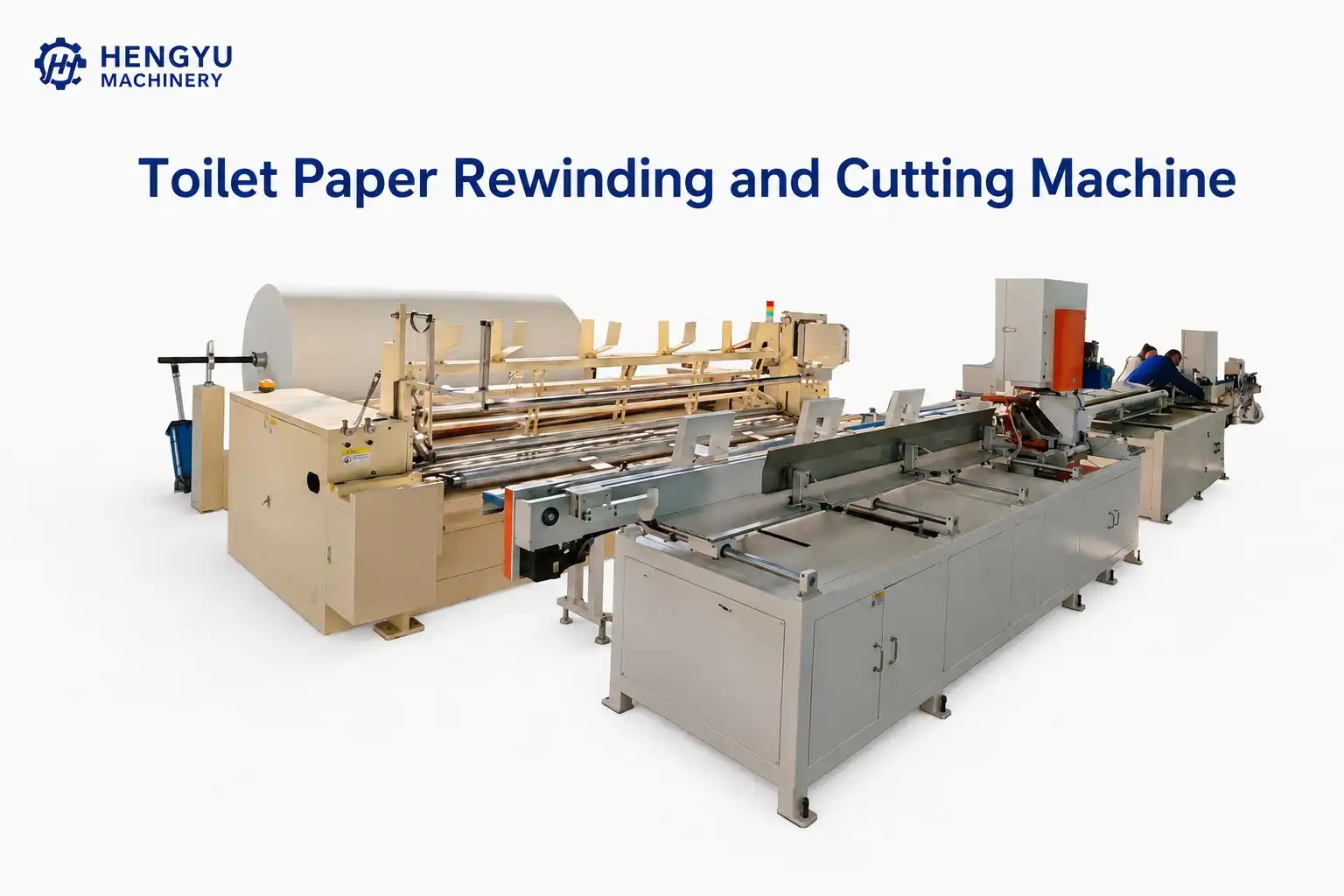
An automatic toilet paper making machine is a complete production system that uses synchronized technology to turn big rolls of toilet paper into finished market goods. Unwinding, rewinding, stamping, perforating, cutting, and sometimes packing are all done at the same time during the process. By using PLC control systems and touch screen interfaces, these tools keep the standard of the products consistent while requiring less human input. The automatic toilet paper making machine gets rid of common production problems like unreliable roll tension, uneven perforation spacing, and wasted material. In today's competitive tissue market, makers need this machine to get consistent output and low costs.
Understanding the Working Principle of Automatic Toilet Paper Making Machines
Precision engineering is needed for modern tissue conversion to make large quantities of uniform goods. Knowing how these systems work helps people who work in buying figure out which setups will help them reach their production goals.
Raw Material Loading and Tension Control
Putting parent rolls on air-filled arms is the first step in the production cycle. These big rolls, which can be up to 1500 mm across and weigh several hundred kilograms each, are fed into the machine by unwind stands that can be adjusted. There are different 2.2kW motor drive systems in each stand, which let operators set speed and tension separately through a touch screen. During high-speed operation, which can reach up to 280 meters per minute on more advanced models, tension sensors constantly watch the flow of paper to make sure that the web doesn't break.
With manual handwheels, the paper web can be precisely placed on its side, making sure it is straight before it goes into the rewinding area. When the parent roll runs out, paper break recognition systems let workers know right away so there is as little downtime as possible. The unwind belts keep a firm grip on the paper without hurting the delicate fibers. They can handle paper weights ranging from 13 to 22 grams per square meter in single- or multi-layer formats.
Embossing and Perforation Process
The paper web is unwound and then sent through the engraving unit, where two rollers that spin anticlockwise add structure. Combinations of steel-to-wool or steel-to-rubber rollers make designs that look nice while also making the fabric thicker and softer. This stage has 4kW-rated independent drive motors that let workers change the embossing level without stopping the production line. Custom engraving on steel wheels can add brand names or unique patterns to help customers tell goods apart in stores.
After being embossed, the web goes through a piercing device that has one spiral knife roller and six surface knives. The bottom roller stays in place thanks to pneumatic pressure, which makes clean tear lines at regular intervals. The standard hole size is 110 mm, and there is only a 2 mm error range. This makes sure that sheets are separated evenly for end users. The 4 mm cutting to 1 mm gap hole ratio gives the material enough strength while still making it easy to tear. To work with different types of paper, operators can change the cutting position by hand instead of having to reconfigure the machine.
Rewinding and Core Insertion
The web with the holes and raised areas then goes to the part for rewinding and wraps around paper cores. Automatic core filling systems put tubes on the rewinding shaft with inner sizes ranging from 30 to 50 mm. Adjusting the pneumatic pressure controls how tight the final roll is, keeping the widths between 50 mm and 180 mm in line with market standards. With the touch screen, operators can exactly set the length of the roll, and the system will stop at the right amount.
The main shaft is driven by 2.2kW rewinding motors that stay in sync with the unwinding speed thanks to frequency inverter control. This coordination stops changes in tension that could make rolls too loose or too tight. Food-grade glue is used by the tail-sealing system to keep the final wrap in place, so it doesn't come apart during travel and handling. Coreless roll production is also possible with PLC and air control changes, which works for markets that prefer coreless goods.
Cutting and Trimming Operations
When the rewinding is done, pneumatic arms move the log to the cutting station. Rotary saw blades with 0.37kW motors cut the log into finished rolls of different lengths that have been set. Edge trimming motors with a power rating of 0.75kW remove uneven edges at the same time, making sure that every roll has clean edges. Trimmed waste is collected individually so that it can be recycled or thrown away. This cuts down on material loss generally.
Protective covers that meet international safety standards keep the user from coming into contact with the moving blades during the whole cutting process. There are emergency stop keys all over the machine that can be used right away if something goes wrong. Once the rolls are cut, they can go to places where they are packed by hand or be connected to automatic wrapping tools to make the whole process automatic.
Types of Automatic Toilet Paper Making Machines and Their Applications
In different production scenarios, an automatic toilet paper making machine must be configured in specific ways to match operational requirements. Knowing about these differences helps buyers choose equipment that fits the size and range of their operations.
High-Speed Industrial Conversion Lines
High-capacity systems that can make more than 3,000 rolls per hour are used by large producers that work with store chains. The biggest parent roll that these tools can handle is 3000 mm wide, and they can also handle giant rolls that are 1500 mm in diameter. With multi-layer flexibility, high-quality two- or three-ply goods can be made without switching lines. Using 30 mm-thick steel to build wall panels makes sure they will stay stable during 24-hour operation, which is important for keeping supply promises.
Advanced automation is built into industrial models, such as automatic core feeding, constant perforation tracking, and quality control sensors that are built in. The HY-3000 model is a good example of this type; it has a design speed of 280 meters per minute and fine air diameter control. These tools work well for companies that want to prioritize speed and quality for private-label products sold in supermarkets or big contracts with institutions.
Medium-Capacity Regional Production Systems
Machines that are flexible and balance technology with reasonable investment are good for medium-sized businesses. Most of the time, these systems work with parent rolls that are 1500mm to 2500mm wide and make final rolls that are 40mm to 180mm in diameter. By moving between steel-wool and steel-rubber setups, customizable embossing units let you change the texture of the product based on what the market wants.
Regional makers like that there are separate motor drives for each function, such as rewinding, piercing, embossing, cutting, and trimming. This lets them operate only certain functions while they are doing maintenance or fixing. Touch screen HMI interfaces make training easier for workers with less experience, which speeds up the learning process when the workforce grows. The small machine, which is about 5900 mm long, 4539 mm wide, and 1800 mm high, can fit in normal industrial spaces without the need for facility changes.
Specialized Product Lines
There are shops that need tools that are set up to handle different kinds of tissue, not just toilet paper. To make bigger sheets, kitchen towel rolls need to be wider, and the spaces between the holes in them need to be longer. Toilet paper machines don't have folding processes like facial tissue machines do, but the basic ideas behind rewinding and embossing are still the same. Cutting dies are added to serviette machines so that continuous webs can be cut into square shapes.
When companies want to offer a wider range of products, they look at tools that can change formats quickly and with little downtime. This is possible with modular embossing rollers and customizable perforation gear sets. When procurement teams know about these specialized uses, they can decide whether it's better for their business goals to invest in specific lines or flexible multi-product systems.
Comparing Automatic Toilet Paper Machines with Alternative Solutions
When you look at production methods with an open mind, you can see what the real difference between fully automatic systems and traditional methods is.
Fully Automatic Versus Semi-Automatic Systems
Operators have to add cores, check tension, and take out finished logs by hand on semi-automatic machines. The cost of capital is smaller at first, but labour costs add up quickly, especially in areas where wages are going up. Variations in roll thickness and perforation placement caused by human factors make production less consistent. These worries are taken care of by fully automatic systems that use air core feeding, sensor-based tension adjustment, and pre-programmed cutting routines.
There are big changes in throughput. Most semi-automatic lines make between 1,000 and 1,500 rolls per hour, while fully automatic systems can make more than 3,000 rolls per hour in ideal circumstances. This difference in productivity directly affects the cost of production per unit, and the higher equipment investment is usually paid for within 18 to 24 months of running continuously. The difficulty of maintenance is about the same for both types because the main wear parts—blades, belts, and rollers—need the same amount of care no matter the level of automation.
Automatic Toilet Paper Machines Versus Manual Operations
Hand-cranked rewinding and mechanical piercing stamps are two manual converting methods that are still common in small workshops. These methods work best in situations with very little volume or in places where labor costs are low. But the quality of the products changes a lot, which means that manual processes aren't good for brands that want to sell their products in stores or in export markets where quality standards are very strict.
Automatic toilet paper making machines can make patterns with perfect density, exact perforation spacing, and no flaws in the embossing that can't be done by hand. There have also been big gains in safety. For example, enclosed blade guards and emergency stop systems make the workplace safer than when hand-cutting tools were left in the open. Environmental compliance also supports automation, since modern machines can track how much energy is used and how much trash is made, making it easier to file the reports that are needed for sustainability permits.
Market Overview of Leading Suppliers in 2024
China, Italy, and Germany are where most of the world's well-known makers of tissue machines are located. Chinese providers offer CE and ISO-certified equipment that can be fully customized through ODM and OEM. They control the cost-competitive market. Henan Hengyu Machinery is a good example of this type of company because they offer full turnkey solutions that include training, installation, and expert support for life.
European companies put themselves in the high-end market by focusing on their own stamping technologies and the ability to work at speeds faster than 400 meters per minute. These systems cost a lot more than others, but they might not meet the needs of new companies or producers in smaller towns. It's more important to look at a supplier's export experience, client references, and how quick they are after the sale than just the history of the brand itself, because production efficiency has a direct effect on profits.
Maintenance, Energy Efficiency, and Operational Best Practices
Structured maintenance procedures and operating discipline are needed to keep performance at its best. Not doing regular maintenance on equipment shortens its life and makes it more likely to break down.
Routine Maintenance Schedules
Every day, the belt tightness, oil levels, and sharpness of the blades should be checked. Operators check paper lines for growth of dust that could make web tracking difficult. As part of the weekly schedule, it is necessary to clean the embossing rollers so that the pattern doesn't get stuck and check the air pressure levels to make sure that the core feeds evenly. Every month, maintenance checks piercing knives carefully and replaces surface blades that are worn or dull.
When serviced every three months, lower mechanical parts are checked for things like timing belt adjustment, chain drive lubrication, and motor bearing condition. Annual overhauls give us a chance to do full checks, which can include calibrating the inverter and updating the touch screen interface. Keeping detailed records of all repair tasks helps find problems that keep happening and plan replacements for parts before they stop working and stop production.
Energy Consumption Management
Modern machines have variable frequency drives that change the speeds of the motors on the fly. This lowers the amount of power needed when production is slow. A full production line usually has between 10 and 15 kilowatts of fixed power for all the motors that do the rewinding, perforation, stamping, cutting, and trimming. Running at optimal speeds instead of full capacity can often make things more efficient without lowering output, because less mechanical stress makes parts last longer.
Another thing to think about when it comes to energy is compressed air systems. At minimum pressures of 0.4 MPa, these tools use about 1000 litres of air per hour. Putting in high-efficiency fans with heat recovery systems turns lost energy back into heat for the building. Operators keep a close eye on air leaks because even small loses add up over time and make the business more expensive. Using motion sensors and upgrading to LED lights around work areas can further lower energy costs at the building level.
Troubleshooting Common Issues
Most of the time, uneven roll density is caused by the rewinding arms' air pressure settings being off. This can be fixed in minutes by changing the pressure through the touch screen. Inconsistent hole spacing means that the blade is worn or not aligned properly and needs to be inspected and replaced according to the manufacturer's instructions. Breaks in the paper while unwinding are usually caused by too much stress or broken parent roll edges. This means that rolls need to be carefully checked before they are mounted.
Web tracking problems happen when the unwind stand is not aligned correctly. This causes the paper to move laterally during production. Manually adjusting the handwheel fixes the side positioning, and checking the alignment of the rollers fixes tracking problems that won't go away. Tail-sealing parts don't join completely when adhesive builds up on them. This can be fixed by cleaning them regularly with allowed solvents. Writing down how to solve problems that keep happening builds institutional knowledge, which speeds up response times in the future.
Purchasing Guide for Automatic Toilet Paper Making Machines
When investing in an automatic toilet paper making machine, buyers must balance short-term budget constraints with long-term operational efficiency. A thorough evaluation keeps equipment powers from not matching output goals, which can be very expensive.
Evaluating Production Capacity Requirements
First, buyers figure out how much they want to produce each day based on what they think the market will want. A machine that makes 3,000 rolls an hour makes 72,000 rolls in a 24-hour shift, which is about 2.1 million rolls a month if the machine is up 90% of the time. By matching machine capacity to accurate sales expectations, companies can avoid over-investing in machines with too much capacity or not enough capacity, which can cause problems as demand rises.
Parent roll width determines the range of the end product. Machines that can handle 3000 mm lengths can work with either one large-diameter specialty product or multiple small-diameter rolls that need to be handled at the same time. The finished roll's diameter can be anywhere from 50mm to 180mm, so it can be used in markets around the world where diameter norms vary. Coreless production lets you make a wider range of products without having to buy extra tools.
Assessing Automation Level and Control Systems
Touchscreen HMI interfaces are easier to use than mechanical control panels, which need to be programmed by someone with special skills. PLC-based systems are better at diagnosing problems because they show the state of machines in real time and let workers know about problems before they happen. Each motor has its own frequency converter, which lets the speed be fine-tuned. This makes it possible to find the best production settings for each type of paper.
Pneumatic control systems let you change the rewinding pressure, the core feeding, and the hole contact quickly and easily. Machines that don't have air machinery need more human work, which increases the amount of work that needs to be done and makes it harder to be consistent. Paper break monitoring systems are another important automation feature. When a web fails, production stops right away to avoid loss and damage to the equipment.
Certification and Compliance Considerations
The CE label shows that the product meets European safety and electricity standards, which is necessary for sending the product to many places. ISO 9001 certification shows that a company is dedicated to quality management systems, which is linked to uniform build quality and correct paperwork. Instead of depending only on marketing claims, buyers check these qualifications through official paperwork.
The electrical requirements must fit the power facilities in the area. Making sure of voltage needs, phase arrangements, and frequency compatibility can save a lot of money on changes that need to be made after delivery. Knowing how much compressed air a facility needs can help make sure that its current air systems provide the right amount of pressure and volume, or it can help with planning for extra compressor capacity if that is needed.
Supplier Evaluation Criteria
The export experience of the supplier has a direct effect on the success of the project. Manufacturers with a lot of experience know how to handle foreign shipping, paperwork, and coordinating installations across time zones. By asking for client examples from areas that are similar to your own, you can get an idea of how well a seller does in similar situations. Post-purchase service quality can be seen by looking at expert help features like remote testing and spare parts available.
Launch dates for production are affected by delivery times. Reliable providers give accurate wait times that take into account shipping across borders, manufacturing, and quality control. There may be options for longer service agreements, but most warranties cover production flaws for one year. Knowing what the guarantee doesn't cover, especially when it comes to parts that are used up quickly, like blades and belts, keeps disagreements about which fixes are covered.
Conclusion
It's easier to choose the right tools when you know how automatic toilet paper making machine creation systems work. From precision perforation and air loading to synchronized cutting and quality control, these tools combine a lot of different tasks into a single process. When buyers find the right balance between automation levels, capacity needs, and source stability, they set themselves up for long-term success in manufacturing. Maintenance routines and energy management techniques that are done correctly can extend the life of equipment and keep costs down. As the global tissue market continues to grow, buying approved, reliable machinery from experienced makers is the best way to ensure long-term growth and stay ahead of the competition.

FAQ
How does paper quality affect machine operation?
Tension levels and rewinding factors are greatly affected by the weight of the paper and the type of fibers used. To keep it from tearing, lighter tissue (13 to 15 grams per square meter) needs to be handled more gently, while heavier types can handle more stress when being unwound. The amount of recycled fiber changes the stamping depth because recycled materials don't shrink the same way as new pulp. The operators change the speed and pressure of the air system based on the properties of the paper so that the quality of the output is the same from batch to batch of raw materials.
Can one machine produce multiple finished roll sizes?
With programmable rewinding settings, more advanced types can handle a wide range of diameters, from 50 mm to 180 mm. Touch screen interfaces let workers save more than one production plan and quickly switch between them without having to make any mechanical changes. Changing the core width from 30 mm to 50 mm, on the other hand, usually means replacing the core input parts by hand, which takes more setup time between runs. Checking to see if frequent size changes are in line with what the market wants can help you decide if this freedom is worth choosing the right tools.
What factors influence perforation quality?
It is still very important to keep blades sharp, because old knives have rough edges that make users unhappy. The cutting depth stays the same because the perforated roller and backing roller are in touch with each other through pneumatic pressure. The amount of wetness in the paper affects how it tears. Tissue that is too dry may crack during perforation, while blade building happens when the paper is too wet. Inspection and repair of perforation parts on a regular basis, as specified by the maker, keeps quality from dropping over time.
Partner with a Trusted Automatic Toilet Paper-Making Machine Manufacturer
HENGYU has more than twenty years of experience with tissue machinery and can help new plant investors and makers who are growing reach their production goals quickly. Our HY-3000 model is a great example of the careful engineering and solid building that make tissue converting tools reliable. We offer full turnkey solutions that go beyond just machinery. These include helping with plant layout, supervising installation, teaching operators, and providing technical support for life. Our equipment is certified to CE and ISO standards, and we ship it all over the world with full transport planning. Our engineering team makes solutions that are exactly what you need, whether you need OEM customization for local power needs or ODM branding integration. Get in touch with us at doris@hytissuemachine.com to talk about your production needs with an experienced automatic toilet paper making machine seller who wants your long-term success. Through reliable tools and responsive partnerships, we turn problems in the tissue manufacturing process into practical benefits.
References
1. Chen, L., & Wang, M. (2023). Advanced Automation in Tissue Converting: Technology and Applications. International Journal of Paper Manufacturing Technology, 45(3), 112-128.
2. Industrial Machinery Standards Committee. (2022). Safety Requirements for Tissue Paper Converting Equipment. Global Manufacturing Standards Publication, Technical Report 2022-08.
3. Roberts, J. (2024). Energy Efficiency in Modern Paper Converting Facilities. Sustainable Manufacturing Quarterly, 18(1), 67-82.
4. Zhang, H., Liu, Y., & Anderson, P. (2023). Comparative Analysis of Tissue Production Systems: Manual, Semi-Automatic, and Fully Automatic Methods. Paper Technology International, 51(4), 45-59.
5. European Paper Machinery Association. (2023). Best Practices for Maintenance and Operation of High-Speed Tissue Rewinders. Brussels: EPMA Technical Publications.
6. Kumar, R., & Thompson, S. (2024). Market Trends in Tissue Converting Equipment: Regional Analysis and Supplier Evaluation. Global Tissue Manufacturing Review, 29(2), 34-51.
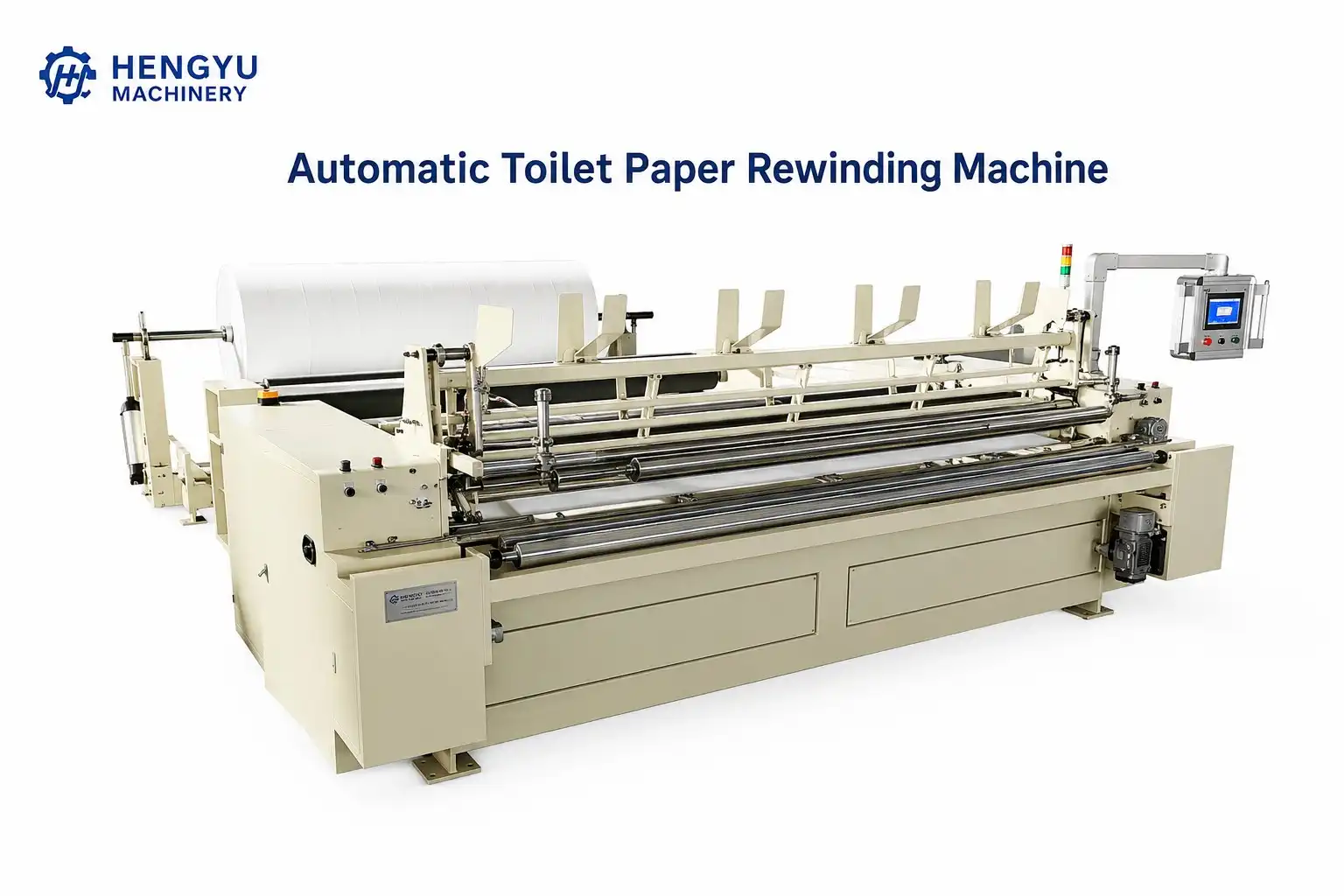
A toilet paper production machine is an all-in-one industrial solution that uses integrated technology to convert big parent jumbo rolls into toilet paper products that are ready for sale. Unwinding, embossing, rewinding, cutting, and packing are all done by these high-tech systems. They simplify processes to solve common problems in production, such as wasteful material use, inconsistent roll quality, and inefficient labor. Modern machines like the HY-1575 model work reliably and can produce up to 2.5 to 3 tonnes per day. They also give manufacturers precise control over the finished product specifications, which makes them necessary investments for both new businesses and established ones that want to improve production.
Understanding Toilet Paper Production Machines What Defines Modern Tissue Converting Equipment
The tools used to change tissues today do more than just cut and roll. These machines have many stages that do different jobs, such as unwinding a jumbo roll, controlling the tension precisely, applying an embossing design, inserting a core tube, perforating, glueing, and finally cutting. This all-in-one method is shown by the HY-1575 model, which has a small 6200x3200x1900 mm size and automatic core feeding and customizable perforation, trimming, and rewinding functions. This combined design cuts down on mistakes made by hand and keeps the quality of the product the same throughout production runs.
Raw Material Processing and Output Specifications
Parent jumbo rolls are the first step in the production process. These rolls can be made from new pulp or recovered fibers, based on the needs of the target market. Original paper lengths can go up to 2200 mm, and a toilet paper production machine can turn materials into final rolls with diameters between 50 mm and 350 mm. Core tube diameters are usually between 30 and 55 mm, and perforation lengths can be changed to suit local buyer tastes. Because of this, producers can serve a wide range of customers without having to buy a lot of different tools.
Operational Workflow From Start to Finish
As the parent roll gets smaller, the unwinding station keeps the same stress on it, sending paper through rollers that make texture patterns that make the paper softer and more absorbent. At precise speeds, the rewinding head wraps paper around core tubes, and air systems use glue to make sure the tail is securely sealed. Automatic sensors check the width of the roll and the number of sheets. When the conditions are met, the cutting process starts. With this organized process, people don't have to do as much work by hand, and every finished roll meets exact standards.
Types and Capacities of Toilet Paper Manufacturing Machines
Semi-Automatic Versus Fully Automatic Systems
Semi-automatic machines need an operator to add the core and take out the finished product. This makes them good for smaller businesses with smaller funds and lower volume needs. Most of the time, these systems run at modest speeds, which is a good compromise between price and output speed. With servo-driven core filling systems and automated product release mechanisms, fully automatic machines like HENGYU's HY-1575 model get rid of most of the work that needs to be done by hand. The 5.5kW + 0.75kW power setup ensures stable performance during eight-hour shifts, so quality stays the same even when the machine is not being watched all the time.
Production Capacity Categories and Business Fit
Small machines that can process less than 1 tonne per day are good for new businesses that want to test the market or serve localized delivery networks. Medium-capacity systems that can handle two to three tonnes per day, like the HY-1575, are ideal for growing producers who need to balance output volume with reasonable operating complexity. Established manufacturers who serve regional retail chains and foreign markets use high-volume industrial lines that can handle more than 5 tonnes of goods every day. By choosing the right capacity, you can avoid both wasteful underutilization and production problems that cause orders to be delayed.
Advanced Features Enhancing Product Appeal
Embossing technology has grown from basic patterns to complex designs with brand names and decorative themes that help customers pick out one product from another on a crowded store shelf. Point-to-point embossing makes surfaces that are rough, which makes them better at absorbing liquids. Nestled designs, on the other hand, make paper thinner without weakening it. Modern control systems with HMI touchscreens let workers change the length of the cuts, the spacing between the holes, and the stress on the rolls without having to use complicated tools. Because of these features, products can be quickly changed to meet the needs of different customers or the market.
Selecting the Right Toilet Paper Production Machine
Aligning Equipment With Production Goals
When a company wants to get into the tissue business, it needs to think about whether it focuses on making a lot of standard products or a few high-end goods that can be customized. Startups that want to get into the market quickly can benefit from turnkey solutions that come with pre-configured settings and make operation easier. On the other hand, businesses that want to grow need tools that can be customized by OEMs for private label branding. When deciding how much money to spend, you should think about more than just buying tools. You should also think about how much it will cost to set up, train workers, and get the raw materials you need to start making things.
Energy Efficiency and Long-Term Operating Costs
Energy efficiency in a toilet paper production machine directly affects production cost per unit. The HY-1575's joint 6.25kW power rating shows that it was designed to be more energy-efficient than past models, which needed 30–40% more electricity to produce the same amount of power. When looking at your choices, figure out how much you'll spend on energy each month based on the cost of power in your area and how many hours you plan to work. Total ownership costs are also affected by how much maintenance is needed. Machines with easily available parts, standard replacement parts, and clear service documents have lower downtime costs and last longer than the normal one-year warranty period.
Evaluating Supplier Credentials and Support
Established companies like HENGYU have been making tissue machines for more than twenty years and have a track record that can be seen in their foreign project references and CE/ISO certifications. Suppliers with full support packages that include installation control, operator training programs, online troubleshooting help, and access to extra parts are more valuable than the cheapest ones that don't have any infrastructure for after-sales service. Check to see if the seller has experience exporting to the area you want to reach. If they know about the local rules, power standards, and transportation systems, they can avoid costly delays when setting up the equipment.
Installation, Operation & Maintenance Guidelines

Site Preparation and Setup Requirements
A building inspection is the first step in a proper installation. This makes sure that there is enough floor area, electrical equipment, and environmental controls. Because the machine weighs 2500 kg, the floor needs to be strengthened so that it can handle concentrated loads and sound damping so that the structure doesn't wear out. Electrical systems need to provide stable three-phase power that meets the needs of the machines, with specialized lines stopping voltage changes caused by other equipment. Controlling the humidity keeps the right amount of wetness in the paper, which keeps it from breaking when it's being used at high speeds. HENGYU gives clients full paperwork of their site requirements to help them get their facilities ready before the equipment arrives. This cuts down on installation delays.
Operator Training and Common Troubleshooting
Even automated systems need trained people who know how to make adjustments and spot the early signs of technical problems. Comprehensive training includes how to start up the computer, how to set the parameters so that they work best for each grade level, how to shut down in an emergency, and basic repair skills. Uneven tension can lead to loose rolls, dull blades can hurt the quality of cutting, and uneven glue application is a common problem in production. When operators learn to spot these problems through sound and visual inspection, they can fix them before they get worse, which keeps production going smoothly and cuts down on waste.
Preventive Maintenance Schedules
Unexpected problems that stop production and cause customers to wait for deliveries are avoided by systematizing upkeep. Every day, tasks like cleaning the embossing rollers to keep the pattern from getting stuck, checking the air pressure, and looking over the safety devices are done. As part of weekly jobs, bearing points need to be oiled, blade sharpness needs to be checked, and emergency stop features need to be tested. Every 500 hours of use, techs should do full inspections that check the motor alignment, belt tightness, and the stability of the electrical connections. Keeping detailed service logs helps find problems that keep happening and plans to repair parts before they break, which extends the life of the machine well beyond the insurance period.
Future Trends & Market Insights for Toilet Paper Production Machines
Automation and Smart Factory Integration
Industry 4.0 technologies are increasingly integrated into modern toilet paper production machine systems. Real-time sensors that track production measures let you make choices about maintenance schedules, quality control changes, and capacity planning based on data. Remote diagnostics lets companies that sell equipment, like HENGYU, help customers in different countries through safe links, fixing technical problems without having to make expensive service calls to the customer's location. By looking at production trends, AI algorithms can figure out the best parameter settings for different raw materials. This cuts down on the time needed to try and fail when moving paper grades.
Sustainability and Resource Efficiency
Environmental laws and customer tastes are driving the need for tools that can handle 100% recycled fiber material while keeping the quality of the final product. Motor designs that use less energy and systems that recover heat from trash both lower carbon footprints and running costs. Integrated production lines that can recycle water reduce the amount of resources that are used, which is especially helpful in places where supplies are limited. When selling to environmentally conscious customers and meeting the stricter requirements of foreign markets, companies that buy eco-friendly tools have a competitive edge.
Market Expansion Opportunities
As the middle class grows in developing countries, so does the demand for hygiene paper goods that were once thought of as luxury items. Companies that can serve these new markets by producing goods locally have better operations than companies that have to rely on imports. Entrepreneurs all over the world find it easier to get into new markets when equipment providers offer multilingual interfaces, metric-imperial freedom, and voltage compatibility. The move toward private label names in retail outlets creates chances for manufacturers who are adaptable and can quickly make changes. This is good news for people who bought flexible production equipment instead of one-use machines.
Conclusion
Choosing the right toilet paper production machine is critical for long-term manufacturing success. Modern machines like HENGYU's HY-1575 model give producers the automation, dependability, and freedom they need to compete while still being easy enough for people who are new to the tissue business to use. To make execution work, you need to make sure that the equipment meets your production goals, get full support from your suppliers, and commit to regular upkeep. As the market moves toward customization and sustainability, working with seasoned makers who can provide full turnkey solutions sets companies up for profitable growth in this important consumer goods sector.
FAQ
What production speeds can I expect from tissue converting equipment?
Modern tools that are fully automatic can usually handle 150 to 250 meters per minute, but this depends on the type of paper and the size of the finished roll. The HY-1575 type can produce 2.5 to 3 tonnes per day during normal eight-hour shifts, which is about 300 to 360 kilograms per hour in ideal circumstances. Real speeds depend on how skilled the user is, how consistent the raw materials are, and how complicated the result is. When making normal single-ply rolls, machines move faster than those that work with thicker multi-ply goods or more complicated embossing designs.
Should I choose semi-automatic or fully automatic machinery?
The choice depends on how much needs to be produced, how many workers are available, and how much money is available. When labor costs are low and capital protection is important, semi-automatic systems work well for businesses that make less than one ton of goods per day. When daily output goes over 2 tonnes, fully automatic machines become cost-effective because they don't need as much labor and are more consistent, which makes up for the higher initial investment. If a manufacturer wants to keep their equipment from becoming obsolete as production needs rise, they should think about flexible automation.
What raw materials work best with these production systems?
Good large rolls made from either new pulp or recycled fibers that have been properly treated all work well. Virgin pulp usually has longer fibers, which make finished goods stronger and softer and worth more money. People who care about the environment like recycled material, and it often costs less. However, shorter fiber lengths need careful tension control during processing. Most people like paper that weighs between 13 and 25 grams per square meter per ply, but the exact choice depends on the standards of the target market and how the prices are set.
Partner With HENGYU for Complete Tissue Manufacturing Solutions
HENGYU has more than 20 years of experience in making tools for converting tissues. They offer complete production line solutions, from planning the plant to providing ongoing technical support. Our HY-1575 model shows how dedicated we are to providing dependable, simple-to-use tools that come with full training and access to lifetime service. We are experienced makers of toilet paper production machines, so we can make setups that fit the needs of your market. This includes machine size, control system languages, and branded interfaces. Our CE and ISO-certified equipment meets quality standards around the world, and our global transport network makes sure that orders are delivered on time all over the world. Our engineering team can help you with your specific production goals, whether you're building your first tissue manufacturing plant or adding on to an existing one. Get in touch with us at doris@hytissuemachine.com to talk about how our all-in-one production options can help you get into this growing market faster.
References
1. Chen, L., & Wang, H. (2022). Modern Tissue Converting Technology: Equipment Design and Process Optimization. Industrial Manufacturing Press.
2. Global Tissue Paper Manufacturing Association. (2023). Annual Industry Report: Equipment Trends and Market Analysis. GTPMA Publications.
3. Harrison, M. (2021). Automation in Paper Converting: From Manual Operations to Smart Factories. Technical Engineering Journal, 45(3), 112-128.
4. Liu, Y., Zhang, Q., & Kim, S. (2023). Energy Efficiency in Tissue Production: Comparative Analysis of Modern Converting Equipment. Journal of Industrial Engineering, 58(2), 89-104.
5. Patel, R. (2022). Quality Control Standards for Toilet Paper Manufacturing Equipment. International Paper Technology Review, 31(4), 203-219.
6. Thompson, J., & Rodriguez, A. (2023). Market Entry Strategies for Tissue Paper Manufacturers in Emerging Economies. Global Business Development Quarterly, 17(1), 45-67.
- 1
- 4
- 5
- 6
- 7
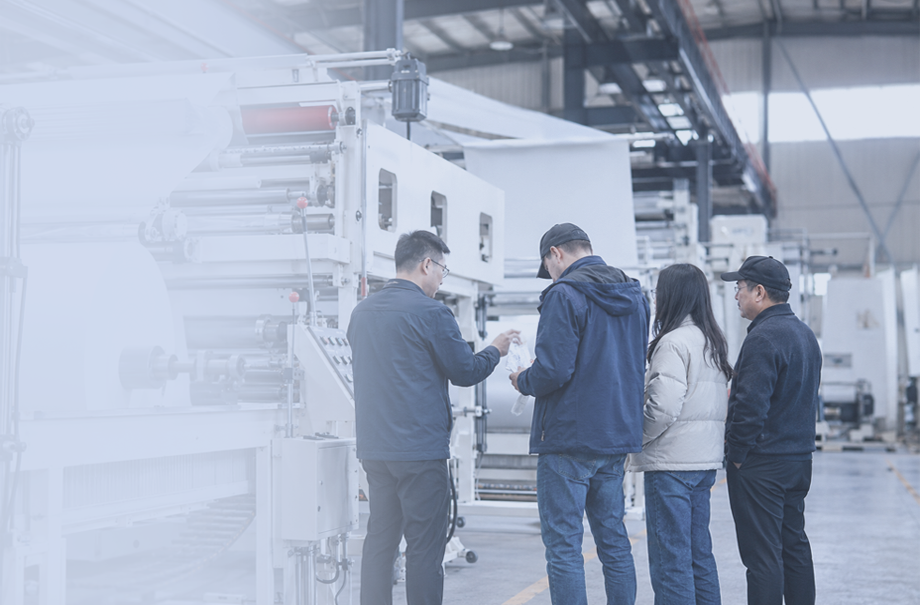
_1787294187070.webp)
_1784082301486.webp)