What is the Cost of a Facial Tissue Packaging Machine?
A facial tissue packaging machine represents a substantial capital investment for any tissue converting facility. The total cost depends on automation level, servo axis count, intelligent control integration, and included after-sales support. Entry-level semi-automatic wrapping equipment starts at a lower threshold, while fully automatic tissue paper packaging machines engineered for high-volume output — such as HENGYU's HY-T300V with 13-axis full servo control — sit at a premium tier that delivers measurable reductions in labor dependency, material waste, and unplanned downtime. Understanding every cost layer before signing a purchase order protects your capital and accelerates your return.
Understanding the Cost Components of Facial Tissue Packaging Machines
Often, procurement teams only look at the unit price and ignore the bigger picture of costs. The real investment is made up of many layers that work together to figure out the total cost of ownership over the machine's useful life.
Purchase Price Ranges by Automation Level
Manual packaging machines are the cheapest, but they also require the most work over time. At mid-range spending levels, semi-automatic types require less work from the operator. Fully automatic systems with servo-driven motion control and intelligent fault detection require a bigger initial investment. However, their continuous 24/7 throughput, lower rejection rate, and labor savings usually make up for that difference within 18 to 24 months, which is a time frame that is often used as a ROI benchmark in the packaging industry.
Installation, Commissioning, and Training Costs
A buyer should plan for more than just the ex-factory price. They should also plan for sea freight (FOB, CIF, or DDP terms have a big impact on the landed cost), on-site commissioning by trained engineers, and planned operator training. HENGYU offers online installation help that completes jobs 95% of the time or more and sends field engineers when they need to be there in person. It comes with operator and maintenance instructions, an HMI setup in multiple languages, and a list of spare parts for three years. These are extras that European OEM competitors usually charge extra for.
Operational Cost: Energy and Maintenance
The HY-T300V uses 15.47 kW of power, which is a good amount for the 80 packs per minute it can process. The machine works at its best when the closing bars, CPP film tension systems, and motor drives are maintained regularly. High-chromium steel sealing knives can usually be used nonstop for 6 to 12 months before they need to be fixed. This makes maintenance schedules predictable and cost-effective.
Types of Facial Tissue Packaging Machines and Their Cost Differences
The most important cost decision a procurement director makes is which type of tissue paper packaging machine to use for each size of production. An investment that isn't right for the job either doesn't meet the needs for capacity or wastes capital.
Manual and Semi-Automatic Models
These types work well for new converters or places that try SKUs in small quantities. Even though they are cheaper to buy, they require a lot of work and the quality of the seals isn't always consistent, which drives up the cost of packaging by the unit when used in large quantities.
Fully Automatic High-Speed Systems
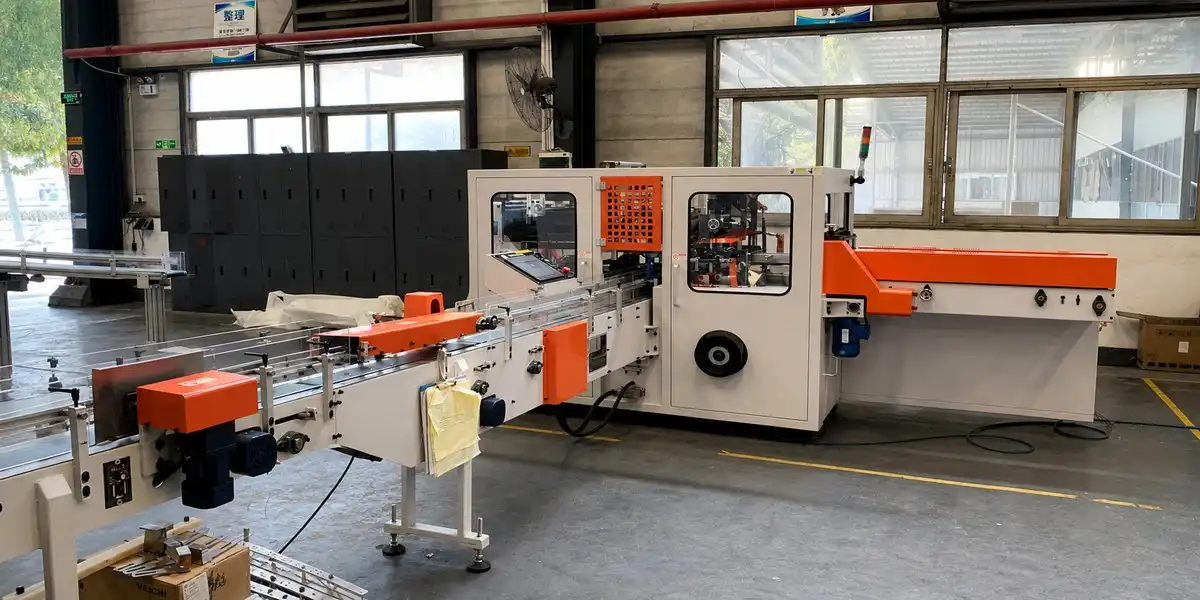
The main problem with large-format production is getting the packing speed and upstream folding output to work together. High-speed fully automatic facial tissue wrappers like the HY-T300V solve this problem. This category helps facilities handle multiple SKUs in retail soft-pack, V-fold hand towel, and napkin formats at the same time. It can produce 80 packs per minute and changes sizes without any tools. The process takes 15 to 20 minutes.
Eco-Friendly and Specialized Configurations
More rules from stores in the US and Europe are pushing OEM providers to use biodegradable PLA film and reusable packing materials. The smaller temperature window for eco-film can be handled by machines with PID-controlled heating sources and anti-stick coatings on the closing bars. This specialized feature slightly raises the base price, but it keeps your building ahead of legal changes and saves you money on future upgrades.
Factors Affecting the Price of Tissue Paper Packaging Machines
Price differences between offers are caused by a number of structural factors. When procurement teams understand them, they can't compare quotes that offer fundamentally different value.
Before you ask for a final quote, you should look at these main cost factors:
- Servo axis count and motion architecture: A 13-axis full servo system makes sure that feeding, rolling, and cutting all happen at the same time every millisecond. Fewer axes or cam-driven gears lower the initial cost, but they make the machine less precise at high speeds and require more upkeep to deal with wear.
- Intelligent fault detection depth: Dual-feed detection, paper jam sensing, and product height verification all work together to stop waste before it happens. When the system finds a fault, it stops material loss and repair further down the line, which adds up to a lot of work over the course of a production year.
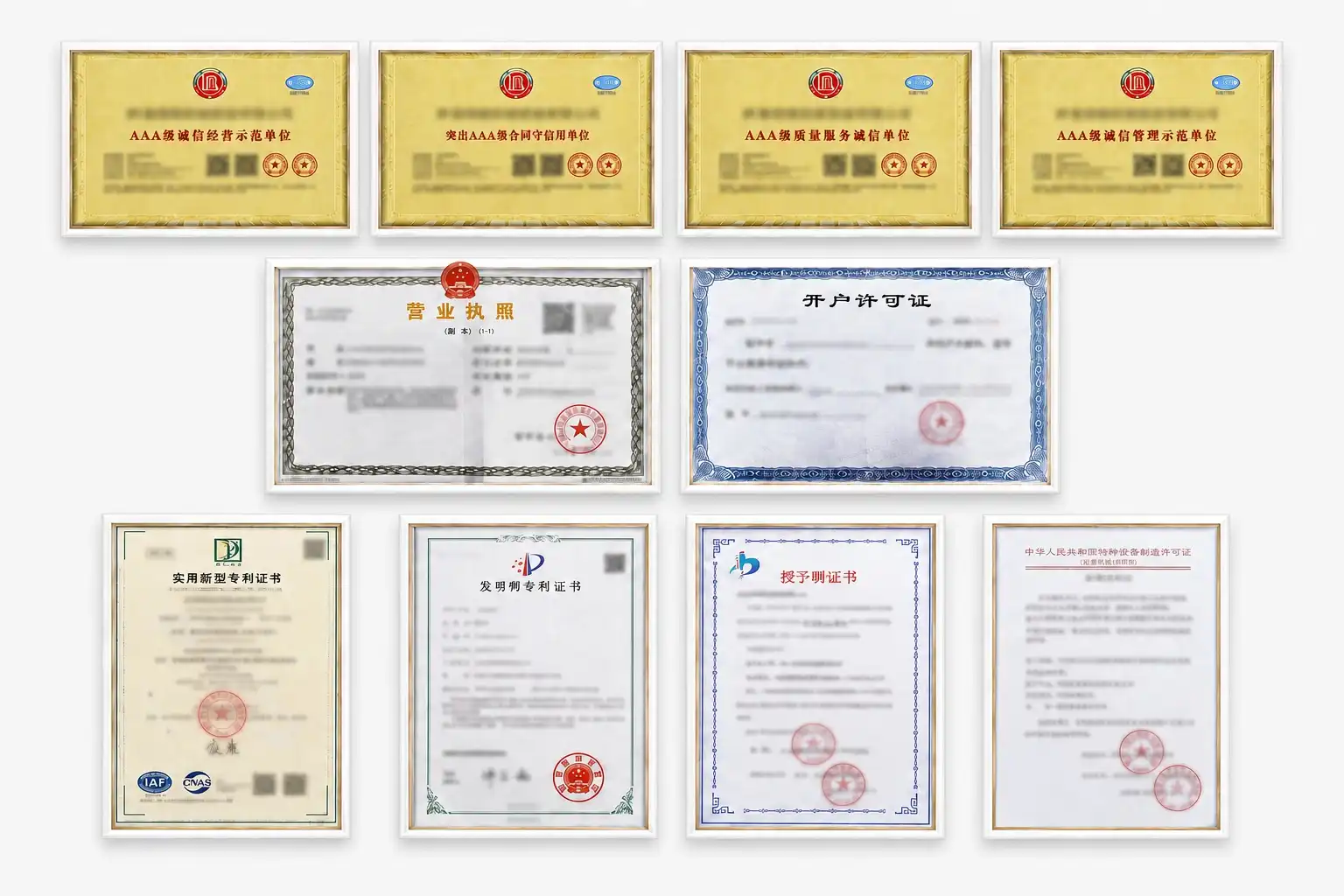
- Certification compliance: Paperwork for CE, ISO 9001, CCC, and UL must be shown in order to enter the U.S. and European markets. If your suppliers include checked compliance paperwork as standard, it will be easier to do audits and deal with customs.
- Supplier service infrastructure: After-sales service in your area, the ability to do diagnostics remotely, and the handling of extra parts all have a direct impact on how available your machine is in the real world. A cheaper tissue paper packaging machine that doesn't get serviced quickly can cost more in lost work hours than a more expensive unit that gets serviced quickly.
These factors explain why quotes for machines that look like they should be similar have meaningful price differences. The important question is not which machine is the cheapest, but which investment will yield the lowest cost per thousand packs over a period of five years.
How to Evaluate and Compare Tissue Paper Packaging Machines for Optimal Investment?
A structured evaluation process keeps you from buying things you'll later regret and speeds up the decision-making process. When working with large tissue groups, equipment directors usually check three dimensions before suggesting that everything is okay.
Speed Synchronization with Upstream Equipment
The turn rate of your packing machine should match the output of your tissue folding line, not slow it down. The bottleneck you worked so hard to get rid of is caused by a mismatch. With a steady 80 packs per minute output, the HY-T300V is designed to work with medium to large folding machines, making sure that the whole converting line runs at a fair OEE.
Certifications, Warranty, and After-Sales Coverage
Make sure that the CE, ISO, and any other market-specific approvals are up-to-date and can be transferred. Check the warranty's coverage—HENGYU offers a one-year warranty on parts that covers breakdowns that don't cause harm to people—and find out what remote and on-site help looks like in your area. For operations in Latin America and South Asia, being able to do diagnostics remotely and having a quick pipeline of spare parts are very important.
Sample Pack Testing and Factory Validation
Reliable providers are happy to test samples before signing a contract. Asking for a live trial pack with your exact tissue dimensions and film specifications on the real machine model clears up any questions about how it will work in real life. Audits of the factory and inspection trips by a third party lower the risk of buying this much capital equipment even more.
Practical Tips for Reducing Costs and Maximizing ROI
To protect your investment in packing equipment, you need to change the way you use it on a regular basis instead of just fixing it when it breaks.
Schedules for preventive maintenance, such as checking the sealing bars, calibrating the optical sensors, and diagnosing the servo drives, cut down on unplanned downtime by finding wear before it breaks. The HY-T300V's automated fault recognition helps with this by pointing out problems in real time, giving repair teams useful information instead of damage reports after the fact.
Automation is the most powerful way to pull down the cost of labor. When fully servo-driven packing systems are used, up to 70% less manual packaging work needs to be done. This frees up skilled workers to oversee quality and run logistics. Moving workers around saves more money each year than the machine's energy and supplies costs.
Buying in bulk and investing in multiple units over time, like getting a good deal on a second unit when the contract is signed, can make the economics of each unit much better. HENGYU supports flexible payment arrangements, such as staged TT payment terms that are matched with production and delivery goals. This makes it easier for facilities to handle their cash flow when they are planning to add more space.
Conclusion
To correctly price a facial tissue paper packaging machine, you need to look at all of the costs, not just the FOB quote. The amount of automation, the servo architecture, the intelligent diagnostics, the film compatibility, the certification status, and the after-sales infrastructure all affect how much the real investment is and how long it takes to get it back. When facilities look at these factors in a planned way, they regularly meet their 18- to 24-month ROI goals and lay the groundwork for future capacity growth.
FAQ
What factors most influence the price of a facial tissue packaging machine?
The main things that affect the price are the level of automation, the number of servo axes, the ability to intelligently identify faults, the film compatibility range, and the approval paperwork that comes with the machine. Total cost of ownership is also affected by the facilities for after-sales service in a big way.
Is a fully automatic system viable for mid-size production facilities?
Yes. Investing in a fully automatic tissue paper packaging machine is a good idea even for small groups because it saves time and reduces the number of items that are thrown away. It is important to match the speed of the machine to the output of your current folding line.
How long does size changeover typically take?
Modern servo-driven models can switch between product sizes in 15 to 20 minutes without having to make any changes to the tools. This makes them useful for facilities that need to manage multiple SKUs on a single line.
Can these machines handle biodegradable packaging films?
Machines set up with PID-controlled heaters and anti-stick coats on the sealing bars can handle PLA and other eco-friendly films that have smaller sealing temperature windows.
What does after-sales support typically include?
Reliable suppliers offer remote diagnostics, operator training, HMI support in multiple languages, and spare parts delivery. HENGYU comes with technical help for life and the possibility of commissioning it on-site.
Request a Custom Quote from HENGYU — Trusted Tissue Paper Packaging Machine Supplier
The HY-T300V from HENGYU, a tissue paper packaging machine, has been tested and proven to work well in retail soft-pack, hotel, and OEM export lines. It comes with lifetime technical support, CE and ISO compliance, and 20 years of experience converting tissues. Our team can give you customized quotes, test sample packs, and work with different payment plans whether you are looking at your first fully automatic system or expanding a business with multiple lines. To start the process evaluation, email doris@hytissuemachine.com or go to hytissuemachine.com.
References
1. PMMI: The Association for Packaging and Processing Technologies. 2023 State of the Industry: U.S. Packaging Machinery Report. PMMI, 2023.
2. Smithers Pira. The Future of Tissue and Hygiene Products to 2027. Smithers Pira, 2022.
3. TAPPI: Technical Association of the Pulp and Paper Industry. Tissue Manufacturing and Converting Technology Overview. TAPPI Press, 2021.
4. McKinsey & Company. Automation and the Future of Manufacturing Operations. McKinsey Global Institute, 2022.
5. Packaging World Magazine. Servo-Driven Packaging: Performance Benchmarks and ROI Analysis. Packaging World, 2023.
6. World Packaging Organisation. Sustainability in Flexible Packaging: Trends, Materials, and Compliance. WPO Report, 2023.
_1787294187070.webp)
_1784082301486.webp)