What Does a Facial Tissue Folding Machine Do?
A facial tissue folding machine is an industrial converting device that transforms jumbo tissue rolls into precisely folded, multi-ply sheets ready for dispensing or retail packaging. It integrates vacuum-assisted folding, glue lamination, embossing, and automated stacking into one continuous process. For OEM manufacturers, HoReCa suppliers, and private label converters, this equipment eliminates manual handling bottlenecks, standardizes fold geometry across high-speed runs, and directly determines the perceived quality of the finished product — making it one of the most consequential investments on any tissue converting floor.
How Does a Facial Tissue Folding Machine Work?
The Core Mechanical Process
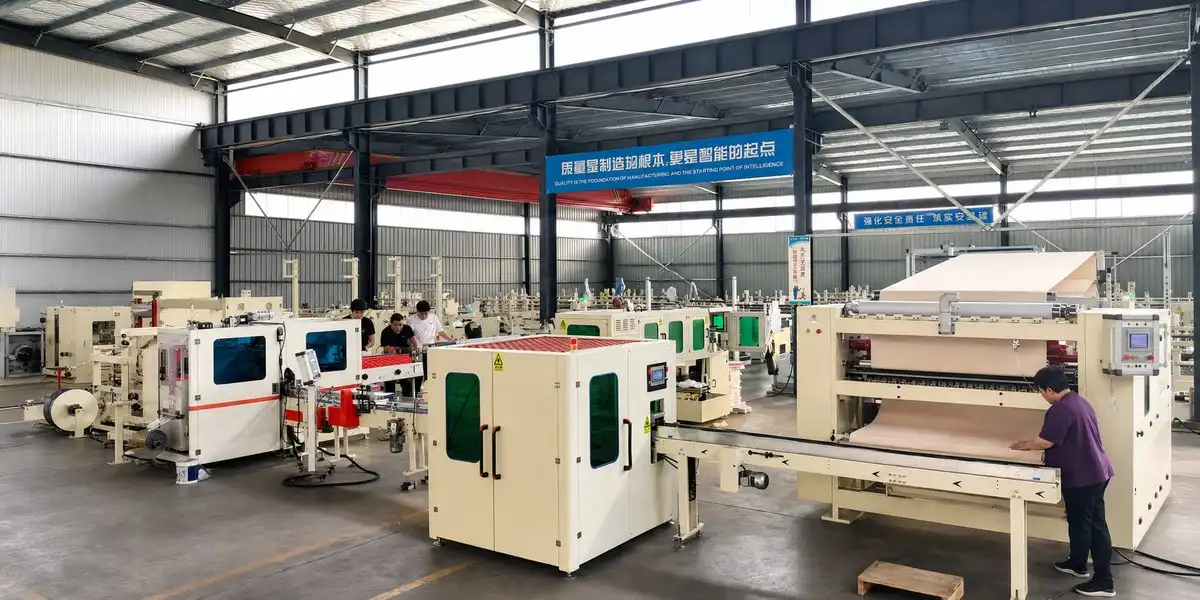
When a jumbo roll, which can be up to 1270 mm wide and 1200 mm in diameter, unwinds under carefully controlled tension, tissue conversion can begin. The web goes through an embossing machine, where steel-to-rubber wheels make designs on the surface without breaking the 14–20 gsm fiber structure. Then, glue is put on only the bonding points between the plies, not all over the surface. This keeps the surface's ability to breathe and feel soft. Each sheet is pulled through the folding blades by a 22 kW vacuum system, which locks the V-fold geometry at up to 130 m/min. Next, the servo stacking unit splits the stacks and moves them to the packing station, where they are packaged.
Why Tension and Speed Synchronization Matter?
Even a 50-millisecond change in tension at 130 m/min can cause sheets to break or accordion folds that get stuck in packing equipment further down the line. The Leadshine EtherCAT motion driver on HENGYU's V-Fold line precisely syncs up each drive motor to within microseconds, making sure that the web never gets too loose or too tight across its entire 1270 mm width. The difference between a machine that works consistently during a full shift and one that needs constant human help is this level of motion coordination.
Types of Facial Tissue Folding Machines and Their Core Features
Automatic vs. Semi-Automatic Configurations
Fully automatic lines, like HENGYU's V-Fold production line, do all the work automatically, so there is no need for people to move between stations to unwind, laminate, stamp, fold, or servo stack. Semi-automatic machines fold the sheets, but operators are needed to stack and separate the batches. This causes variations in the finished stack density that high-end HoReCa buyers can notice. A fully integrated automatic line is the best way for converters to start if they want to get institutional contracts with volume commitments of more than 50,000 cases per month.
Fold Type Compatibility and Basis Weight Range
The V-fold style is the most popular facial tissue folding machine style in business dispenser markets in North America and Europe. This is because the interlocked panels make it possible to dispensing a single sheet without the next sheet falling. The HENGYU machine can handle 14–20 gsm two-ply stock across the full 1270 mm width. This includes cheap towels for use away from home as well as high-end store and hospital towels. That's because the 10-inch HMI saves recipes for every product standard. This means that switching between basis weights and fold counts on the line only takes minutes instead of hours.
2024 Advances: EtherCAT and Real-Time Diagnostics
EtherCAT fieldbus architecture is being used more and more in modern tissue converting lines because it allows real-time distributed control over dozens of servo axs over a single cable loop. Leadshine's EtherCAT controller, which comes standard on HENGYU's V-Fold line, has cycle times of less than one millisecond and allows for online diagnostic access. This is especially useful for European buyers who have to manage the handling of extra parts and provide commissioning support across time zones.
Benefits of Using a Facial Tissue Folding Machine for Your Business
The difference in productivity between folding tissue by hand and using a machine is not small; it's structural. A manual stacking line needs four to six workers per shift, and the stack heights are still not always the same, which leads to packing rejects. Here are the main ways that HENGYU's automated V-Fold line helps with operations:
- Labor consolidation: One or two workers can run the whole line with the help of the automatic servo separator and side-push conveyor. There is no need to move stacks by hand between folding and packing.
- Point-to-point glue lamination: Unlike full-surface adhesive bonding, discrete glue points keep the natural moisture absorption and hand-feel that high-end retail and HoReCa buyers use as quality standards. This is a measurable difference in blind-panel tests done by European private label buyers.
- Consistent fold geometry: The 22 kW vacuum system keeps the suction level the same across the whole web width. This means that the fold-edge deviation stays within ±0.5 mm even at full line speed, which is a feature that is directly related to the compatibility with automated packaging systems.
Because of these benefits, the cost per unit is lower, there are fewer packaging rejects, and the product has a profile that makes it worth being placed higher on the shelf. The servo stacking system's stack-height precision data also meets GMP traceability standards for converters that work with educational or medical channels where proof and repeatability are important for contracts.
Comparing Facial Tissue Folding Machines: Making the Right Choice
In this type of procurement, decisions are usually based on three factors: the motion control architecture, the lamination method, and the post-sale support infrastructure.
Italian sellers like Baumer and Tecnomatic have been in the European converting market for a long time. Buyers who don't want to take risks trust their brands. The V-Fold line from HENGYU is competitive in terms of specs, including facial tissue folding machine EtherCAT control, steel-to-rubber embossing, and servo stacking. It also has a faster RFI-to-sample cycle and supports multiple languages in the Italian, Polish, and Spanish markets. Standard is CE approval, and UL/CSA paperwork is available for use in North America.
The lamination method is the most important technical difference. Full-surface adhesive bonding is easier to set up, but the sheet it makes is stiffer and less permeable, and experienced high-end store buyers and category managers regularly rate it lower in sensory panels. Point-to-point lamination needs more accurate glue dosing, which HENGYU solves with automatic speed-linked glue volume adjustment. However, the premium and medical segments charge more for the product that is made as a result.
Maintenance Tips and Troubleshooting for Tissue Folding Equipment
Scheduled Maintenance Priorities
Every day, you should check the vacuum filter, and based on the amount of paper dust in the air, you should change the filter completely once a week. Every time a shift changes, the surfaces of the embossing rollers need to be looked at visually. This is because debris building up on the 260 mm steel roller causes design flaws that show up slightly at first but quickly add up to reject batches. To keep the glue from running out when the flow is high, the glue nozzle's adjustment should be checked after any change in speed range.
Common Fault Resolution
It's usually a vacuum timing problem or a web-guide error that causes the fold blade to fold incorrectly. You can fix both of these problems through the HMI parameter menu without having to use any mechanical tools. Glue nozzle blockage is a common problem with systems that use non-standard adhesive formulations. On HENGYU's line, compatibility-tested adhesive specifications that come with the machine documentation make this less of a problem. The engineering team at HENGYU offers remote EtherCAT diagnostics, which lets techs access drive parameters and fault logs without having to be on-site for most of the commissioning changes.
Conclusion
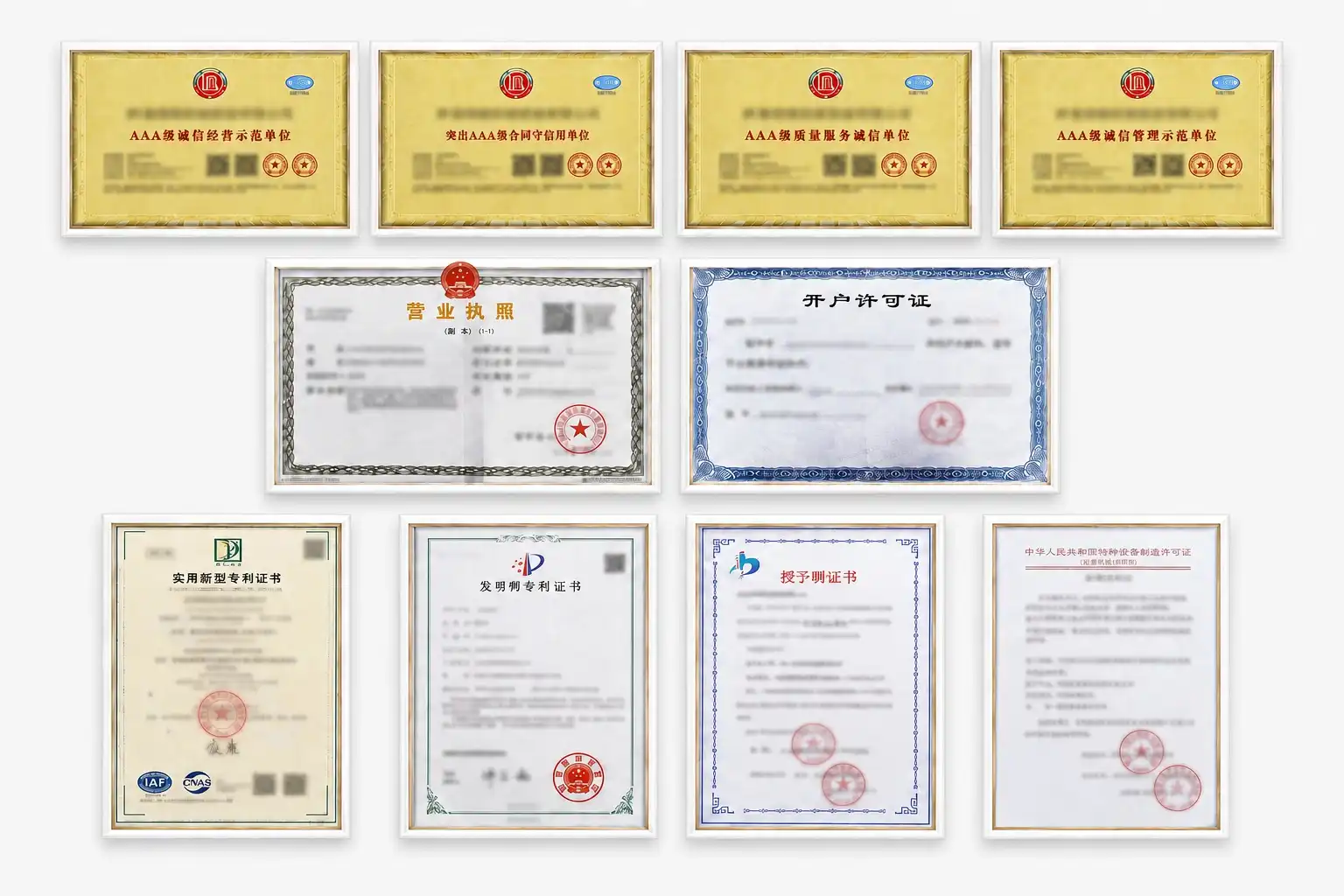
A facial tissue folding machine tissue folding production line does a lot more than just fold paper. It stamps quality into every sheet by laminating precisely, embossing deeply, vacuuming consistently, and stacking precisely. For converts that work in the medical-grade, private label retail, or upscale HoReCa markets, each of these factors affects their profit margins. Point-to-point lamination, Leadshine EtherCAT motion control, and automatic servo stacking are all part of HENGYU's V-Fold line. The platform is CE-certified and made for high-volume output that lasts. HENGYU has been making tissue machines for more than 20 years and can give you more than just equipment. They can also work with you to make your business grow.


FAQ
What paper basis weight range does the machine handle?
The line works with 14–20 gsm two-ply stock over a 1270 mm web width, making it suitable for budget hand towels for use away from home to high-end medical-grade towels.
Does the machine meet CE requirements for European deployment?
Yes, CE approval is the norm. If you need UL/CSA paperwork for North American or export setups that need those standards, you can get it upon request.
Can the machine use third-party adhesives?
The glue lamination system is set up based on the adhesive specifications given in the machine's manual. If you use formulas that haven't been tried, your nozzle could get clogged. HENGYU's technical team suggests checking for compatibility before moving glue providers.
What does remote commissioning cover?
More than 95% of customers finish installation and the first calibration with help from a distance. The EtherCAT architecture lets HENGYU engineers access drive parameters and fault diagnostics from afar, so they can do most of the setup and troubleshooting work without having to go to the site.
What is the typical lead time for a configured production line?
The length of time it takes to customize and configure something is different. Talk to HENGYU directly to get a project-specific schedule based on what you need for production.
Partner with HENGYU for Your Next V-Fold Production Line
Enterprise-level facial tissue folding machine solutions from HENGYU are made for converters who compete on quality, not just price. Our V-Fold line has point-to-point lamination, EtherCAT servo control, and CE approval. It is built on a base that comes with 20+ years of experience in tissue machines and free technical support for life. To get a detailed datasheet and sample evaluation, send your manufacturing needs to doris@hytissuemachine.com or visit hytissuemachine.com to request a technical datasheet and sample evaluation.
References
1. TAPPI Journal — Web Tension Control in High-Speed Tissue Converting Operations, 2022.
2. Tissue World Magazine — Annual Technology Review: Motion Control Advances in Tissue Machinery, 2023.
3. European Hygienic Engineering & Design Group (EHEDG) — Hygiene Standards for Food-Contact Paper Converting Equipment, 2021.
4. Smithers Pira — The Future of Tissue and Hygiene Products to 2027, 2022.
5. Paper360° (TAPPI/PIMA) — Lamination Methods and Their Effect on Tissue Hand-Feel Perception, 2023.
6. International Organization for Standardization — ISO 9001:2015 Quality Management Systems: Requirements for Industrial Machinery Manufacturers, 2015.
_1787294187070.webp)
_1784082301486.webp)