Toilet Paper Rewinder Machine for High-Speed Production
When a tissue converting facility runs at full capacity around the clock, every mechanical decision carries weight. A high-performance toilet paper rewinder machine sits at the operational core of any large-scale production line, transforming jumbo parent rolls into precisely wound, consumer-ready rolls with minimal downtime. HENGYU's HY-1575 model handles parent roll widths up to 2200mm at a designed speed of 220m/min, integrating automatic core feeding, embossing, perforation, gluing, trimming, and rewinding into one continuous workflow — making it a compelling choice for tissue groups targeting serious throughput gains.
Understanding Toilet Paper Rewinder Machines for Industrial Use
How the Core Process Works?
A toilet paper rewinder machine unwinds a big jumbo roll, runs the web through stations for perforation and embossing, and then winds it back up into finished logs with a controlled diameter and tension. Every step is timed by the PLC, from the speed of the web to the amount of glue used for tail-sealing. This makes sure that every finished roll is the same size and shape. Industrial-grade rewinding equipment is different from entry-level machines because it has this closed-loop precision.
Production Variants and Their Applications
Some industrial rewinders are semi-automatic single-shaft machines that work well with local tissue brands, while others are fully automatic dual-shaft lines that can handle group operations 24 hours a day, seven days a week. The HY-1575 is in the second group; it was designed to work with facilities that process more than 50,000 metric tons of material every year. It can make coreless rolls with PLC and air control, which is a setup that high-end stores in North America and Western Europe are asking for more and more. The machine can work with inner core diameters ranging from 32mm to 50mm, or it can work without a core at all. This gives procurement teams real flexibility across product lines.
Over 40 million metric tons of tissue are processed every year in the tissue converting industry (RISI Tissue World Market Report, 2023) and high-speed rewinding equipment is still the most expensive piece of equipment on most converting floors.


Optimizing High-Speed Production with Tissue Converting Equipment
Identifying the Real Bottlenecks
Most of the productivity losses on a rewinding line aren't caused by the machine's stated speed, but by three problems that keep happening: uneven web tension that deforms rolls, too much time spent switching between parent rolls, and worn perforation blades that make it hard to separate sheets properly. Each of these compounds moves further downstream, slowing down the log saw and making waste before it can be packaged.
Engineering Solutions Built Into the HY-1575
The HY-1575 gets rid of these problems with frequency conversion drive technology that changes the rates of acceleration and deceleration. This keeps the tension constant even when the roll diameter decreases during unwinding. The perforation station has one spiral-perforated roller and three perforated surface knives. The punching pitch error is kept to ±2mm, which is close enough to meet the standards of high-end retailers. With a touch-screen rewinding length tool that workers can change on their own without stopping the line, disruptions during changeovers are greatly reduced, making the toilet paper rewinder machine more efficient.
Here are the core performance parameters that drive this efficiency:
- Designed speed: 220m/min, which is fast enough for big tissue mills to run 24 hours a day
- Embossing unit: 240 mm steel-wool roller that is directly attached to the mainframe for processing that is in sync
- Coreless capability: full PLC and air control with a website width of at least 1300mm
- Perforation standard: 110 mm pitch (can be changed), 3 mm:1 mm punched line ratio
- Total installed power: 7.5kW + 5.5kW from the combined line
These parameters directly lead to output consistency that can be measured. When companies switched from older mechanical rewinders to servo-driven PLC-controlled lines, they saw trim waste go down by 8–12% and log rejection rates drop below 1.5% (TAPPI Tissue Technology Symposium Proceedings, 2022).
How to Choose the Right Rewinder for Your Operation?
Matching Specifications to Facility Infrastructure
Before looking at the features of a machine, procurement engineers need to make sure that the building's infrastructure can handle it. For a full production line, the HY-1575 needs a floor space of 8,800mm × 3,400mm × 1,800mm, a facility allocation of about 1,500–2,000㎡, and a stable industrial power supply to power the combined drive system. The mainframe weighs around 2,000 to 2,500 kg, so floor load ratings and access routes for installation need to be checked right away.
Technical Evaluation Criteria That Matter
When comparing rewinding equipment from different manufacturers, whether they are in the United States or Europe, the criteria used should go beyond the top speed numbers. When a group buys something, the following factors are the most important:
- Web width capacity: The HY-1575 can handle a maximum parent roll width of 2,200 mm, which puts it in the same class as the biggest industrial tools and cuts down on the number of slitting passes needed per jumbo roll
- Finished roll diameter range: Standard roll diameter is 76.2mm, and it can be customized up to 350mm. This range covers both standard retail and private-label luxury forms
- Electrical platform: Delta or Siemens PLC choices work with local repair systems, lowering the risk of spare parts in areas where Siemens infrastructure is common
- Compliance documentation: You must have CE and ISO approval in order to bring your goods into the EU, GCC, and Latin American countries that require PVOC
All of these things work together to figure out the total cost of ownership of a toilet paper rewinder machine much more accurately than unit price alone. HENGYU provides ODM and OEM configuration services, which include choosing an embossing pattern (steel-wool, steel-rubber, or gluing system), adapting the operating language, and private labeling, so the machine can fit into existing production and brand strategies without having to be changed.
Maintenance and Troubleshooting for Sustained Performance
Preventive Practices That Protect Output Consistency
Most problems with high-speed tissue rewinders can be predicted and mostly avoided with regular upkeep. These problems include worn-out shaft bearings, blunted puncture blades, and clogged glue systems. HENGYU suggests checking the spiral perforation blades every 500 hours of operation, lubricating the winding shaft bearings once a week when the machine is running continuously, and cleaning the tail-sealing glue circuit every time the shift changes to keep the glue from building up and affecting the quality of the seal.
The HY-1575 comes with a quality guaranty that covers both mechanical parts and PLC systems for one year. After the warranty period is over, HENGYU keeps a structured spare parts program with clear wait times. This lets buying teams make deals for pre-positioned inventory instead of having to buy things on the spot. More than 95% of installations go smoothly with HENGYU's remote video guidance protocol. This lowers the costs of commissioning by a large amount for facilities in markets where local engineers are hard to reach.
Procurement Guide: Sourcing Industrial Tissue Converting Lines
Buying a capital rewinding line is physically different from buying smaller pieces of equipment. Usually, it takes six to twelve months to make a decision. The chief engineer does the technical review, the procurement director negotiates the terms of the deal, and the CFO gives the go-ahead for the money. In HENGYU's standard business process, there is a technical inquiry, sample testing, video factory inspection, multiple rounds of commercial negotiations (including FOB/CIF terms, payment schedule, and spare parts agreement), production with pre-shipment photo and video verification, installation with the option of sending an on-site engineer, validation of the production, and a long-term service contract.
When you buy directly from HENGYU, you skip the markups that come from middlemen and get full access to engineering customization and support after the sale. The whole production line, including the auto rewinder, the paper cutting machine, and the packing machine, is set up and priced as a single unit. This makes it possible to accurately model the total investment based on the expected yearly output and return period.
Conclusion
When a tissue group looks at large-format rewinding equipment, they need to find a toilet paper rewinder machine that can regularly run at 220m/min for long production runs, works well with cutting and packing lines further down the line, and has compliance credentials that can be checked. The HY-1575 meets all of these needs and more with a base that can be changed to fit the needs of different markets and electricity standards. HENGYU has been making things for 20 years and has a structured global export process that lowers both technical and commercial risk for procurement teams making decisions about high-value capital.

FAQ
How often should perforation blades be inspected on a high-speed rewinder?
Every 500 hours, check the spiral piercing blades on production lines that run continuously at or near 220m/min. When a blade gets dull, it usually shows up as uneven sheet separation or higher piercing pitch error, which should normally stay within ±2mm.
Can the HY-1575 produce coreless rolls?
Yes. The machine has a special method for making coreless rolls that is managed by a PLC and pneumatics. For coreless operation, the minimum web width that is suggested is 1,300mm, and the full 2,200mm width can be used.
What PLC options are available?
There are two types of PLC platforms: Delta and Siemens. Buyers can choose the system that works best with their current repair infrastructure and the ease of getting extra parts in their area.
How does HENGYU handle installation for overseas buyers?
Over 95% of installations are done with the help of remote video guidance, which cuts commissioning costs by a large amount. On-site engineer dispatch is an option for facilities that need direct technical support during the first few production runs.
What compliance certifications does the machine carry?
The HY-1575 has CE and ISO certifications, which means it can be imported into the EU, GCC countries, and Latin American markets that have to follow PVOC rules.
Partner With HENGYU for Your Next High-Capacity Tissue Line Upgrade
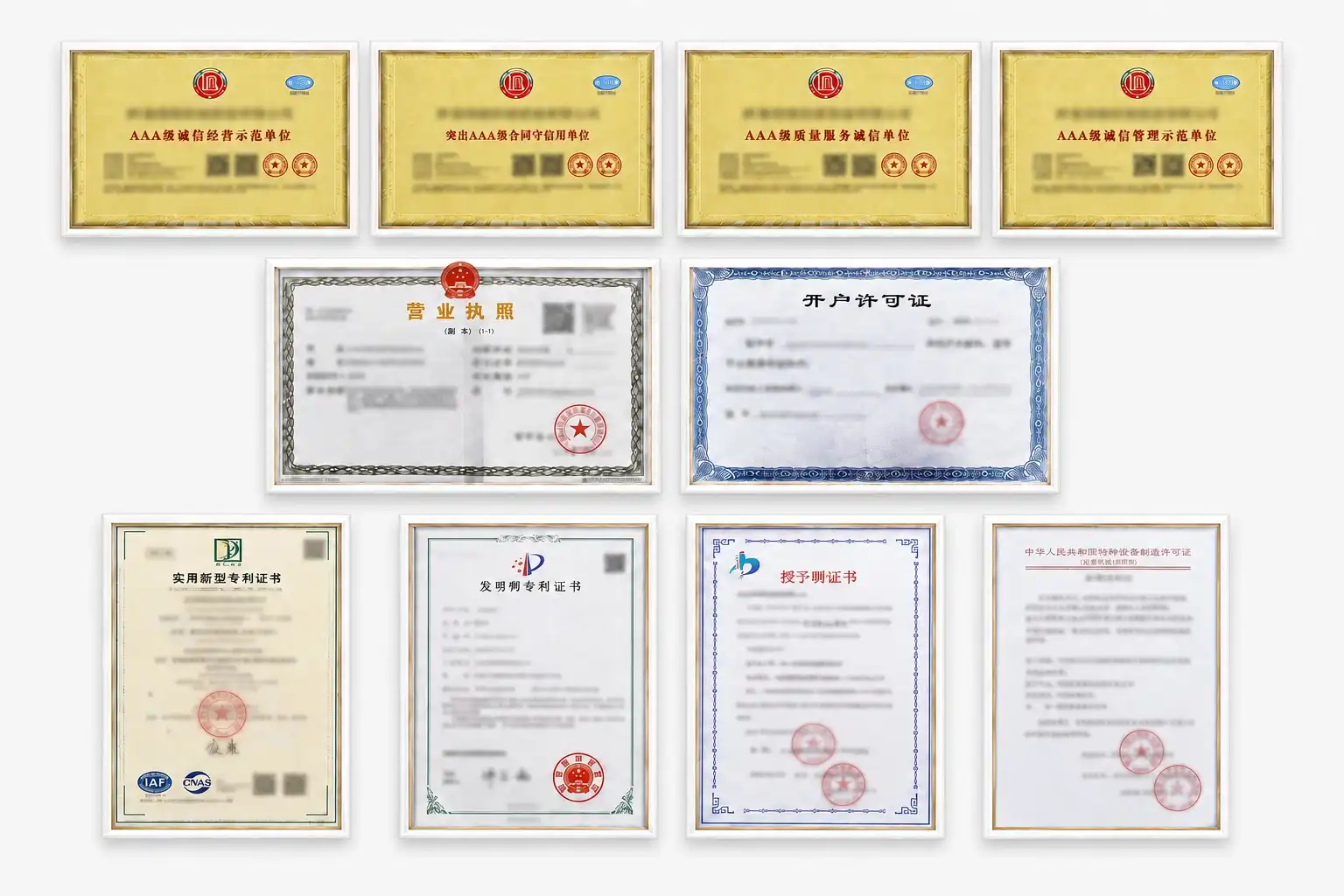
With over 20 years of proven production experience and machines in use in more than 50 countries, HENGYU is a reliable toilet paper rewinder machine maker. The HY-1575 has a web width of 2,200 mm, a design speed of 220 m/min, and the ability to do full coreless rolls. It also meets CE/ISO standards and has an organized global export process. Our engineering team is ready to give you technical documentation, video factory access, and a thorough configuration plan whether you are looking at your first large-format line or replacing old European equipment. To set up a technical consultation, email doris@hytissuemachine.com or go to hytissuemachine.com.
References
1. RISI / Fisher International. Tissue World Market Report: Global Capacity and Production Trends. 2023.
2. TAPPI. Tissue Technology Symposium Proceedings: Advances in Converting Line Efficiency. 2022.
3. Tissue World Magazine. High-Speed Rewinding: Engineering Benchmarks for Industrial Tissue Lines. 2023.
4. ISO. ISO 9001:2015 Quality Management Systems — Requirements. International Organization for Standardization, 2015.
5. European Committee for Standardization. CE Marking and Machinery Directive 2006/42/EC: Compliance Requirements for Converting Equipment. 2006, updated 2023.
6. PITA (Paper Industry Technical Association). Maintenance Best Practices for High-Speed Tissue Converting Machinery. Paper Technology International, 2021.
_1787294187070.webp)
_1784082301486.webp)