Mini Tissue Paper Making Machine Maintenance: A Practical Guide
Mini tissue paper making machines will stay in good condition with four habits: Clean the machine every shift, lubricate on a fixed schedule, examine worn parts before they break, and document every defect. It is a tiny tissue paper-producing machine with interdependent feeding, embossing, cutting, folding, pneumatic, and electrical systems. One portion that is overlooked might halt the entire line. From daily inspections to spare parts preparation, this book covers the routines I prescribe to new factory owners and how the HENGYU face tissue line fits into them.
Understand the Main Components of a Mini Tissue Paper Making Machine
Feeding, Unwinding, and Tension Control
The jumbo roll rests on the unwinding stand, and paper must go from there in a straight, smooth line. The HENGYU face tissue line can handle parent rolls up to φ1100 mm with a 76.2 mm core, with both values configurable. Guide rollers, bearings & brakes maintain web tension & alignment. Wrinkles and ripped edges occur when a roller wears or a bearing sticks, causing the web to drift to one side. During weekly inspections, I order operators to spin each guide roller by hand. If a roller drags or feels rough, it must be corrected before it ruins the paper.
Embossing, Cutting, and Folding Units
These pieces form the final product, and hence they wear out first. HENGYU series with edge embossed technique and pneumatic point cut. The cutting mechanism has a knife with a diameter of 610 mm and a speed of 980 rpm. The auto cutting machine can do 20-260 cuts per minute. Those speeds are hard on blades. Dull blades provide fuzzy edges and loose dust, while worn embossing surfaces obscure the design. Check blade sharpness, embossing pressure, and folding plate alignment at regular intervals since tiny changes here affect tissue size and fold quality.
Pneumatic, Electrical, and Control Systems
The standard requires a pneumatic system with three air compressors and a minimum pressure of 5 kg/cm². It also specifies a vacuum system of 7.5 kW or 11 kW for the paper transport. Low air pressure makes cutting weak, and a clogged vacuum filter makes paper transport poor. Controls are PLC-based with a touch screen that coordinates each step. Loose wiring, dirty sensors, or unstable power might cause false warnings or stops. Ask about a voltage stabilizer if your grid voltage fluctuates. Auto cutting machine: 380V/50Hz. Bagging machine: 380V. Please validate your local supply before shipment.
Build a Preventive Maintenance Schedule
Daily and Weekly Checks
A brief procedure will find most issues early. So here is my proposal for a new operator team schedule:
- Each shift: Clean paper dust from the paper route. Listen for unusual noises. Check motors & bearings for heat. Check air pressure: min. 5 kg / cm2. Test the emergency stop. Keep a record sheet of the results so the next shift can read what the previous shift found and corrected.
- Weekly: Look for looseness or wear in bearings, chains, belts, guide rails and gears. Keep rollers parallel. Tighten fasteners. Clean spots not wiped regularly, such as beneath guards and around the folding unit. If you see any parts that look worn, you may want to obtain a replacement early.
- Logbook: Record the output of the day, stoppages and any alarm codes. A supply technician may quickly troubleshoot an issue utilizing pictures and short video clips. After a few weeks, the data shows tendencies, like a sensor that fails every Monday, and such patterns tell you where to focus your maintenance labor.
These tests are speedy, and they discover tiny faults before they bring down operations.
Monthly, Quarterly, and Annual Servicing
Electrical connections and alignment. Sensors, encoders, counters. Compare production figures vs. the prior month. Check the safety systems and replace any worn belts or seals every three months. Plan for a longer break once a year to do a deep clean, electrical testing, and replace or sharpen blades as needed. “I don’t just go by the calendar date for the interval; I look at the inspection results, since blade life is based on paper grade and hours of operation.” Put the dates on a wall calendar. Try to schedule longer breaks during slow sales periods so that you don’t interrupt customer orders.
Cleaning and Lubrication Procedures
Use soft brushes, an industrial vacuum, or low-pressure air to remove paper dust and keep debris away from motors, bearings, sensors, pneumatic parts, and electrical cabinets. Dust is more important than cleanliness. NFPA 652 requires facilities to evaluate flammable dust hazards, and paper dust might qualify. Use only the kind of lubricant stated in the instructions. Do not excessively lubricate the paper path. Oil on the web marks the tissue. Facial tissue touches the skin; therefore, the folding and bagging areas are very clean. Record type, amount, and date of lubricant after each servicing.
Troubleshoot Common Problems and Match Maintenance to Your Setup
Web Breaks, Wrinkles, and Uneven Output
Record the symptom, the paper quality, and the mini tissue paper making machine speed. Then change one thing at a time so you know which thing works. Wrong tension, misaligned or broken guide roller, excessive speed, or unequal parent roll quality frequently result in web cracks and wrinkles. If you see breakage on rolls from only one provider, try another roll using the same settings. If tension is the cause a little decrease in speed may confirm it . Random corrections just waste paper, since it usually adds a second mistake to the original one.
Embossing, Folding, and Cutting Errors
Weak or fuzzy embossing indicates insufficient pressure or broken embossing surfaces. Misaligned plates = drifting folds. If the tissue is being cut at the wrong length, check the sensors and encoders, then the PLC settings, loose drives, and the condition of the blade. If you detect noise, vibration, or overheating, cease immediately; continued operation may damage the bearings or gears. Before calling technical support, have alarm codes, pictures, a short video, and recent production data available. Ideally, this information is supplied up front for remote support so our personnel can find the problem more quickly.
Maintenance for Different Product Types and Automation Levels
Facial tissue and napkin lines must be folded, tallied, and checked for cleanliness precisely. Toilet tissue lines are focused on rewinding, perforation, core loading, and roll density. Recycled paper may generate more dust and fiber, so you’ll have to clean more often. Additional sensors and PLC functions are included in the fully automated lines, such as the HENGYU face tissue line with integrated folding, cutting, and packaging. That means more electrical inspections, but fewer manual transfer points. Semi-automatic machines have easier controls, but the operator has to have greater competence in feeding and changing rolls. Pick your machine to fit your maintenance personnel.
Plan Spare Parts, Energy Use, and Safe Procedures
Build a Spare Parts Stock
Long delays due to missing inexpensive parts. Keep an inventory of additional blades, belts, chains, bearings, seals, sensors, fuses, relays, pneumatic fittings, and worn parts for specific models. Keep consumables separate from service parts and key components like PLC modules, inverters, and specialized rollers. Never judge compatibility by appearances. Check dimensions, electrical ratings, and manufacturer references. Starter kits should be bought with the machine since parts supplied by sea might take weeks to arrive. Ask the provider for their recommended list for your product and hours of operation.
Track Energy and Performance
Don’t only judge energy efficiency by the spec sheet—judge it by real-world data. HENGYU line features a main power of 3 kW or 5.5 kW, a vacuum system of 7.5 kW or 11 kW, and speed control of electromagnetic frequency. Log running hours, production, speed, power consumption, waste, and downtime, and compare with rated capacity. “Motor-driven systems account for a significant percentage of industrial energy use and efficient maintenance reduces losses,” according to the U.S. Department of Energy's motor systems sourcebook. Unnecessary resistance is reduced by cleaning motor vents, aligning rollers, and ensuring accurate electrical connections. Standard setup settings for each product also reduce start-up waste.
Follow Safe Procedures and Keep Records
CLEANING, LUBRICATING AND REPAIRING: Stop the equipment before cleaning, lubricating, or repairing according to the handbook. Electrical and pneumatic energy is isolated. Bleed off pressure. Make sure all moving things come to a stop. In U.S. workplaces, this step is governed by OSHA's lockout/tagout standard, 29 CFR 1910.147, and many other countries have similar rules. Operators may clean, visually examine, do basic lubrication, and maintain records. Qualified technicians are needed for Cabinets, PLC’s, Inverters, motors, and Safety circuits. Track Hours of Operation, parts replacement, problems, and downtime. The log shows you the true cost of ownership over the years and tells you when to grow or replace.
Use a Maintenance Checklist When You Buy a Mini Tissue Paper Machine
Specifications That Affect Maintenance
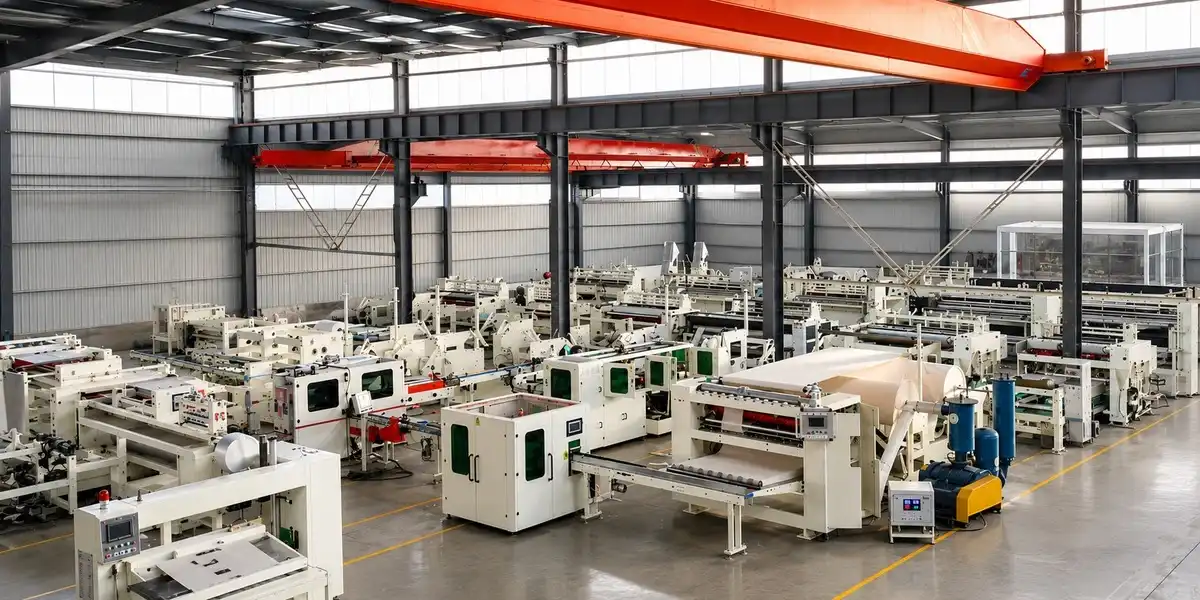
HENGYU Mini Tissue Paper Making Machine is a comprehensive automated facial tissue production line that can perform folding, cutting, and packaging. It runs up to 100 m/min and creates a standard 180 x 200 mm tissue (custom sizes available). The bagging mini tissue paper making machine fills 20 to 25 packages each minute. The whole line takes 150-200 square meters. The cutting machine measures 3500×1700×2500 mm and weighs 2400 kg. The bagging system is 5600 × 2500 × 1200 mm, and the height is adjustable. The dimensions are a balance between capacity and access for maintenance. ISO and CE certified machines.
Installation Guide and Remote Support
One of the things that new owners are worried about is when the equipment comes in and won’t start. HENGYU may be set up using remote guidance. This is the method more than 95% of our customers use to install it. We also provide industrial planning so you may arrange your layout before the equipment arrives. We provide technical training and technical service for life for operators. Ask any supplier for manuals, wiring diagrams, and a PLC program backup in a language your team understands, and confirm what worn parts come with the unit.
Questions to Ask Any Supplier
Ask before you sign: How often does each need to be serviced? How long do used components last? How quickly do replacement parts ship? How does the provider do remote troubleshooting? Ask for a formal price that defines capacity, speed, product size, compatibility with raw material, installed power, voltage, compressed air requirements, floor area, and scope of service. Ask for export references and technical documents. A supplier that answers these questions well before the purchase is more likely to serve you after the sale.
Conclusion
Mini tissue paper making machine making machine is a tedious process. Operators learn each subsystem. Check and lubricate on schedule. Clean dust . Identify problems one variable at a time. Web breakage, embossing faults, and cutting length problems are usually caused by tension, alignment, sensors, or worn blades. The priorities are different by product kind, recycled paper, and degree of automation. Spare parts stock, energy and downtime data, and secure lockout procedures reduce the threat of extended stoppages and show the full cost of ownership. The same discipline goes for before purchase: acquire specifications, voltage, installation help, and components delivery in writing.

FAQ
1. How often should I clean and lubricate the machine?
Clean the paper path and machine surfaces every shift, and lubricate at the intervals in the manual. Recycled paper may need more frequent cleaning because it produces more dust.
2. What causes most downtime?
Common causes include web breaks, incorrect tension, worn blades, dirty sensors, electrical overloads, poor lubrication, and inconsistent parent rolls. A daily log shows which cause applies to your line.
3. What information does technical support need?
Send the alarm code, photos, a short video, the paper grade, the machine speed, and recent production data. These details speed up remote diagnosis.
4. Is an automatic line harder to maintain than a semi-automatic one?
An automatic line has more sensors and PLC functions, so it needs more electrical checks. It also depends less on operator accuracy during feeding and transfer.
Request a Maintenance-Focused Mini Tissue Paper Making Machine Quote
If you are comparing a mini tissue paper making machine supplier, send HENGYU your target product, daily output, parent roll width, floor space, local voltage, and destination country. With over 20 years of experience in tissue converting equipment, CE and ISO compliance, remote installation guidance, and lifetime technical service, we can recommend a suitable configuration and a practical maintenance plan. Email hengyu@hytissuemachine.com.
References
1. Control of Hazardous Energy (Lockout/Tagout), OSHA, 2002
2. NFPA 652: Standard on the Fundamentals of Combustible Dust, NFPA, 2019
3. ISO 9001:2015 Quality Management Systems – Requirements, ISO, 2015
4. Machinery Directive 2006/42/EC, European Parliament and Council, 2006
5. An Introduction to Predictive Maintenance, R. Keith Mobley, Butterworth-Heinemann, 2002
6. Improving Motor and Drive System Performance: A Sourcebook for Industry, U.S. Department of Energy, 2008