Kitchen Towel Rewinding Machine: Features, Applications, and Benefits
A kitchen towel rewinding machine is a high-precision tissue converting system that transforms large-diameter jumbo rolls into consumer-ready kitchen towel rolls. It integrates unwinding, embossing, perforation, and rewinding into one continuous automated process. For mid-to-large converting facilities targeting North American and European markets, this equipment is the backbone of a competitive product line. HENGYU's HY-1575 model delivers a working width up to 1800 mm, speeds of 100–250 m/min, and Delta PLC intelligent control — giving factories the throughput and precision their markets demand.
Understanding Kitchen Towel Rewinding Machines: Features and Components
Core Mechanical Components
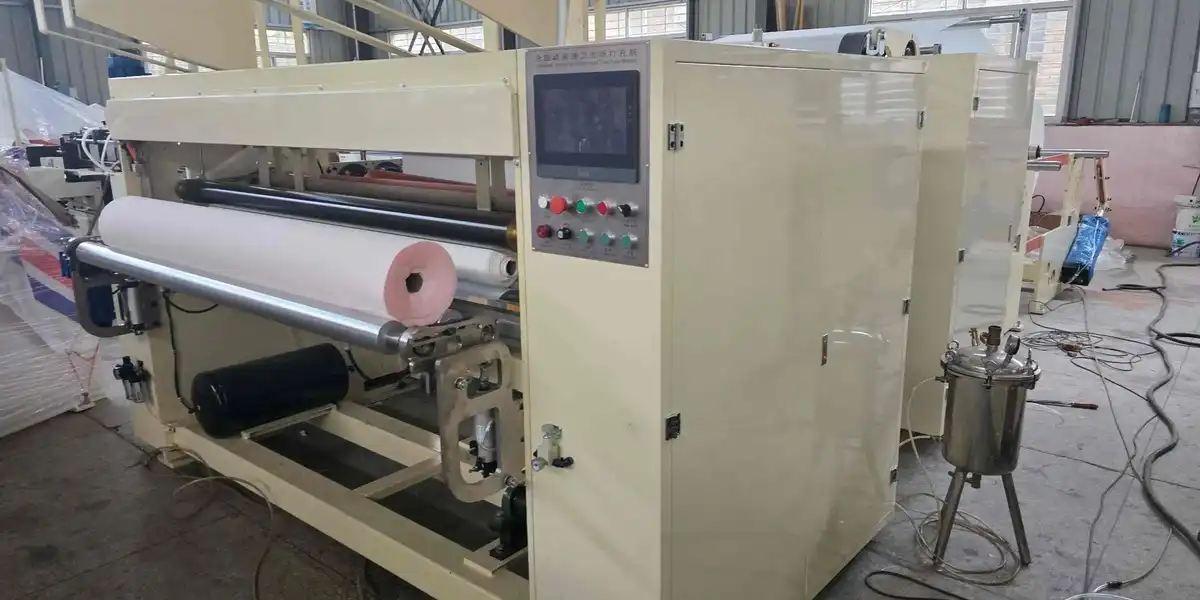
There are unwind stands, tension control rollers, embossing units, piercing blades, a rewinding section, and a log transfer system that are all parts of every high-performance tissue rewinder. The HY-1575 has two jumbo roll stands that are controlled by pneumatic tension, four tungsten steel anvil blades that perforate cleanly every 90 to 110 mm, and a steel-to-rubber double embossing unit that is controlled by pneumatics. The machine frame is 5800 mm long, 1900 mm wide, and 1920 mm high, and it weighs about 5.5 tons. Before it is installed, building engineers must check these measurements against the floor load capacity.
Automation Levels and Control Intelligence
There are three main types of rewinders in the tissue transforming industry: manual, semi-automatic, and fully automatic. Delta PLC controls and HMI touch screens are built into fully automatic models like the HY-1575. This lets you watch parameters in real time and handle rewinding, perforating, roll forming, and core handling without using your hands. This level of automation directly cuts down on the need for labor and the chance of mistakes happening during fast runs. Intelligent control is not a luxury for companies that make 20–50 tons of goods every day; it is the usual way to keep shift output steady.
Applications and Industry Benefits of Kitchen Towel Rewinding Machines
Who Uses These Machines and Why?
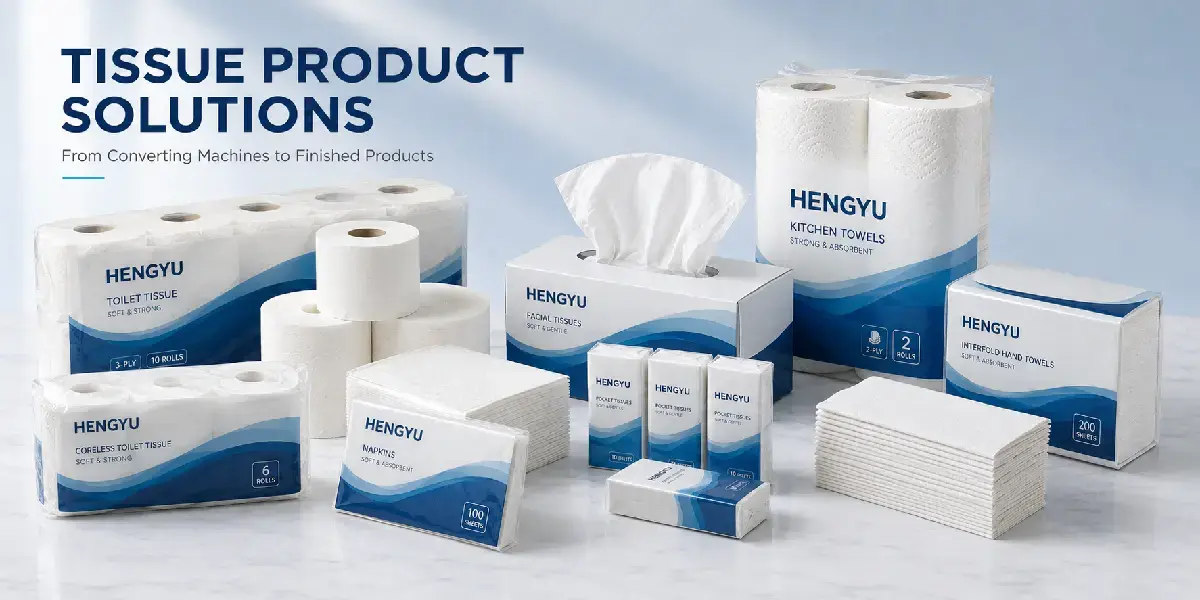
Industrial rewinders are used in three main types of output at tissue converting sites in North America, Europe, Southeast Asia, and the Middle East. OEM contract manufacturers use these machines 24 hours a day, seven days a week to make private-label brands for stores. For the high-end home market, premium manufacturers set them up with artistic embossing and multi-ply coating. For commercial kitchens and labs, industrial and institutional (I&I) suppliers use high-density roll configurations.
Here are the operational benefits that make this kitchen towel rewinding machine central to a profitable converting line:
- Dual-category production flexibility: The HY-1575 can handle both kitchen towel and toilet tissue rolls on the same platform. It can handle finished core diameters of 38–55 mm and finished roll diameters of 80–150 mm. When you switch between SKUs, you don't need a dedicated second machine, which cuts down on capital costs and the cost of investing in each unit.
- Consistent product quality at scale: Advanced tension control keeps the winding density the same across the whole 1800 mm working width. When rolls leave the line, they have smooth edges and the same width all the way through. This gets rid of downstream rejects that hurt the brand's image with retail customers.
- Material and labor efficiency: Delta PLC automation makes it so that operators don't have to do as much during production runs, which saves time and money. At high speeds, precise cutting control cuts down on paper waste, and the 7.5 KW main power setup makes sure that energy use stays in line with output volume.
These advantages translate directly into lower cost-per-roll, faster order fulfillment, and the ability to serve multiple market segments from one production asset. For a medium-sized plant, this is what makes it possible to expand its output without going broke.
How to Choose the Best Kitchen Towel Rewinding Machine: A Procurement Guide
Key Technical Criteria for Serious Buyers
Choosing a tissue rewinder depends on a lot of factors. First, capacity matching is important. The daily tonnage goal (20–50 tons is common for mid-sized businesses) needs to match the machine's speed range and working width. The HY-1575 can go 100 to 250 m/min on an 1800 mm web, which is a good speed range for this.
Beyond throughput, procurement teams should examine four additional dimensions:
- Electrical compatibility: The HY-1575 is set at 380V/50Hz by default, but you can change the power. In the US, facilities that use 240V/60Hz three-phase systems need to check the motor specs before placing an order. Most of the time, North American buyers have trouble installing because the power source doesn't match.
- Downstream packaging compatibility: The finished core diameter range of 38–55 mm must match the inner diameter requirements of the packing line you already have. By checking this before buying, you can avoid expensive repairs after delivery.
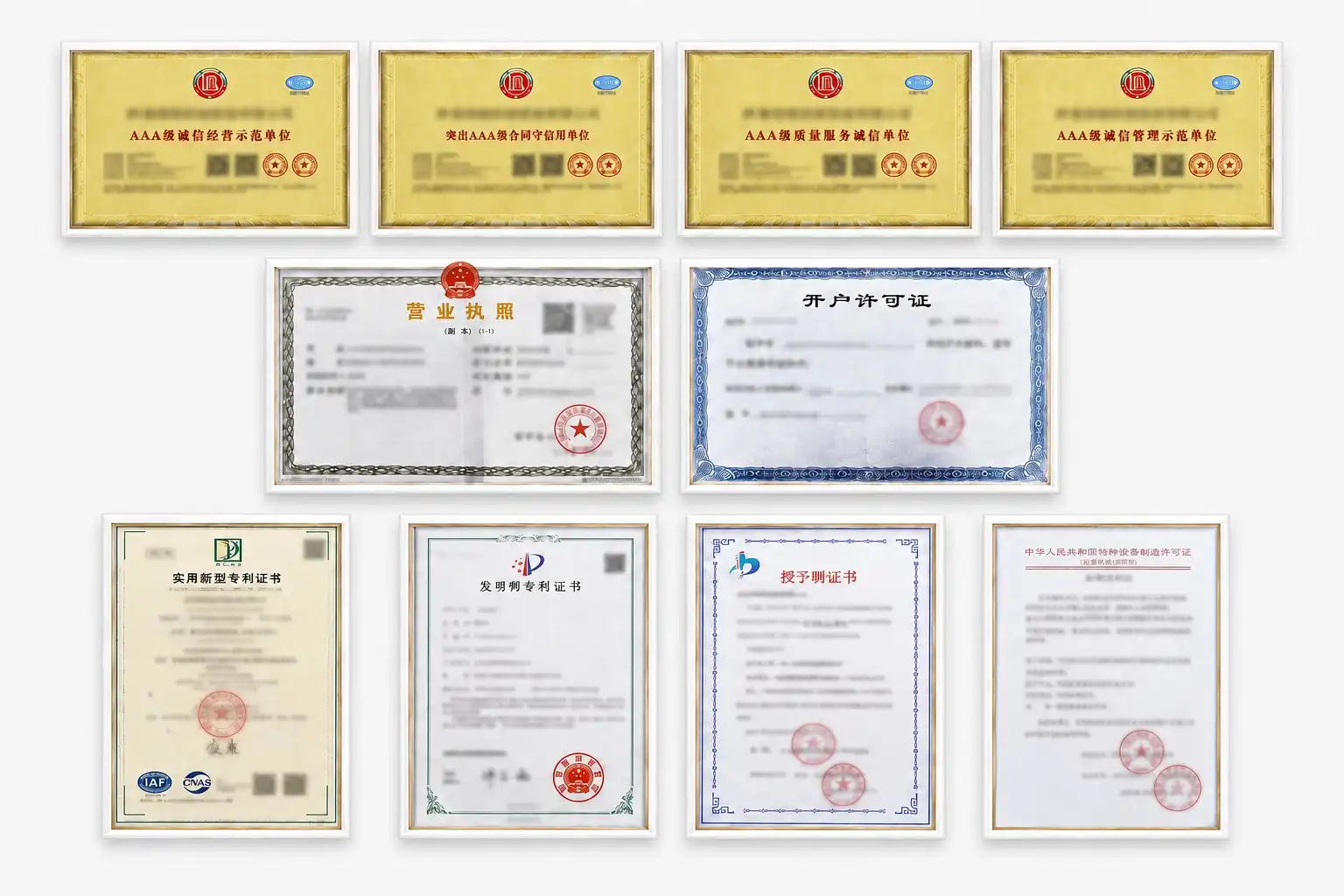
- Certifications and compliance: To sell goods in Europe, you need equipment that is CE-certified. In the U.S. and Canada, following UL and CSA standards lowers insurance costs and passes store customer checks.
- After-sales infrastructure: A local network of extra parts and the ability to do diagnostics remotely decide your real cost of ownership. Ask suppliers for a written list of spare parts and make sure they can meet your region's response time promises.
Supplier Evaluation
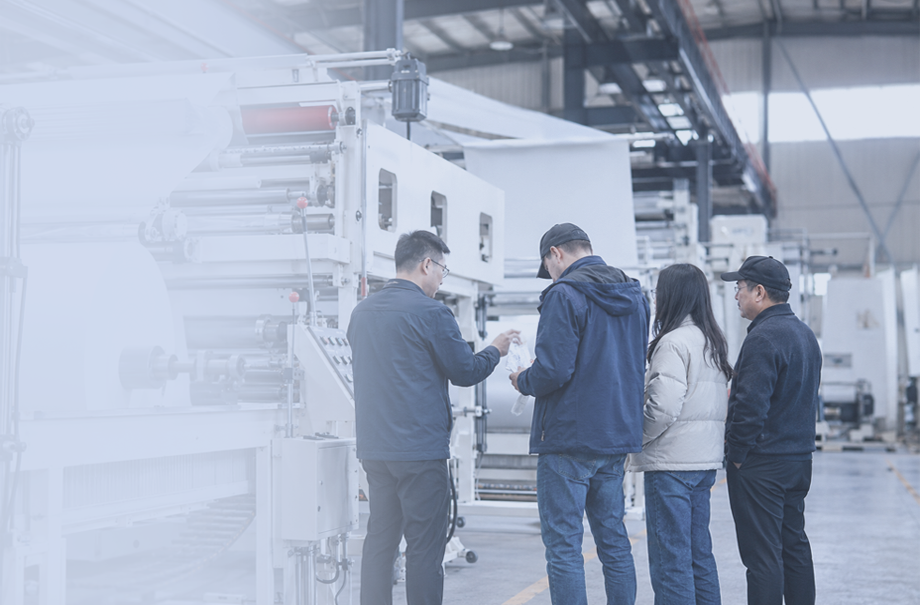
Check the supplier's track record with international installations of a kitchen towel rewinding machine in addition to the specifications. HENGYU has helped users in North America, Europe, and Southeast Asia, and more than 95% of setups were done with help from afar. A supplier that manages risk instead of just selling hardware will have a documented commissioning process that includes everything from the technical questionnaire to the trial production.
Operation, Maintenance, and Troubleshooting Guide
Daily Operating Protocols
Operators should follow a structured starting sequence: check the air compressor pressure (at least 5 kg/cm²), make sure the PLC parameters are set correctly for the current product format, look at the state of the blades, and run a short test cycle before production starts at full speed. As part of the shutdown procedure, the rewinding section is cleared, any changes to parameters are recorded, and the embossing rollers are covered to keep the surface from getting dirty.
Every week, the drive chains and tension rollers should be oiled, and every month, the perforation blades should be checked for wear. Every three months, the embossing unit pressure should be calibrated. If you work an 8-hour shift, you should usually change the blades every 4 to 6 months, based on the type of paper and how fast you print.
Common disruptions and their causes: If the paper breaks at high speed, it's likely because of an unbalance in the tension or a worn unwind brake. If the diameter isn't consistent, it could be because of PLC parameter shift or roller wear. And if the perforation skips, it means the blades aren't lined up right. Photoelectric sensors in the HY-1575 stop and sound an alarm when paper breaks. This keeps the rollers from getting damaged and cuts down on the time it takes to start up again.
Future Trends and Innovations in Kitchen Towel Rewinding Machines
The tissue converting industry is making a strong move toward IoT-connected machines and management of production using Industry 4.0. Delta PLC platforms already have remote diagnosis built in, and now predictive maintenance methods are being added to show when parts are wearing out before they break. The Paper Industry Technical Association says that unexpected downtime is the main reason why tissue converting businesses lose capacity. This change will cut down on that.
Efficient use of energy is the parallel pressure. Variable-frequency motors and regenerative drive systems are now standard on new rewinder platforms. These features lower power use without slowing down the machine. This directly raises the profit per ton for companies in places where power costs a lot. As more and more retail customers put ESG standards on their supply lines, sustainable material handling, such as less paper waste during format changes, is becoming a more important factor in the buying process.
In response to these pressures, designers have come up with modular machine architecture. With interchangeable stamping units, piercing modules that can be adjusted, and core diameter ranges that can be set, one machine investment can meet changing market needs without having to replace the whole line.
Conclusion
A well-designed tissue rewinder is more than just production tools; it's also an asset for the long term. The HY-1575 has a working width of 1800 mm, the ability to work with two different types of materials, Delta PLC control, and a range of products that can be set up to meet the needs of North American, European, and Middle Eastern markets. One kitchen towel rewinding machine that can make both kitchen towel and toilet tissue rolls in different roll formats is a smart investment in production capacity for converting facilities that are careful with their money.
FAQ
What paper grades does the HY-1575 handle?
The machine can work with tissue paper that is 14 to 30 gsm and has 1 to 3 plies. This is enough for normal cooking towels for homes and businesses.
How long does a format changeover take?
How long it takes to switch between kitchen towel and toilet tissue setups depends on how quickly the stamping unit is swapped out and the PLC parameters are changed. After the initial commissioning, training makes this a lot less of a problem.
Can the voltage be adapted for the U.S. market?
Yes. You can change the standard 380V/50Hz configuration. During the detailed questioning stage, buyers in the U.S. should say how their building gets power.
What certifications does the machine carry?
The HY-1575 has a CE mark on it. For the North American market, there are choices that meet UL and CSA safety standards.
What does the warranty cover?
Parts that aren't destroyed by people are covered by the 1-year guarantee for free. Before they are sent out, all tools go through a strict quality check.
Get a Customized Quote from HENGYU — Trusted Kitchen Towel Rewinding Machine Manufacturer
For more than 20 years, HENGYU has given factories on four continents full solutions for turning tissues into other materials. The HY-1575 kitchen towel rewinding machine for sale is CE-certified, comes with a Delta PLC, and can be set up to meet the electrical and packing needs of your building. To get a technical questionnaire and production line consultation that fits your output goals, email doris@hytissuemachine.com or go to hytissuemachine.com and ask for them.
References
1. TAPPI — Tissue Technology Committee. Tissue Converting and Rewinding Operations: Technical Reference Manual. TAPPI Press, 2021.
2. Paper Industry Technical Association (PITA). Annual Review of Tissue Manufacturing Efficiency and Downtime Metrics. PITA, 2023.
3. Smithers Pira. The Future of Tissue and Hygiene Products to 2027. Smithers Pira, 2022.
4. European Tissue Symposium (ETS). Sustainability Report: Energy Consumption in Tissue Converting. ETS, 2023.
5. AFRY Management Consulting. Global Tissue Market Outlook: Capacity, Cost, and Technology Trends. AFRY, 2023.
6. International Finance Corporation (IFC). Cleaner Production in the Paper and Pulp Sector: Technical Guidance. World Bank Group, 2020.
_1787294187070.webp)
_1784082301486.webp)