How many operators does a fully automatic toilet paper line require?
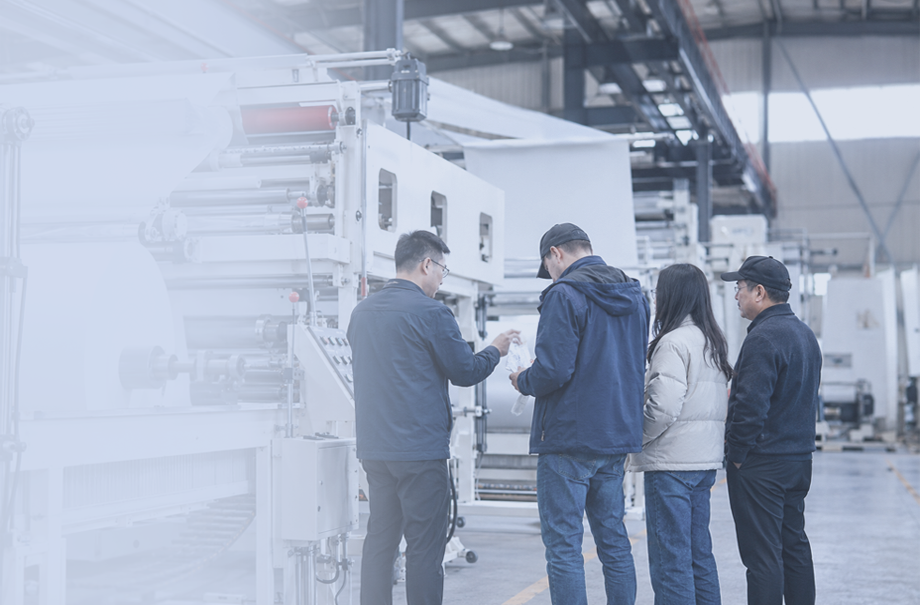
When owners, plant managers, and procurement professionals are building a tissue converting facility or making improvements to an existing one, they always have the same question: how many people are needed to run a modern production line? If you have a fully automatic toilet paper making machine, you might be surprised by the answer. Unlike older semi-automatic systems that need constant human help, modern automated systems require a lot less work while improving quality and regularity of output. A fully automatic toilet paper production line usually only needs two to four workers per shift, though this depends on the amount of paper being made, how complicated the machines are, and how long they are used. One big reason why automated tissue converting lines are so popular with both new investors and experienced makers who want to cut down on labor costs without losing quality is this model of a lean workforce.
Understanding the Fully Automatic Toilet Paper Production Line
Transforming tissues today has changed a lot in the last twenty years. A fully automated production line combines several steps into a single, unified system. This cuts down on both human work and production delays.
Key Components and Automation Features
The rewinding machine is the heart of any business that works well. This combination is shown by our 3500mm rewinding machine, which has a wall-panel base construction (30 mm thick) that is meant to reduce vibrations during ultra-high-speed production. The machine can handle finished paper tube widths from 32mm to 50mm and works with both cored and coreless rolls. It can work at speeds of up to 280 meters per minute and can handle base paper that is up to 3500 mm wide and 13 to 22 grams per square meter in weight. An easy-to-use tablet interface lets operators change the rewinding length, width, and speed without having to guess. This cuts down on setup time.
In a fully automatic toilet paper making machine line, the automatic band saw cutting machine further processes giant rolls into logs that are ready to be sold. This machine can handle rolls with lengths from 100 to 200 mm, widths from 70 to 150 mm, and heights from 50 to 150 mm. It can cut at speeds between 80 and 200 cuts per minute and a maximum length of 3500 mm. The machine works with 0.6 MPA air pressure and only 7.5 kW of power, so it accurately does its job without using too much energy.
The paper cover single-roll packing machine is used in the last step. It can wrap single rolls at speeds of up to 100 packs per minute. Pillow packaging with flat seals on both sides is used by this unit. This gives the items a professional look that store buyers like. The packing machine works with equipment further upstream to keep the flow going. It has a movable 850mm-high conveyor belt, its own power and temperature control systems, and a fully automatic device for moving materials.
These linked systems talk to each other using PLC-based program control, which lets them work together smoothly with little human input. Automation features like automatic core filling, automatic glue spraying, pneumatic paper loading, automatic paper pushing, and a smooth link between the rewinding and cutting machines greatly reduce the number of times that people have to touch the machines by hand. When you put these technologies together, they turn a process that used to require a lot of work into an organized one that puts regularity, speed, and quality first.
Production Capacities and Energy Considerations
In competitive tissue markets, it's important to get a high output while keeping energy costs low. Depending on the roll width and perforation options, a normal high-speed automatic line going 280 meters per minute can make thousands of finished rolls in an hour. The total power needed for a full line, which includes unwinding, cutting, and packing, is usually between 15 and 20 kW. This is a huge improvement over older manual systems.
This economy also applies to how work is distributed. Paper packing, diameter changes, and quality checks don't have to be done by hand as much with automated systems. Operators spend more time checking the system, restocking materials, and checking the quality of the work on a regular basis than doing the same chores over and over again. As a result, saving energy means saving time, which is a double benefit that increases return on investment.

How Many Operators Are Required: Detailed Analysis
To understand what operators need, you have to look at a number of interconnected factors that affect how you plan your workforce and your management funds.
Core Variables Determining Labor Needs
Why people are hired depends a lot on how complicated the machine is. One person might need to be in charge of each basic semi-automatic rewinder in order to add cores, change tension, and keep an eye on output. On the other hand, one operator can handle multiple machines at the same time on a fully automatic line that has auto-core feeding, auto-diameter control, and combined PLC systems.
Shift routines are also affected by how much technology there is. Facilities that are open 24 hours a day, seven days a week usually have three shifts, which means they need more workers overall. But because automated systems require less human input, each shift team is still smaller than it would be in a semi-automatic setting.
Production scale is another important factor. A small plant that makes 20 tonnes of finished goods every day might be able to get by with two operators per shift. One would be in charge of the rewinding and cutting steps, and the other would be in charge of packing and the flow of materials. For bigger businesses that make 50 tonnes or more, they might hire three or four workers per shift and give them specific jobs like quality control and preventative maintenance.
Essential Operator Roles and Responsibilities
Operators do important jobs that machines can't do, even in places with a lot of automation. Watching touchscreens for error messages, making sure that cutting speeds meet quality standards, and making sure that wrapping film feeds properly are all part of system monitoring. The PLC makes most of the changes mechanically, but workers are still in charge of finding problems early.
Preventive maintenance includes regular checks of the embossing rollers, air systems, and glue applicators. Cleaning the stamping rollers once a month and checking the air pressure systems regularly stop uneven wear and production flaws. Operators who have been trained to do these jobs can find problems before they cause costly downtime.
Troubleshooting is where an operator's skills are most obvious. Problems like paper jams, uneven cutting blades, or glue that doesn't stick evenly need to be quickly identified and fixed. Modern machines with automated troubleshooting tools give real-time feedback, but workers have to figure out what it means and decide whether to make changes to the settings or call for help from technical support.
Quality checking is still something that needs to be done by hand. To make sure that goods meet standards, operators check the finished roll stiffness, perforation consistency, and embossing definition on a regular basis. Along with automatic sensors, this visible and tactile inspection protects the brand's image and keeps customers happy.
Real-World Case Studies
A new tissue processor in Southeast Asia just put in a fully automatic line that works like our 3500mm system. The plant has two shifts and is supposed to produce 30 tonnes of material every day. Each shift has two workers; one is in charge of rewinding and cutting, and the other is in charge of packing and final inspection. This small group of four operators (working on both shifts) keeps the quality of the work uniform while keeping labor costs below 10% of all running costs.
In a mid-sized growth project in Eastern Europe, a maker switched from semi-automatic to fully automatic equipment. This cut the number of operators needed from eight per shift to just three. Not only did the change cut labor costs by more than 60%, but it also made the product more consistent because the changes that were made by hand were no longer needed because the tension control was now automatic.
These cases show that the needs of the operator depend less on the amount of raw materials and more on how well the technology works. When facilities buy fully integrated systems with tablet controls, automatic core feeding, and smooth stage-to-stage connections, they get the most work done with the fewest staff members.
Fully Automatic VS Semi-Automatic Toilet Paper Lines: Staffing Comparison
Choosing between stages of technology comes down to hiring and cost. Important steps on semi-automatic lines need to be done by hand, like adding the core, threading the paper, and cutting the log. Each of these jobs needs at least one committed operator, which means that at least five people are needed per shift. It takes weeks to train new workers because they have to learn how to make hand changes to the tension, width, and perforation spacing.
These tasks are made easier by fully automatic lines with built-in control systems. Automatic core feeding gets rid of the need to add by hand. Touchscreens let workers change the length and speed of rewinding digitally, which cuts the time it takes to switch between jobs to less than ten minutes. Automatic connection systems between the rewinding and cutting steps get rid of the need for human handling, which cuts down on both work and mistakes.
Training Needs and Skill Development
The levels of technology have very different training needs. Operators of semi-automatic machines need to know how to make mechanical changes, control tension by hand, and fix mechanical problems. It may take four to six weeks to finish this training, and operator mistakes are still a risk.
Training for a fully automatic toilet paper making machine system is easier because control is centralized through PLC and touchscreens. Operators learn how to use tablet screens, figure out what faulty alerts mean, and do regular maintenance. Training is usually over in two weeks, and after that, the chance of operator errors going wrong goes down a lot. Our systems help with hiring by providing full installation services that include thorough operator training, making sure that teams are ready to go into production from the very first day.
Cost-Efficiency Assessment
The most obvious financial gain of technology is lower labor costs. Lessening the number of operators on each shift from eight to three saves money on pay, perks, and training. Aside from lower pay, fewer workers also mean fewer mistakes, which means less waste and lower costs for rework.
Downtime costs also go down with technology. When things are done by hand, mistakes can happen that cause jams, misfeeds, and poor quality. Automated systems with self-correcting and real-time reports keep output steady, so businesses can stay profitable even when demand is high.
When procurement leaders look at the total cost of ownership, they should not only look at the initial cost of the tools but also the costs of labor, upkeep, and running the business efficiently. Fully robotic lines are the best choice for competitive tissue markets because they pay for themselves faster and save money in all three areas.
Maintenance, Troubleshooting, and Operator Skill Levels
Maintenance that is done before problems happen and skilled workers who know how to use both mechanical and digital controls are key to keeping production running smoothly for years at a time.
Preventive Maintenance Practices
Automated lines work well because they have regular repair plans. Inspections of the stamping rollers once a month make sure that the pressure is spread evenly and stop design variations. To keep air pressure at a certain level, usually 0.6 MPA for cutting tools, pneumatic systems need to be checked on a regular basis. Operators clean the glue applicators once a week to keep buildup from happening, which could lower the quality of the tail closing.
PLC systems have automated diagnostic tools that let workers know about new problems before they cause breakdowns. These tools keep an eye on motor temperatures, belt tensions, and sensor functions. They send early warnings so that fixes can be planned ahead of time instead of having to be done quickly. This method of planning ahead cuts down on unexpected downtime and makes tools last longer.
Our machines come with a quality warranty that covers the main parts for a year and gives you access to remote technical help. When operators are trained during installation, they gain the confidence to do regular maintenance on their own, only calling in technical experts for more complicated hardware or software problems.
Common Troubleshooting Scenarios
People who work in automatic lines often run into problems with paper jams. Operators working on a fully automatic toilet paper making machine can quickly identify misalignment or tension issues and use tablet controls to change settings and often clear jams within minutes. When problems keep happening, diagnostic alerts show workers how to check the feed rollers, cutting blades, and core alignment in a planned way.
Uneven cutting speeds could mean that the blades are wearing out or that the air pressure is dropping. Operators with basic technical knowledge can check the sharpness of the blades and change the air pressure settings to get the machine back to working at its best without any help from outside sources. The independence speeds up the process of fixing problems and lowers the number of output stops.
Critical Technical Skills and Safety Protocols
Glue application problems need both technical and observational skills to fix. The control screen lets the operators change the settings for the applicator and look at the glue patterns on the final rolls. When changes don't fix the problem, workers call in repair teams to look more closely at the glue reservoirs and the integrity of the nozzles.
Operators need to know how to use both computers and machines. Some digital skills are reading PLC error codes, using touchscreens to change production settings, and being able to understand automatic diagnostic reports. Regular checks, knowing how to use simple tools for changes, and being familiar with pneumatic and hydraulic systems are all examples of mechanical skills.
In high-speed work settings, safety rules can't be broken. Operators learn how to stop in an emergency, how to do repairs using lockout-tagout, and how to handle packing materials properly. As part of our construction services, we make sure that foreign standards like CE certification and ISO 9001 quality management are met by putting an emphasis on safety training. Supplier support is a key part of getting workers ready. During installation, we offer full training classes that cover all operating aspects, from starting up to shutting down.

Procurement Considerations for Optimizing Operator Use
When procurement professionals look at tissue-converting tools, they should focus on features that directly cut down on the amount of work that needs to be done while still keeping quality and dependability.
Machine Features That Minimize Labor Needs
A fully automatic toilet paper making machine with remote tracking allows managers to monitor production from anywhere. Smart controls let output factors be changed in real time, so the machine always works at its best without having to be recalibrated by hand. These features are especially helpful for businesses that work multiple shifts and need to be consistent between shifts.
The tablet control system on our 3500mm rewinding machine shows these benefits by putting all the changes for rewinding speed, length, and width in one place. The PLC-based program control system makes sure that the rewinding, cutting, and packing steps can talk to each other and make the changes happen smoothly without any help from a person. The automatic core filling and paper pushing functions get rid of the need to do the same things over and over again. This lets workers focus on overseeing rather than doing hard work.
The automatic band saw cutting machine cuts down on user work even more by cutting at speeds of up to 200 cuts per minute and with more accuracy than human work. Cutting measurements that can be changed to fit a wide range of products can be used without a lot of retooling or extra work.
The last piece in the automatic chain is the Paper Cover Single Roll Packing Machine, which can wrap finished rolls at up to 100 packages per minute. Its fully automatic material transportation system and separate power systems keep it running smoothly, even during production runs with a lot of parts. All of these features work together to make an environment where workers can watch and improve things instead of doing them by hand, which increases productivity per person-hour and lowers the total cost of labor.
Installation Services and Operator Onboarding
Thorough installation services that go beyond technical setup are needed for new tools to work well with existing ones. Our team does installation, testing, and commissioning on-site to make sure tools work the way they were meant to from the start. We give full training to operators that includes how to start up, change parameters, do regular maintenance, and figure out what's wrong.
This hands-on training speeds up the process of getting workers ready, so managers can reach full production capacity in days instead of weeks. Manufacturers can avoid the hidden costs of learning by trial and error, production delays, and quality problems during ramp-up times by engaging in quality onboarding.
Trusted Manufacturers and After-Sales Support
Brand reputation is important in buying risk management. Henan Hengyu Machinery Co., Ltd. has been making equipment for tissue paper for more than 20 years and specializes in full production line solutions for the tissue converting business. We have all kinds of machines, like toilet paper machines, face tissue machines, serviette machines, and kitchen towel machines. All of them meet CE and ISO standards.
We can make machine setups, product sizes, branding, and working languages fit the needs of each market thanks to our strong R&D and ODM/OEM customization skills. We help customers start and grow their tissue paper businesses around the world by providing fast shipping, global logistics support, and expert service for life. Long-term operating success depends on picking a provider with a track record of exporting to other countries and full after-sales support.
Conclusion
Today, converting tissues has hit a point where technology offers clear benefits in terms of saving time, ensuring quality, and keeping costs low. A fully automatic toilet paper making machine production line usually only needs two to four workers per shift, which is a huge savings on labor costs compared to semi-automatic options. These systems allow small groups to produce a lot of work with little help because they have advanced features like automatic core feeding, touchscreen control, and smooth connection between stages. Procurement pros who put a high value on automation sophistication, supplier image, and full training support will set up their facilities to stay competitive in global markets that are always changing. Buying fully automatic systems isn't just a matter of spending money; it's a smart move toward better operations and long-term profits.
FAQ
Can a Fully Automatic Toilet Paper Making Machine Operate with Just One Operator?
Small-scale operations could possibly run on a single shift, but most factories hire two to three operators per shift to make sure there is constant tracking, quality control, and quick troubleshooting. Automated systems make a lot of human work easier, but having more than one person lets you take breaks, do repairs, or respond to emergencies without stopping production.
How Does Operator Count Affect Total Cost of Ownership?
Cutting the number of operators per shift from eight to three can cut costs by more than 60%, which directly boosts profits. Fewer workers also mean less loss, less money spent on training, and fewer mistakes. Over a five-year period, the lower cost of labor alone can often cover the higher initial investment in fully automatic equipment, making it a good choice.
What Training Is Required for Operators on Fully Automatic Lines?
About two weeks of training are needed to teach operators how to use the tablet interface, change parameters, do regular maintenance, and fix simple problems. Semi-automatic systems need a lot of technical knowledge, but automated lines make things easier to do by having controls that are easy for anyone to use and tests that are done automatically. Full installation services that include training on the job speed up the readiness of the workforce and make sure production runs smoothly from the start.
Partner with HENGYU for Labor-Efficient Tissue Production Solutions
At Henan Hengyu Machinery Co., Ltd., we know that the key to your business's success is reducing the number of people who need to operate the machinery and improving the quality of the output. Our fully automatic toilet paper production lines use cutting-edge automation technology and strong engineering to make machines that work very quickly and reliably. As an experienced maker of fully automatic toilet paper making machines, we offer full total solutions, from designing and customizing the machine to installing it, teaching the staff, and providing technical support for life. Contact us at doris@hytissuemachine.com right away to talk about how our knowledge and well-tested tools can help you make your production more efficient and get your money back faster.
References
1. Smith, J. (2021). Automation in Tissue Converting: Strategies for Labor Optimization. Industrial Paper Review Press.
2. Zhang, L., & Wang, H. (2020). Advanced Control Systems for High-Speed Tissue Machinery. Journal of Paper Manufacturing Technology, 45(3), 112-128.
3. Johnson, M. (2019). Cost-Benefit Analysis of Fully Automatic vs. Semi-Automatic Production Lines. Manufacturing Efficiency Quarterly, 12(2), 67-82.
4. Patel, R. (2022). Operator Training and Skill Development in Modern Tissue Plants. Global Tissue Industry Insights, 8(4), 201-215.
5. Chen, Y. (2020). Energy Efficiency and Labor Productivity in Automated Tissue Converting. International Journal of Industrial Engineering, 34(1), 45-59.
6. Garcia, A., & Lopez, F. (2021). Maintenance Best Practices for PLC-Based Tissue Production Systems. Machinery Reliability Journal, 29(5), 134-149.
_1787294187070.webp)
_1784082301486.webp)