Driving Innovation in Paper Production - Mini Tissue Paper Making Machine
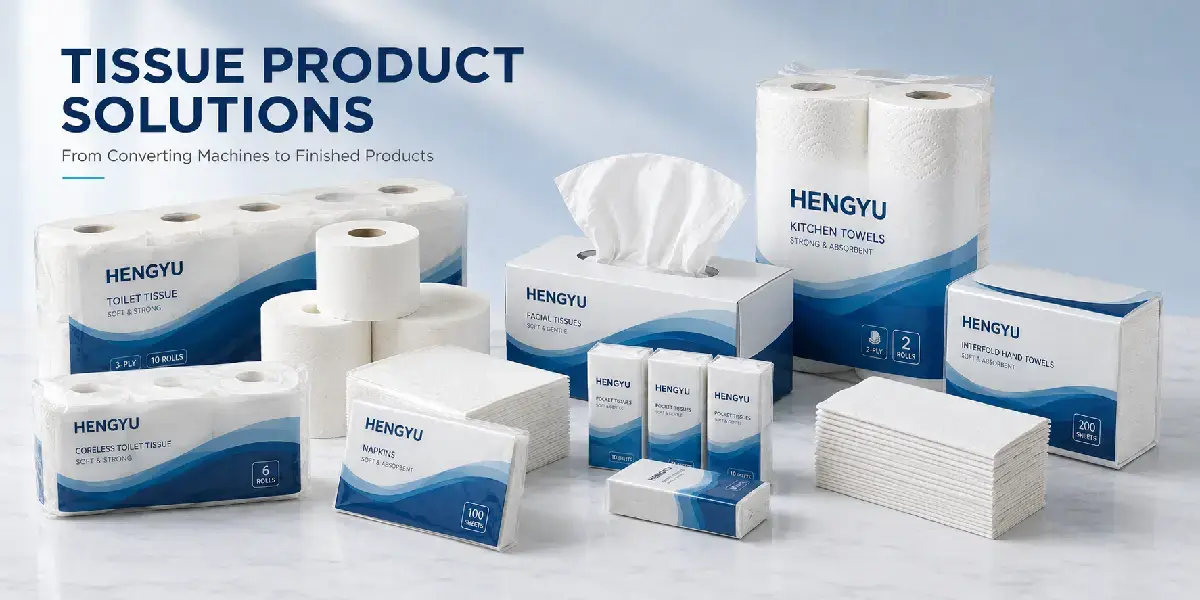
If you have ever wondered how small factories in Nigeria, Kenya, Vietnam, or Bangladesh compete with established tissue brands using limited floor space and modest capital, the answer often starts with one piece of equipment. A mini tissue paper making machine is a compact, fully automatic converting system that transforms jumbo parent rolls into finished soft pack facial tissue products. It integrates folding, cutting, embossing, and packaging into a single streamlined workflow, making it an accessible entry point for first-time manufacturers seeking real production independence.
Understanding Mini Tissue Paper Making Machines: How They Work and What Sets Them Apart
When a large parent roll is fed into the machine, the conversion process starts. The web goes through a station that embosses the edges. Blank steel lines press patterns that are the same across the whole width of the sheet. Then, a pneumatic point cut system makes precise holes in the tissue, and the cutting blade trims each piece to the target size, which is usually 180 × 200 mm but can be made to any size.
The Role of PLC Automation in Small-Scale Tissue Lines
PLC-based controls make sure that every station has the same tension, speed, and cutting time. A touchscreen interface lets operators control parameters, which cuts training time by a large amount. With electromagnetic frequency control, the speed of production can rise from 0 to 100 m/min without causing any mechanical shocks. This keeps the paper web and the cutting parts safe.
Why Compact Footprint Matters for Emerging Market Factories?
The whole HENGYU facial tissue line fits into 150 to 200 square meters, which is a big plus if your lease covers a small workshop. The cutting unit is 3,500 mm long, 1,700 mm wide, and 2,500 mm high. The auto-bagging system is 5,600 mm long, 2,500 mm wide, and 1,200 mm high, and its height can be changed. This modular plan can be changed to fit current loading docks and column placements, so you don't have to rebuild your building around the machine.
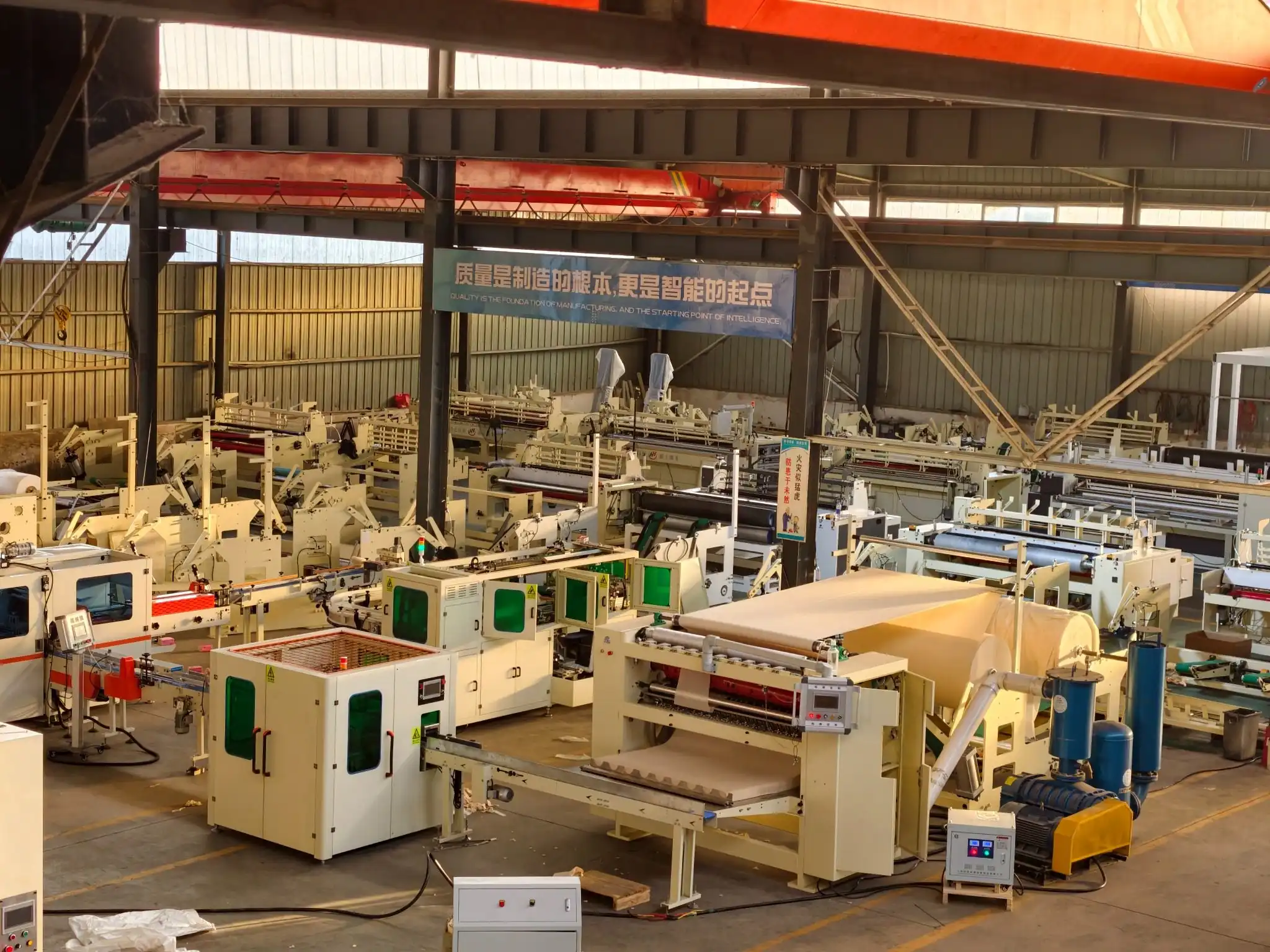
Comparing Mini vs. Standard Tissue Paper Machines: Making the Right Choice
Standard industrial tissue lines can make a lot of tissue, but they need a lot of money, a big factory, and a team of engineers who work on them full-time. For businesses who want to open small stores and convenience stores, that level of scale isn't needed or even possible in the beginning.
A mini tissue paper making machine moving at 100 m/min and cutting at 20 to 260 cuts per minute makes enough to serve local grocery stores and street sellers at the same time. The auto bagging and closing machine makes 20 to 25 packs per minute, which means that the product is ready to be put on the shelf without any help from a person. Electricity costs stay stable over long shifts thanks to main power consumption of 3 to 5.5 kW.
Here are the core differentiators that set mini lines apart from their industrial counterparts:
- Energy efficiency: The frequency control system makes sure that the right amount of power is drawn at each speed setting. This way, you only pay for the energy that your process needs instead of running a motor at a fixed speed when it's only partially loaded.
- Operational flexibility: Because the process height can be changed from 30 mm to 130 mm, a single line can make different types of products, like flat packs, cube boxes, and travel-size units, without having to switch out major parts.
- Lower barrier to entry: The HENGYU line's CE and ISO 9001 certification meets the needs of African, Central Asian, and Southeast Asian markets for imports, lowering the risk of customs and buyer hesitation.
- Voltage compatibility: The system can work with 380V/50Hz, and HENGYU's tech team can help with pairing voltage stabilizers in places where the grid supply isn't stable.
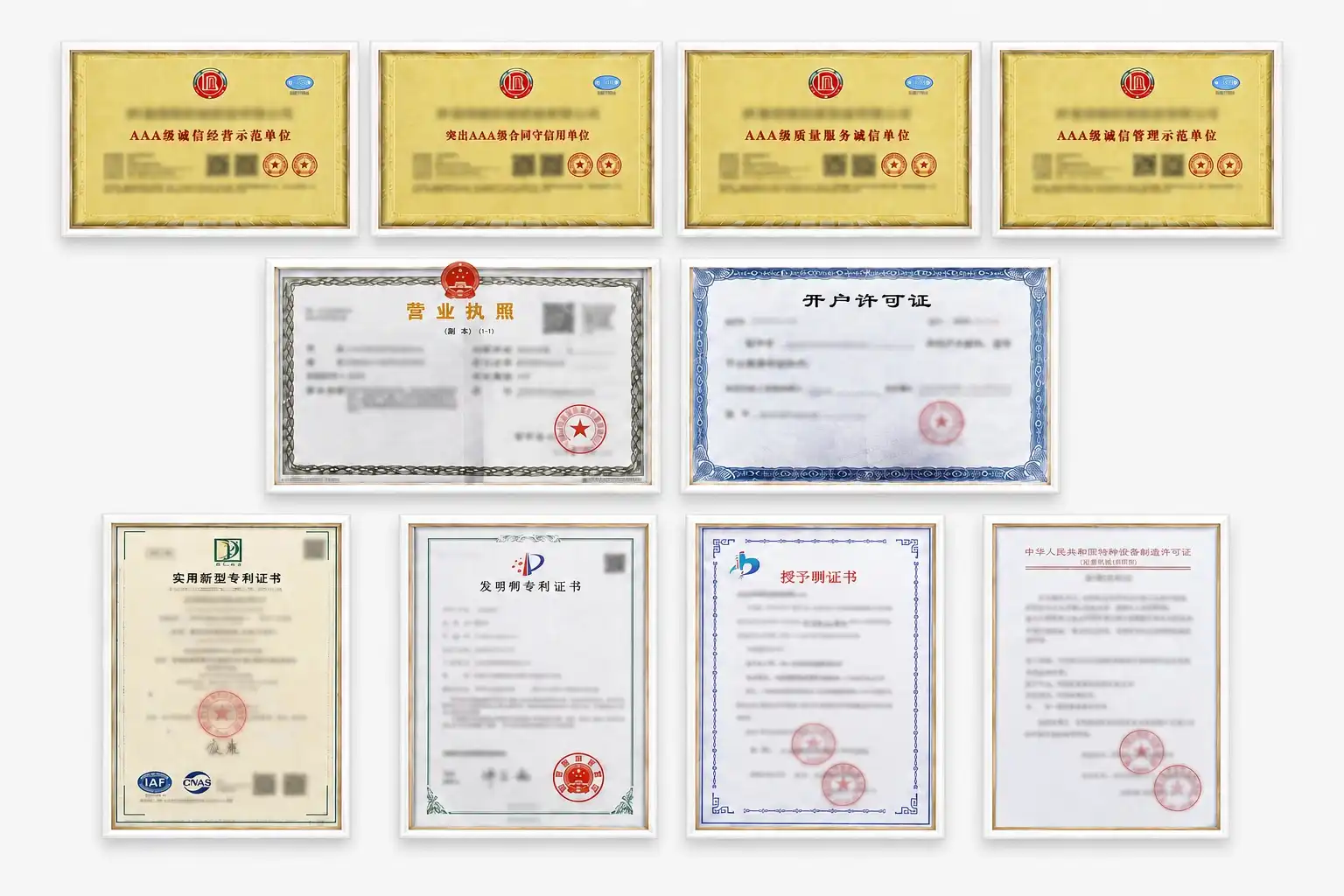
Because of these factors, growing tissue businesses can start making money in months instead of years. Under normal working conditions, the payback time is usually 12 to 18 months.
Procurement Guide: How to Select and Purchase Your Mini Tissue Paper Making Machine?
To choose the right facial tissue production line, you need to match the technical specs with the facts of your business. Because it can handle paper widths from 70 mm to 110 mm and 76.2 mm inner-diameter jumbo rolls, you can get parent rolls from different suppliers in your area without having to change the equipment.
What to Verify Before Signing a Supply Contract?
Buyers should make sure that the machine has the right CE and ISO 9001 certifications, ask for a video of the Factory Acceptance Test (FAT) running on the target gsm paper for at least four hours, and make sure that the shipment comes with spare parts like embossing rollers, cutting blades, and solenoid valves, as well as English-language operation manuals and PLC program backups. ISPM-15-treated wooden crates are normal for HENGYU exports, and they meet the quarantine rules of most countries where the goods are going.
Remote Installation and After-Sales Support
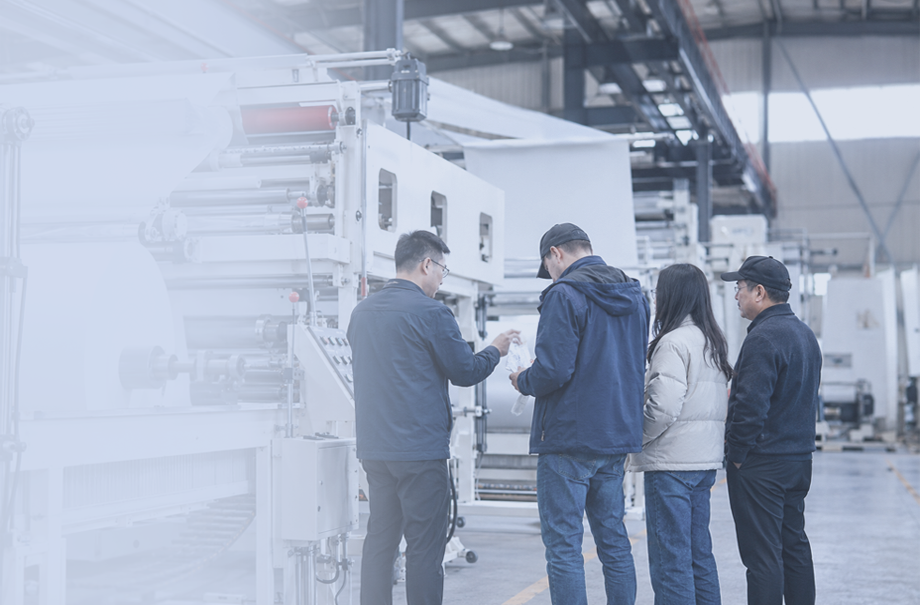
Over 95% of HENGYU customers are able to successfully complete installation with the help of guided video sessions. With the team's bilingual technical documentation and lifetime online help, you don't have to rely on on-site experts, who might not be available in rural places. During the 12-month warranty time, troubleshooting through WhatsApp is possible. This makes sure that machines start working right away, instead of sitting idle while experts get their visas processed.
Driving Efficiency and Quality: Optimizing Your Tissue Production
Keeping a small group of variables under control is key to getting consistent results. A lot of the quality differences in mini tissue paper making machines are caused by things like jumbo roll tension, embossing nip pressure, and the state of the cutting blade. The HENGYU system takes care of all three by using separate controls on the embossing station and a 610 mm diameter knife that spins at 980 rpm. This makes the blade last longer by improving the cutting shape and lowering thermal stress.
Vacuum systems with power ratings between 7.5 and 11 kW keep the paper moving reliably at full production speed, stopping web flutter that leads to mistakes and lost material. High-quality tungsten steel blades should be inspected every three to six months and replaced or sharpened once a year at normal production levels. This is a maintenance schedule that a small factory team can handle.
When operators check the accuracy of the perforation pitch and the regularity of the stamping across the width of the web, they will find mechanical wear early, before it affects the look of the product or causes customers to return it. The PLC system keeps track of operational data that helps find patterns and helps maintenance decisions that are well-informed.
Conclusion
One of the easiest ways for businesses in Africa, Southeast Asia, South Asia, and Latin America to get into manufacturing is with a mini tissue paper making machine. An investment is much less risky if the machine has a verified certification, comes with all the necessary paperwork and spare parts, and has reliable remote installation support. The HENGYU combined system, which includes cutting, folding, embossing, and packing all in 200 square meters, is designed to work with that starting point. The equipment makes its point clear by giving a consistent product, low running costs, and a realistic way to start making money in 12 to 18 months.
FAQ
Can this machine process recycled fiber paper?
Yes, as long as the large roll has enough tensile strength, which is usually more than 13 gsm. While virgin pulp gives better embossing definition, recycled grades are good for low-cost products aimed at price-conscious retail channels.
What daily output can I realistically expect?
The line works a normal eight-hour shift and makes about 1.5 to 2.5 tons of finished facial tissue, based on the sheet gsm and automatic settings. Higher gsm grades slightly slow down the useful flow.
How long does installation take via remote video guidance?
With the video support program, most customers can finish mechanical installation and the first test production in five to seven days. At every important stage, HENGYU offers live video calls and step-by-step English instructions.
Are custom tissue sizes available?
The normal output is 180 × 200 mm, but the order of the cutting blades can be changed to accommodate other sizes. Because the rollers for embossing can be switched out, custom brand patterns can be added using steel rollers that have been CNC-engraved.
What certifications does the machine carry?
The HENGYU mini tissue paper making machine has CE and ISO 9001 certification, which means it meets the requirements for importing into the European Union, Central Asia, and Africa.
Start Your Tissue Business with HENGYU — Request a Free Consultation Today
The mini tissue paper making machine supply team at HENGYU is ready to help you look over the specs, make sure the voltages work together, and make a production plan that will work for your market. For full technical datasheets, film demos, and information on spare parts, email our expert directly at doris@hytissuemachine.com or visit hytissuemachine.com for full technical datasheets, video demonstrations, and spare parts information. HENGYU turns your investment into a running production line, not a question mark. They have more than 20 years of experience making things, are CE/ISO certified, and offer lifetime technical support.
References
1. TAPPI — Tissue Manufacturing and Converting Technology Journal, 2023.
2. FAO — Global Pulp and Paper Statistics Report, 2022.
3. Grand View Research — Tissue Paper Market Size, Share & Trends Analysis Report, 2024.
4. PMMI — State of the Industry: Packaging Machinery Report, 2023.
5. World Bank Group — Doing Business: Small Manufacturing in Emerging Markets, 2022.
6. ISO — ISO 9001:2015 Quality Management Systems — Requirements, International Organization for Standardization, 2015.
_1787294187070.webp)
_1784082301486.webp)