What Are the Benefits of a Facial Tissue Paper Machine?
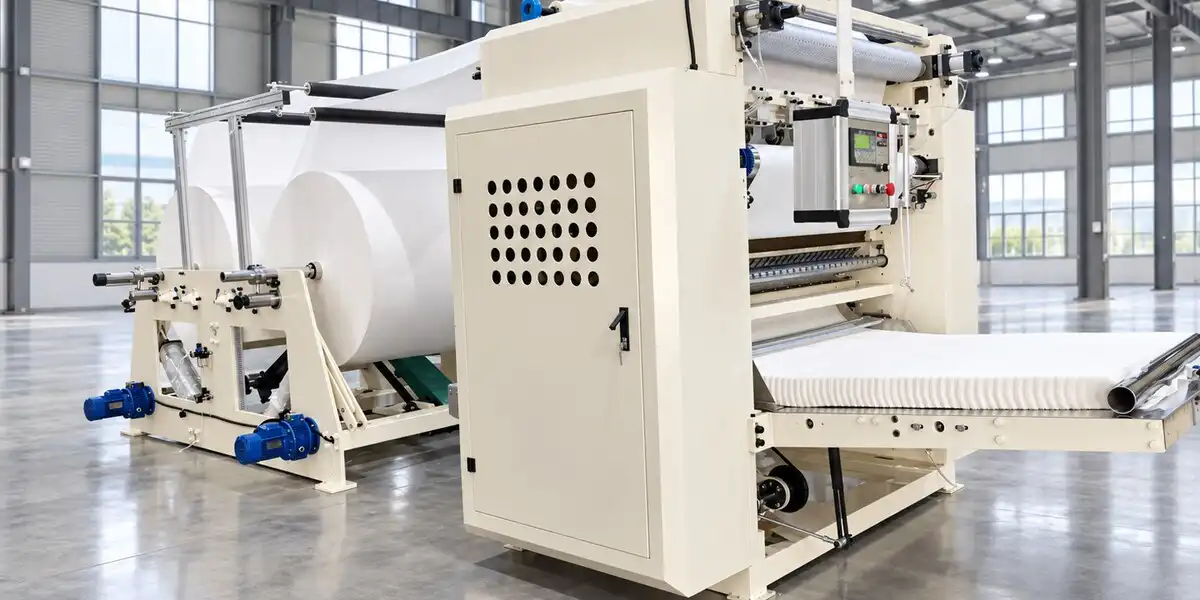
A facial tissue paper machine turns large jumbo rolls into folded, counted, and stacked tissues that are ready to pack. Its main benefits are higher output, lower labor needs, steadier fold quality, less material waste, and the freedom to make several products on one line. The HENGYU HY-1300 runs at 500–1000 sheets per minute per row and uses vacuum adsorption folding with 4+4 embossing units. For family-owned plants moving from a small line to a mid-size operation, these features can lower the cost per pack and support retail and wholesale orders together.
What Is a Facial Tissue Paper Machine and How Does It Work?
From Jumbo Roll to Finished Tissue
Before buying something, people should make a list of what they need. Write down the names of the facial tissues you want to sell. Soft pack, V-fold, N-fold, and boxed are all good choices. You should write down how many stamps you want, how many packs, and how many plies. Next, try to guess how much demand there is now and how much demand there will be in two or three years. Write down who can work and when they can do it. The facial tissue paper machine needs to be able to handle the big rolls' length, weight, sod, and size. Also, don't mix up the top speed and the steady speed. A line doesn't stay fast all day. Request quotations from different suppliers based on the same specifications, including tissue size, ply, production speed, and automation level. This makes it easier to compare machine prices and configurations accurately.
Core Systems Behind Steady Folding
There is a right way to stack, count, and pack giant rolls. Taking it apart, changing the tension, web leading, joining the plies, stamping, folding, cutting, stacking, and packing are the eight steps. With each step, the waste, work, and break amounts change. Don't let your worry get the best of you, though. The paper might tear. If you don't fold it right, the stacks won't be even, so it will take longer to pack. Before you go shopping, write down the kinds of folding machines you need. Would you like one that cuts and folds, folds itself, or packs up? Before you go shopping, make sure the folder you buy won't take up too much room. To save time and money, you can teach robots what to do and then check that they did it.
HY-1300 at a Glance
Every business has its own wants. For the most part, people who only make small amounts of goods want something small, with controls that are easy to use, a moderate output, and the option to add more space in the future. A business plant that makes many things might need to quickly split up, get its servos in sync, and move from one job to another. You need to know the right way to fold, count, and squeeze facial tissue. To make pocket tissue, fold it up small and wrap it in several packs. The medium-sized machine has several lines and different stamping patterns, so any size business can use it. It will save you money because you won't have to buy a whole factory line. You can save money and still have a lot of choices if you pick the right machine for the job.
What Are the Main Benefits of a Facial Tissue Paper Machine?
Higher Output With Less Labor
The one you choose will depend on how much work you need, how you want to grow, and how much money you have. To save money and time, new businesses can get their machines half-automated. However, they still have to count and pack by hand. You have to pay more, plan ahead more, and hire trained workers when you use automatic lines. They can count and fold more often, make more things, and do not have to work as hard. You can keep the old folder or get a new facial tissue paper machine that you can use by hand or partly automatically. Write down how many times it breaks, how many times it's sent back, and how many times each shift it's used. In addition, evaluate how long each changeover takes, how much maintenance costs, and how consistently the machine performs during daily production. Most HENGYU customers say that semi-automatic methods save them 40% to 50% on the cost of work. Any service you use should be able to check your line.
Consistent Quality From Vacuum Adsorption Folding
If you want to know more, don't just look at the numbers. Instead, compare what you already have with what you want. Check out the steady speed, the number of plies, the size of the tissue, the type of fold, the number of sheets per pack, the accuracy of the cut, the way the stacks are matched up, and the choices for embossing. If you use bigger formats, more than one ply, or a lot of changeovers, a machine with a fast top speed might not give you as much. Find out how the test run went and what other sets are like the one you have. Ask for samples of your paper. Be extra careful when you fold. Each sheet stays put when you fold it this way because it pulls together. The old ways didn't always get the stacks and folds lined up right, but the new ones do. You can see how much money you make each month and spend it wisely with these checks.
Flexible Products From One Line
You can print different designs with the 4+4 plan, and you can use the same tools to make V-fold, N-fold, boxed tissue, and soft pack facial tissue. Depending on the season, you can quickly switch between these kinds of tissue. Every hour, there will be more packs if you add more lanes. The floor space and power will both be the same. Each pack costs less. You can test how well the stacks line up, and the folds work with your own paper.
How Does a Facial Tissue Paper Machine Improve Business Profitability?
Lower Cost Per Pack
Work, output, and energy should all be added to your cost plan. VFDs that can be set to "idle" mode, vacuum systems, fans, servo motors, and other things should be on your list. Do not mix the power that is placed with the power that is normally used. The U.S. paper industry often uses motors that don't work well and drives that let them change the speed to save money. Next, write down all the costs that come with running the business. Shipping, setup, power, work, supplies, extra parts, fixes, downtime, and packing waste are some of the things that should be on this list. Have a voltage stabilizer ready in case the grid power isn't stable. This way, the motor and PLC will be safe. Please check before ordering the machine voltage, power rating and electrical frequency necessary. In the U.S. , the usual frequency is 60 Hz . Other markets may utilise 50 Hz . Verify that the electrical arrangement of the machine meets the power supply in your plant. Operating costs should be assessed not just on the basis of purchase price but also energy usage, labour costs, maintenance charges and predicted return. It's better to show this with the return and earnings margin every month.
A Growth Step Between Entry-Level and Full Industrial Lines
Make sure the frame is stable and that the electrical cabinets, bearings, gears, servo systems, PLCs, hydraulic parts, cutting blades, and places where work can be done are all in good shape. Find out what the seller can change, such as the voltage, the size of the tissue, the layout of the plies, the writing patterns, the shapes of the packages, and the language used at work. There should be guards, locks, emergency stops, and power security to keep things safe. What is IEC 60204-1? It talks about how the electrical parts of machines work. ISO 12100 is a set of rules for making machines safer. The service company needs to show that they know these rules. This law from 2006/42/EC tells us how to put the CE mark on things so they can be sold in the EU. Finally, before you place your order, make sure you know the sizes, the strength of the floor, the utility needs, the upkeep area, the noise, the dust, the path, and the certificates. The facial tissue paper machine helps growing plants add capacity at a steady pace.
Checking Payback Before You Buy
It is important to have a good machine, but it is even more important to have a good person make it. They should also say how many items they've sold, how long they've been in business, how big their plant is, who works there, how they test their goods, and if they have extra parts. As soon as possible, you should ask about things like stable output, range of packaging, power use, installation, training, warranty, and more. Find out who hires the workers, who can help you from afar, how long it takes to get a response, and if there is a list of possible replacement parts before you buy something from another country. Ask the supplier whether remote video support is available for installation and troubleshooting. For overseas buyers, remote technical assistance and access to spare parts can help reduce downtime and service costs. Another sign that the plant knows how its processes work and is in charge of them is a quality management certificate like ISO 9001.
What Types of Facial Tissue Machines Exist, and How Do You Choose?
Semi-Automatic, Automatic, and Integrated Lines
For instance, the price of a facial tissue paper machine depends on how automated it is, how much it can hold, how wide it is, how the sheets are folded, how they are embossed, how the packages are put together, the brands of the parts, the level of customization, the service scope, and the brands of the parts. Find out how well it works with other things, how long it's been used, and if it comes with extra parts. You can also choose one that is new, used, restored, flexible, or "turnkey." You should be able to add any extra parts you want to the main machine. It's also good to be able to pick out the packing supplies, the setup, the training, the warranty, the shipping, the insurance, the payment terms, and the delivery date. When you send something out of the country, you have to pay for things like filling the container, import fees, customs papers, and the power rules of the country. People can now see Incoterms 2020 thanks to the International Chamber of Commerce. The buyer and seller talk about how they split costs, risks, and stocks. Pay close attention to the word you choose.
Selection Criteria That Matter
A review helps you make a fair choice when you need to. Write down the things that are important to you, such as quality, safety, uptime, security, customization, shipping, ownership cost, seller image, extra parts, installation, service, and how well the product works with other things. You should give each thing a weight that shows how important it is to you. A business may care most about how much something costs and how well it is trained. For a big service, it might matter more that things are quick and simple to use. Find out how much each company knows about the market, technology, and how to deal with people. Now, give each answer a score. Those in charge of work, making things, and money can all read the same paper at the same time. This way, bugs are shown that a well-made presentation might hide. It's possible that getting the best price will lead to more trash, more downtime, more work that costs more, or more things that cost more. Don't think that the fastest speed will get you to the same result if the size, ply, stamping, or packing changes. Repairs and shift changes can cause daily output to drop more than planned.
A Short Buyer Checklist
Here are five things I believe you should do. Make a list of everything you need to do the job first. You should write down the needs for size, shape, output, raw materials, packing, services, and transportation in order to make this list. Second, make a short list of people who have worked with engineers and exports before. Third, ask for past work, such as projects, models, or videos from the set. You can also use plan pictures as guides. Fourth, examine how much each idea costs, how quickly it works, how much power it needs, how much it earns, and how much it costs to own all of them. Fifth, make sure the contract spells out how to set up, train, cover, pay, fix problems, and give extra parts in case things don't go as planned. So get up early and write down everything each person says. This way, it might take a few months.
What Should Buyers Know About Energy, Maintenance, and Suppliers?
Energy Use and Compressed Air
The HY-1300 facial tissue paper machine is made by Henan Hengyu Machinery Co., Ltd. for companies that want to do more than just make cheap lines. It can fold up to 900 mm wide sheets of paper at a rate of 500 to 1000 sheets per minute per row. The very large roll is 1600 mm long, 1200 mm wide, and 76.2 mm wide at its widest point. There are 4 units in the front and 4 units in the back. The main unit has 4 kW of power. The machine needs more than 4 kg/cm² of compressed air to work. Make sure you have enough floor space and a strong floor before you order. It's 6000 mm long, 2100 mm wide, and 1900 mm high.
Maintenance and Spare Parts
Plan preventive maintenance from the first day. Check out the warranty, the background of the gear, the customer service for getting new parts, and how well it works with other home electronics. Always keep extra parts on hand and know how to quickly get help. Before you place your order, you should make sure you know how things work. The price and how well it works will depend on how it is set up and the weather where you live. Written maintenance logs also help you spot patterns early.
Installation, Plant Readiness, and Supplier Support
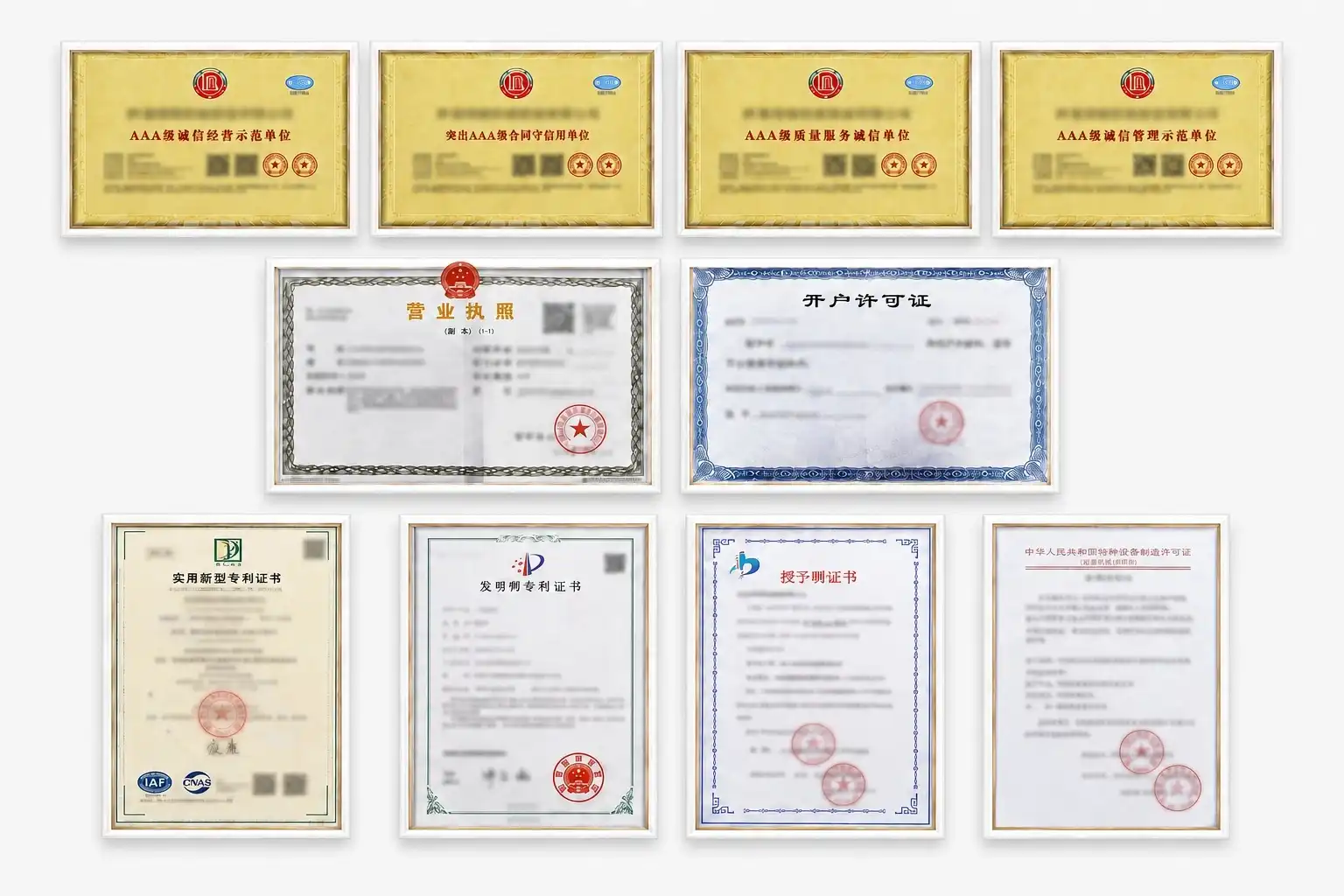
That machine hasn't been used to make different kinds of paper from tissue in more than 20 years. There's going to be no more toilet paper, hand towels, or kitchen towels! All of them can be made with the tools we have. Their techs have seen them a lot of times and know how to fix them. The rules that CE and ISO make are followed by our tools. More than 95% of our customers can finish the process with the written steps and videos. In other words, they don't need a worker to come out very often. It's free to change the machine's brand name, size, settings, and the language it runs in. If the power at your business isn't stable, please let us know right away. After that, we can talk about how to keep the PLC and main motor safe.
Conclusion
Write down what the goods, output, raw materials, and workspace will be like before you go shopping for a facial tissue paper machine. At the end, there is a contract that spells out the exact details of the deal. More important than price or top speed are stable output, folding method, cutting range, energy use, safety, and help after the sale. You can look at all the prices at once and compare quotes that are ranked by how important they are. Things are more level, and you don't have to do as much work when you have automatic lines. They have facts, cases, and proof to back up what they say. This is how things are done with the HY-1300. It can vacuum-adsorption fold, 4+4 stamp box, V-fold, N-fold, and soft pack items. There are many lines in it. In real life, this means making a choice based on facts and help, not just rules.
FAQ
1. Can the HY-1300 make more than one tissue format?
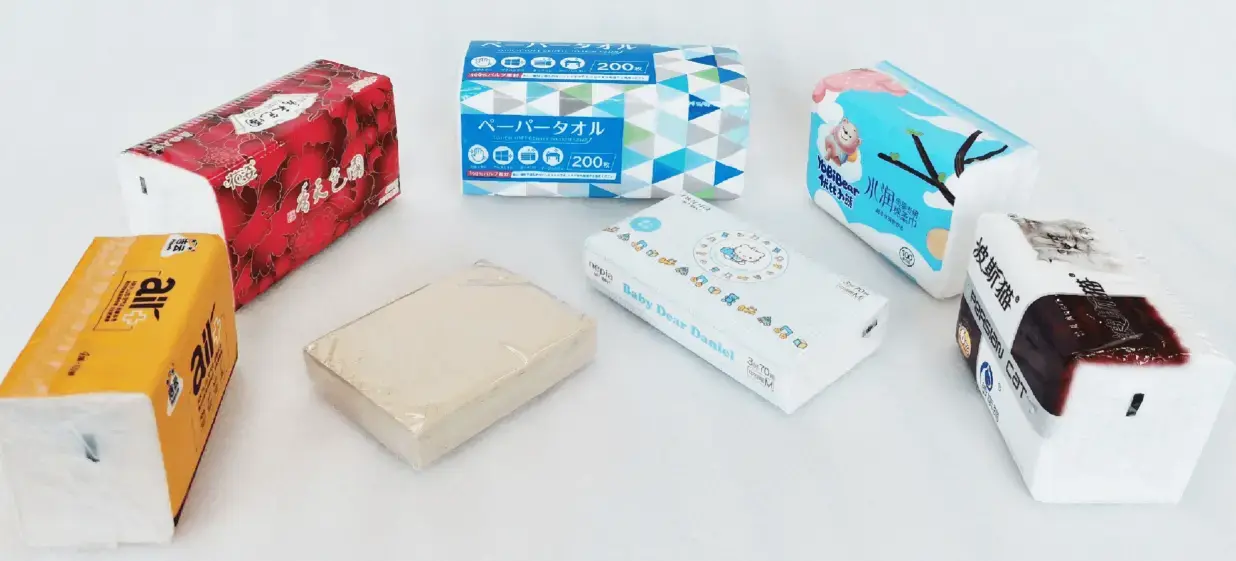
Yes, the HY-1300 can manufacture various facial tissue formats such as V-fold, N-fold, boxed tissue and soft-pack face tissue, depending on the design and specifications of the machine in force. Check with your supplier before ordering that the machine will fulfil your production requirements. Confirm the sheet size, number of plies and pack size you need.
2. Do I need a technician on site for installation?
Not really. HENGYU says that more than 95% of its clients can implement the procedure using written instructions and videos. However, the need for on-site technical assistance will depend on the configuration of the machine, manufacturing circumstances, and the installation expertise of the customer. Before purchase, check with the provider that the installation requirements and remote or on-site assistance provided are acceptable.
3. What does the machine need from my plant?
The HY-1300 needs enough floor space, the right foundation, and an appropriate power supply and compressed-air system. As the article states, the machine measures 6,000 × 2,100 × 1,900 mm and needs compressed air pressure exceeding 4 kg/cm2. Before installation, please check floor load capacity, electrical requirements, compressed-air supply and maintenance clearance with HENGYU. Verify that the factory layout can allow the loading of materials and the handling of final product.
Request a Facial Tissue Paper Machine Quotation From HENGYU
How high a bar do you set for electricity? Please tell us about the type of tissue, ply, pack size, production goal, raw material, and plant site. These people can tell you which setup works best. Parts of the facial tissue paper machines our company makes meet CE and ISO standards. It's been in business for a long time. We'll also help you get online and give you free tech support for life. You don't need to ask us about prices anymore. To find out more about the HY-1300, email hengyu@hytissuemachine.com.
References
1. Handbook of Pulping and Papermaking, 1996
2. Papermaking Science and Technology, 2000
3. ISO 9001: Quality Management Systems – Requirements, 2015
4. ISO 50001: Energy Management Systems – Requirements with Guidance for Use, 2018
5. Directive 2006/42/EC on Machinery, 2006
6. Improving Compressed Air System Performance: A Sourcebook for Industry, 2003