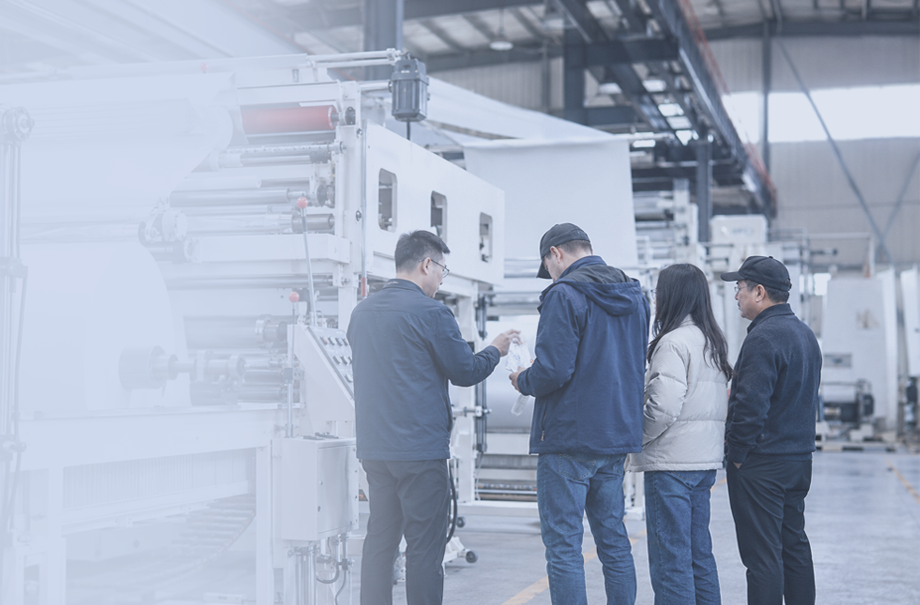
Facial Tissue Paper Machine for High-Efficiency Production
A facial tissue paper machine turns large jumbo rolls into folded, embossed, ready-to-pack facial tissues. High-efficiency production comes from matching its speed, folding method, and embossing setup to your real product plan. The HENGYU HY-1300 folds 500–1000 sheets per minute per row, uses vacuum adsorption folding to keep folds aligned, and carries 4+4 embossing units for varied patterns. In this guide, I explain how the equipment works, how to compare options, and what to check before you buy, so you can decide with facts instead of guesswork.
Understanding the Facial Tissue Paper Machine
What Is a Facial Tissue Paper Machine?
This word refers to three different kinds of gear. First, there's a machine that takes used tissue paper and rolls it up into big rolls. The second one is a facial tissue paper machine that takes those rolls and makes facial tissues out of them. In the third line, paper is made, then changed into other shapes, and finally packed up. You should make this choice first because each category has different costs, capacities, technical challenges, and raw materials. A plant that gets big rolls from other mills doesn't need a paper mill. Instead, it needs a facial tissue paper machine that changes the size of the rolls. Box tissues, pocket tissues, and soft-pack tissues can be bought by stores, hotels, hospitals, and private-label customers. For a business, high efficiency means steady output, good quality, low waste, manageable energy use, and good expert help.
How Does a Facial Tissue Paper Machine Work?
It has two parts that work together. Mills begin by making pulp or using fiber. After that, they clean, cut, press, dry, bind, and wind the paper into big rolls. How soft, absorbent, and strong something is depends on the type of fiber, how wet it is, and how it is dried. The HY-1300 unwinds the giant roll, embosses the web, folds it, cuts it, numbers the sheets, and stacks them so they can be packed. The process of embossing gives something more style, weight, and softness. What kind of fold, like V-fold or N-fold, the sheets need to be able to fit into the package and be easy to take out.
Main Components and Line Configuration
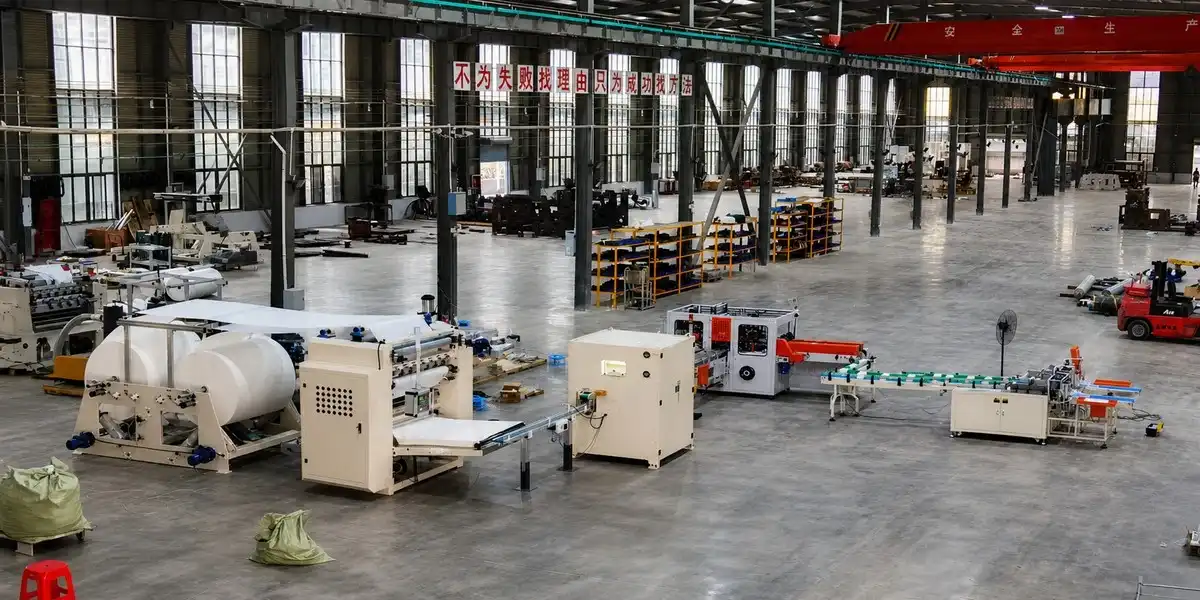
A conversion line is made up of parts that work together. Some of the most common units are a tension control, an embossing roller, a folding unit, pilers, conveyors, greasing, a giant roll stand, and cutting. Often, the equipment that is used to package, carton, and collect dust is further down the line. There are parts of a paper-making line that make the pulp, the headbox, the forming, pressing, drying, creping, and winding. A 4 KW main unit powers the vacuum adsorption folding unit and the 4 front and 4 rear embossing sets. These are the most important parts of the HY-1300. You should choose early on whether a stand-alone machine or a mixed line is best for your needs in terms of space, skilled workers, and future growth. It takes time and floor space to add units after the fact.
Types, Speed, and Energy Use in Facial Tissue Production
Types of Facial Tissue Machines
People who want to buy tools can sort them by what they do, how automated they are, and how many lanes they have. When you buy semi-automatic converting equipment, it costs less and works well in small shops, but more people need to work on the line. Automatic systems with more than one lane give more consistent results with less work, which is important as the number of requests grows. Machines with one lane are flexible and easy to use, but facial tissue paper machines with more than one lane make more per hour. The HY-1300 is between small units and large business systems. Since it's 900 mm wide, it can handle more than one lane. This means that a factory that's growing can serve both retail and wholesale customers at the same time. Always know the sheet size, number of plies, stamping style, voltage, and any future OEM needs before you make a choice.
HY-1300 Specifications at a Glance
Everyone who buys something from me gets this list of numbers. The HY-1300 is a facial tissue paper machine. It can fold between 500 and 1000 pieces per minute in a row. Extra-wide paper up to 900 mm wide and big rolls up to 1600 mm across can be used with it. It works with a diameter of 1200 mm and has a core that is 76.2 mm across. There are 4 sets in the front and 4 sets in the back. It takes 4 KW of power to run the main unit, and the user gives it more than 4 kg/cm² of air. It's 6000 mm x 2100 mm x 1900 mm altogether. This is what your expert can use to check the room, power, and compressed air before you place your order.
Measuring Capacity, Speed, and Energy Use
What the rated speed doesn't tell you is what you can sell. Every minute, you could line up 500 sheets, which would be 30,000 sheets an hour. At 1000, it's 60,000. There are many things that can change how much work gets done, such as sheet size, ply count, embossing, changeovers, paper quality, operator skill, and downtime. An important success measure in ISO 22400-2 is OEE, which should be kept track of along with trash, finished packs per shift, and OEE. You should compare more than just motor power when you do this. You should also look at vacuums, compressed air, and packing tools. It is well known that ISO 50001 is a good way to manage energy. Then you should check your own paper and product specs with each provider you choose. Finally, you should check what comes off the line.
Choosing the Right Facial Tissue Paper Machine for a Growing Factory
Start With Your Production Scenario
Before you start looking at different suppliers, make a list of the types of products you want, the amount you want to buy each month, your target customers, the formats of the packs you want, your floor space, your budget, your labor needs, and your growth plan. When a family-owned business goes from having one small line to having two to four main lines, they often have to deal with a mix of sales. Customers who buy in bulk and people who buy in packs often compete for the same machine time. There should be enough space to handle today's orders plus some room for growth, so no tools should be sitting around doing nothing. The HY-1300 is a good choice right now because it doesn't cost too much for business-level features you don't need just yet, and its many lanes meet real market needs. If you want to make the right choice, you should think about more than just the buying price. You can be sure that the choice is based on the full cost of ownership, not just the price of the item.
Embossing and Folding Flexibility
The number of things a machine can make is usually how it makes money. With its 4 front and 4 back embossing sets, the HY-1300 can handle a lot of different patterns for a lot of different goods. These facial tissue paper machines can quickly switch between them to meet the needs of the season. You don't have to buy a new facial tissue paper machine for each pack and sheet style in that range if you want to quote on customized or OEM work. Before you place your order, find out how much it will cost and how long it will take to change the stamping design. They show how simple it is to add things later.
Vacuum Folding vs. Older Mechanical Folding
In many places of work, older mechanical files are still in use. A lot of the time, these tools fold and stack things in the wrong way or on the wrong shelves. This makes the shelves look bad and takes longer to pack. When you fold with vacuum adsorption, suction holds each sheet in place while you fold it. This keeps the folds in place and the stacks neat. Keep your display clean, and make sure the quality stays the same. This will help protect your brand. Most customers who have used the HY-1300 say it saves them 40–50% on labor costs because it folds, counts, and stacks itself. If you already have older tools, ask to have them tested on your paper first. Look at how the folds are lined up, how well the stacks are made, and how the paper breaks before you decide whether to keep or change your line.
Investment, Supplier Selection, and Delivery
Understanding Facial Tissue Machine Investment
Prices depend on the type of machine, how much it can produce, how automated it is, how many lanes it has, how the packaging is set up, the electrical standard, and where the supplier is located. A rolling machine, a full line, and a paper mill are not the same thing because they are so different. At first, used machines may look like a good deal, but they may have broken rollers, old controls, and short warranties. It may also be hard to find replacement parts. Make sure that each provider writes down the options, equipment, setup, training, extra parts, shipping, taxes, and duties on its own line. Because it has more than one lane, the HY-1300 can make more in an hour with the same amount of power and floor room. This means that each pack costs less. Estimate the payback period by making safe guesses about how often the machine will be used, how much it will sell for, how much it will cost to run, and how much people will want it.
Selecting a Facial Tissue Paper Machine Manufacturer or Supplier
There's more to a good provider than just a nice catalog. They also have good technology and service that lasts a long time. Find out about the company's ability to make things, its areas of expertise, its quality control steps, its experience with exporting, its installation resources, its ability to provide spare parts, and its response times. Find out what parts the factory makes and what parts it buys from other businesses. You can also ask for evidence of work done and names of satisfied customers. With a video factory check, you can see how things are put together, tested, and packed to be sent abroad without having to physically be there. Henan Hengyu Machinery has been making facial tissue paper machines for more than 20 years that make toilet paper, facial tissue, napkins, and kitchen towels. We make sure that our tools meet CE and ISO standards, and with our ODM/OEM service, we can change their shapes, sizes, and languages of operation to suit your needs. Make sure you get written confirmation of the warranty, training, remote troubleshooting, and support for spare parts.
From Inquiry to Production: The Delivery Process
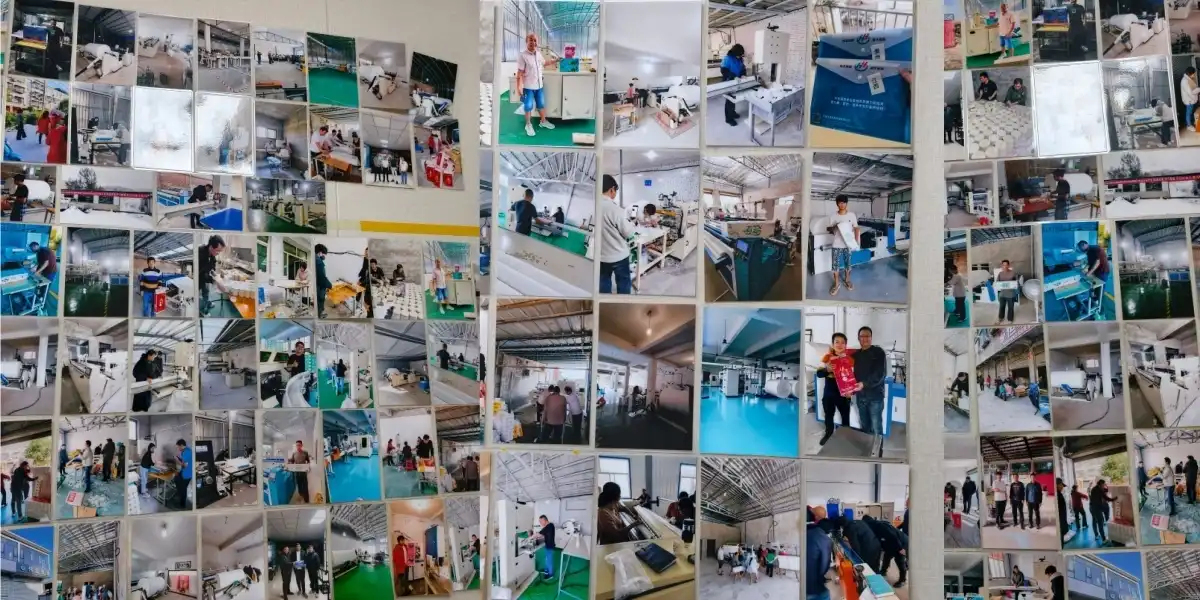
When you buy something from another country, it's best to follow this order: product needs and technical questions, review of quotes, plan approval, contract, manufacturing, plant testing, shipment, installation, and production start-up. Tell them about the container's size, how it will be shipped (FOB, CIF, or DAP), insurance, customs paperwork, taxes, and how it will be moved in their own country. Before you send it out, make sure you check the measurements, output, noise, shaking, folding, cutting, embossing, and safety features. A lot of people don't know how simple it is to set up. With just online help, step-by-step instructions, and video training, more than 95% of our clients are able to finish setting up. A professional visit is not needed for a normal setup, which can be pricey. We also give technical help for as long as the product is in use.
Avoiding Costly Mistakes Before You Buy
Common Buying Mistakes
The cheapest facial tissue paper machine doesn't always mean the cheapest way to make something. It costs a lot to have bad customer service, weak parts, a lot of waste, and extra parts that cost a lot. When people trust ideal speed, they also often make another mistake. Make sure you can sell the output in the sheet size, ply count, and folding style you choose. Also, buyers often forget to write down who is in charge of installation and testing. This can delay customer orders and make guarantee terms less clear. Don't forget to think about extra parts. Blades, belts, bearings, sensors, seals, relays, and pneumatic parts all get worn down over time. Not having to wait as long when you have a list of replacements on hand. When there is a full review by experts, there is less business risk and operational risk.
Check Your Factory Infrastructure
There needs to be enough floor space, a sound floor, and an easy way to get to the HY-1300. It's 6000 mm long, 2100 mm wide, and 1900 mm high. Before you buy, find out about the water, electricity, airflow, drains, ceiling height, and storage areas. The facial tissue paper machine needs a 4 KW main unit and air pressure above 4 kg/cm². Before you place your order, talk to our experts about the power and frequency in your area. You may want to get a voltage stabilizer if your grid changes. Power that isn't stable can be very hard on motors and PLC controls. We can go over these points again quickly if you send us pictures or a plan of how your workshop is set up.
Why a Complete Line Solution Can Be the Better Choice
The different parts of making paper, converting it, packing it, moving materials, and controlling it can get in the way of each other when you buy from a lot of different sources. When a full solution is built around a single set of product specs, volume goals, and plant layout, those risks are down. This is helpful for OEM and private-label makers who need to meet the needs of markets with different pack sizes, voltage types, and tissue grades. For changing tissues, we offer full production line solutions and plant setup that you can do all in one place. Facial tissue paper machines, toilet paper machines, napkin machines, and dish towel machines are all in our library. One partner can also help you plan for extra parts, do diagnostics from afar, and add support for new products as your line grows. If more people want to use it, you can add other tools that work with the HY-1300.
Conclusion
When its specs fit the buyer's goods, volume, and work conditions, a facial tissue paper machine works very well. There are lines in this word that change paper, make paper, and work together. If a factory buys jumbo rolls, they should have a converting machine. The HY-1300 can take 500 to 1000 sheets of paper per minute per row. It folds using pressure adsorption and has 4+4 stamping units that can work with different product sizes. Speed alone isn't a good way to measure efficiency; waste, energy use, downtime, and the amount of output that can be sold are also things that matter. To make smart choices, it's also important to get quotes from suppliers that are similar, get remote installation help, plan for spare parts, and check the floor space, power, and compressed air. As a business grows, these things affect both the price per pack and how quickly and easily it can add new items.
FAQ
1. Do I need a paper-making machine or only a converting machine?
If you buy big rolls from a mill, all you need is a facial tissue paper machine like the HY-1300. You only need a paper machine to make your own jumbo rolls.
2. What products can the HY-1300 make?
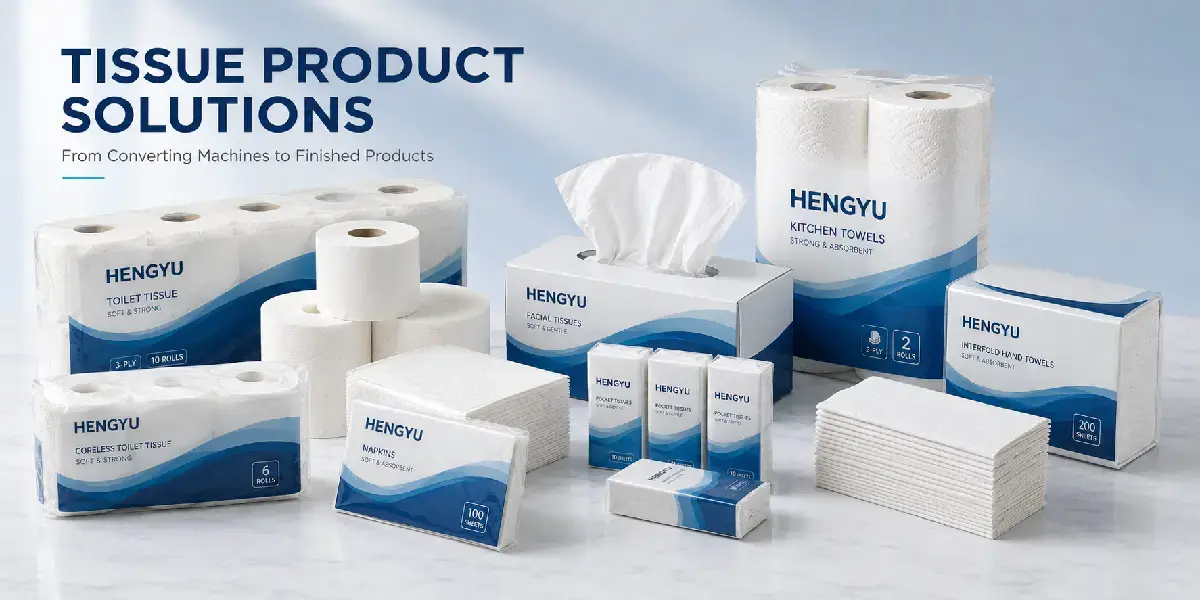
It makes boxed tissues as well as V-fold, N-fold, and soft-pack facial tissues. The 4+4 embossing units can be used with different designs, so one machine can serve both regular people and businesses.
3. Can I install it without a technician visit?
We give our customers step-by-step guidance and video training over the phone, and more than 95% of them finish the installation. Make sure you can get power and compressed air before you start.
4. What should I send for a quotation?
Send the type of product, sheet size, number of plies, folding style, embossing needs, goal capacity, plant location, voltage, and delivery date.
Request a HENGYU Facial Tissue Paper Machine Proposal
Are you ready to start planning your next factory? For more than 20 years, HENGYU has been making facial tissue paper machines. They will figure out the best way to set up your equipment based on your needs for product, voltage, and capacity. Write to hengyu@hytissuemachine.com to see all of their tools. The samples and video checks will be set up by our engineers, who will also be there to answer your questions.
References
1. ISO 22400-2: Automation Systems and Integration – Key Performance Indicators (KPIs) for Manufacturing Operations Management, 2014
2. ISO 50001: Energy Management Systems – Requirements with Guidance for Use, 2018
3. ISO 9001: Quality Management Systems – Requirements, 2015
4. ISO 12100: Safety of Machinery – General Principles for Design – Risk Assessment and Risk Reduction, 2010
5. Directive 2006/42/EC on Machinery, European Parliament and Council, 2006
6. Handbook of Pulp, Wiley-VCH, 2006.